Phytosphingosine: A Natural Skin-Identical Lipid for Advanced Barrier Repair
Phytosphingosine is a powerful, naturally occurring phospholipid and a critical component of the skin's outermost layer. In the world of high-end dermacosmetics, it is recognized as a skin-identical active ingredient that plays a vital role in maintaining the integrity of the stratum corneum. This sophisticated lipid is a precursor to ceramides, meaning it helps the skin naturally produce the essential "cement" that holds skin cells together. Its primary function is to reinforce the skin’s natural protective barrier, regulate moisture levels, and provide significant anti-inflammatory and antimicrobial benefits. As a versatile bioactive molecule, it is particularly effective for those formulating products aimed at sensitive, acne-prone, or aging skin, making it a staple in professional skincare laboratories worldwide.
Biological Properties and Skin Benefits
The effectiveness of Phytosphingosine lies in its multi-functional biological activity. Unlike many surface-level conditioners, this lipid works within the skin's structure to restore balance and health.
Key properties of this active ingredient include:
-
Barrier Restoration: It stimulates the synthesis of various ceramide types, effectively repairing a compromised skin barrier and reducing transepidermal water loss.
-
Potent Antimicrobial Activity: It possesses natural antibacterial and antifungal properties, specifically targeting Propionibacterium acnes, making it a gentle yet effective alternative for blemish-prone skin.
-
Anti-Inflammatory Effect: It significantly reduces skin redness and irritation by inhibiting the release of pro-inflammatory mediators, which is ideal for rosacea or eczema-prone skin.
-
Microbiome Balancing: By maintaining a healthy environment on the skin's surface, it helps support the beneficial microflora while suppressing harmful pathogens.
-
Photo-Aging Protection: It assists in protecting the skin from environmental stressors and UV-induced damage by strengthening the cellular resilience of the epidermis.
Variations of Application and Fields of Use
Phytosphingosine is an incredibly versatile ingredient used across various sectors of the beauty and health industry, providing targeted solutions for diverse skin concerns.
Advanced Facial Serums and Creams: It is a core ingredient in "barrier repair" moisturizers. It is used to treat chronically dry or dehydrated skin by restoring the lipid matrix. In anti-aging formulations, it helps maintain skin density and prevents the appearance of fine lines.
Acne and Blemish Control Treatments: Due to its antimicrobial nature, it is incorporated into spot treatments, clearing gels, and daily lotions for oily skin. It helps reduce breakouts without the irritation often associated with traditional acids or peroxides.
Sensitive and Atopic Skin Care: Because it is skin-identical, it is exceptionally well-tolerated. It is frequently found in medical-grade creams designed for atopic dermatitis, psoriasis, and post-procedure skin recovery (such as after chemical peels or laser treatments).
Scalp and Hair Care Formulations: Phytosphingosine is used in therapeutic shampoos and scalp serums to combat dandruff, soothe itchy scalps, and strengthen the hair follicle environment by maintaining scalp barrier health.
Sun Care and After-Sun Products: It is added to sunscreens and soothing after-sun balms to mitigate the inflammatory response caused by UV exposure and to help the skin recover its moisture balance quickly.
Pet Care and Veterinary Dermatology: Interestingly, this ingredient is also widely used in high-quality veterinary topical products to treat skin infections and allergic reactions in dogs and cats, showcasing its broad biological efficacy.
Recipe: Intensive Barrier Repair Face Cream
This professional-grade cream formulation utilizes Phytosphingosine to soothe irritation and rebuild the lipid layer of the skin.
Ingredients:
-
Sixty-eight milliliters Distilled Water (Aqueous Phase)
-
Fifteen milliliters Squalane or Jojoba Oil (Lipid Phase)
-
Five grams Glyceryl Stearate (Emulsifier)
-
Five milliliters Glycerin (Humectant)
-
Zero point two grams Phytosphingosine (Active Ingredient)
-
Five milliliters Niacinamide (Vitamin B3 / Synergistic Active)
-
One milliliter Broad Spectrum Preservative
-
Zero point eight milliliters Lactic Acid (to adjust pH to approximately 5.5)
Instructions for Preparation:
First Step — Preparation of the Water Phase: In a heat-resistant beaker, combine the Distilled Water and Glycerin. Heat this mixture on a water bath to approximately seventy degrees Celsius. Dissolve the Niacinamide into this warm water phase.
Second Step — Preparation of the Oil Phase: In a separate heat-resistant beaker, combine the Squalane and the Emulsifier. Heat this phase on the water bath until the emulsifier is completely melted and the temperature reaches seventy degrees Celsius.
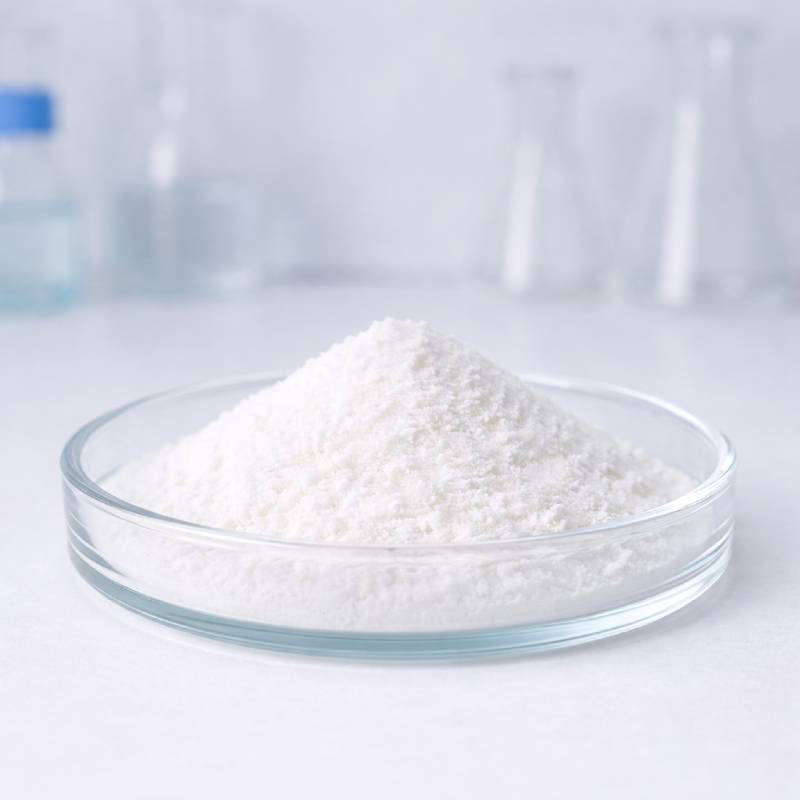
Third Step — Integrating the Phytosphingosine: Carefully add the Phytosphingosine powder into the hot oil phase. Stir gently until it is fully dispersed. This ensures the lipid-soluble active is properly incorporated into the cream's structure.
Fourth Step — Emulsification: While stirring the oil phase with a high-speed mini-mixer, slowly pour the hot water phase into the oil phase. Continue mixing for several minutes until a smooth, uniform white emulsion begins to form and thicken.
Fifth Step — Cooling and Finishing: Allow the emulsion to cool down to forty degrees Celsius while stirring occasionally. Once cooled, add the Preservative and the Lactic Acid. The Lactic Acid is essential to bring the pH to a skin-friendly level, which optimizes the activity of the lipids.
Sixth Step — Final Stabilization: Mix thoroughly one last time and transfer the cream into a sterile airless dispenser or jar. Allow the product to set completely for twelve hours before the first use.
Recommendations for Application:
-
Usage Concentration: For effective results, Phytosphingosine is typically used at low concentrations ranging from zero point zero five percent to zero point two percent.
-
pH Level: Ensure the final product has a pH between 5.0 and 6.0, as this is the optimal environment for skin-identical lipids to integrate into the epidermis.
-
Synergy: This ingredient works exceptionally well when combined with Ceramides, Cholesterol, and Fatty Acids to create a complete "MLE" (Multi-Lamellar Emulsion) structure.
-
Storage: Store the pure ingredient in a cool, dry place away from light. The finished cream should be kept at room temperature and used within six months if properly preserved.