Phytosphingosine: A Powerful Skin-Identical Lipid for Barrier Repair and Acne Care
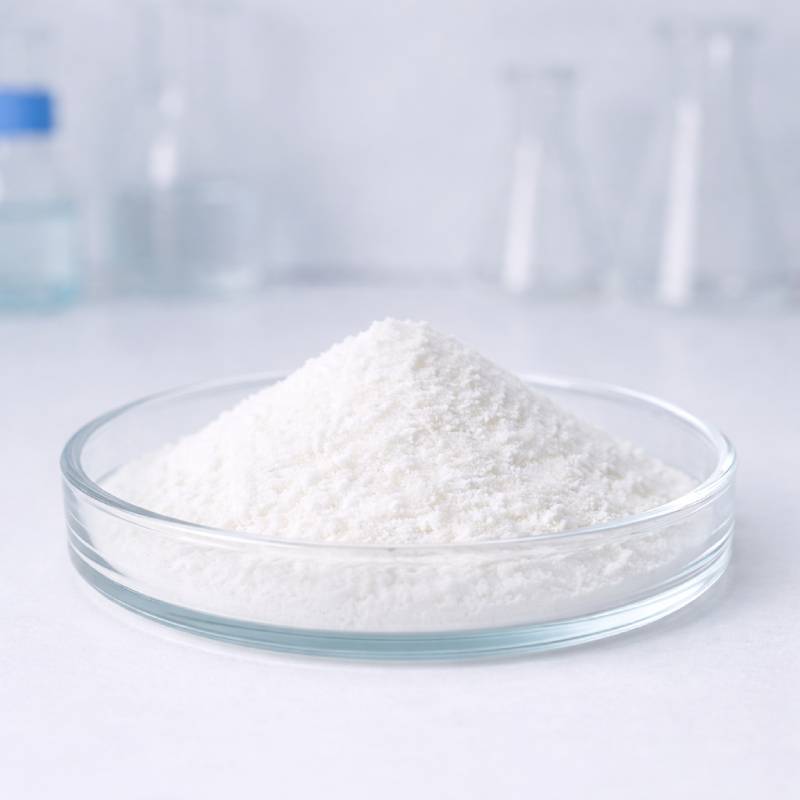
Phytosphingosine is a naturally occurring phospholipid and a critical component of the skin's outermost layer, the stratum corneum. As a precursor to ceramides, this potent active ingredient plays a foundational role in maintaining the structural integrity of the skin barrier. In the world of high-end cosmeceuticals, Phytosphingosine is celebrated for its dual-action capability: it effectively strengthens the skin's defense system while exhibiting natural antimicrobial and anti-inflammatory properties. This makes it an indispensable asset for formulating products targeting sensitive, damaged, or acne-prone skin. Its biological compatibility ensures that it integrates seamlessly into the skin's lipid matrix, promoting long-term health and resilience.
Scientific Benefits and Skin Transformations
The inclusion of Phytosphingosine in cosmetic formulations offers a wide range of clinically recognized benefits. By acting as a signaling lipid, it encourages the skin to produce more of its own ceramides, leading to a naturally hydrated and robust complexion.
The primary advantages of this ingredient include:
-
Barrier Restoration: It fills the gaps in the intercellular lipid matrix, preventing trans-epidermal water loss and protecting against environmental pollutants.
-
Potent Anti-Acne Activity: It naturally inhibits the growth of bacteria associated with acne, such as Propionibacterium acnes, without the irritation often caused by harsh chemical treatments.
-
Inflammation Reduction: It effectively soothes redness and calms irritated skin by inhibiting the release of pro-inflammatory cytokines.
-
Anti-Aging Support: By maintaining a healthy barrier and reducing chronic micro-inflammation, it helps preserve the skin's collagen structure and elasticity.
-
Microbiome Balance: It supports a healthy skin flora, which is essential for preventing conditions like dermatitis and rosacea.
Diverse Applications and Usage Areas
Phytosphingosine is a versatile active that can be incorporated into various skincare categories, serving customers globally through our specialized online store.
Therapeutic Facial Creams: It is a staple in "Cica" creams and barrier-repair moisturizers designed for post-procedure recovery or for those with chronically dry and compromised skin.
Acne Treatment Serums: Due to its antimicrobial nature, it is used in concentrated serums to target breakouts while simultaneously healing the skin, preventing the dryness typically associated with acne care.
Anti-Pollution Skincare: Formulated into day creams and city-defense sprays to create a biological shield against heavy metals and urban particulate matter.
Sensitive Scalp Solutions: Incorporated into professional shampoos and scalp treatments to reduce itching, flaking, and inflammation associated with seborrheic dermatitis.
Anti-Aging Formulations: Used in night treatments to support the skin's natural repair cycle and boost ceramide synthesis during sleep.
Body Care for Atopic Skin: Added to specialized body lotions and balms for those suffering from eczema or extreme sensitivity, providing immediate relief and long-term barrier support.
Recipe: Advanced Barrier Repair Serum with Phytosphingosine
Create a professional-grade, lipid-restoring serum designed to calm redness and rebuild the skin's natural protective layer.
Ingredients:
-
Eighty-five milliliters Distilled Water or Aloe Vera Juice (Base)
-
Five milliliters Niacinamide Vitamin B3 (Synergistic Active)
-
Five milliliters Squalane (Skin-Compatible Emollient)
-
Two milliliters Glycerin (Humectant)
-
Zero point five grams Phytosphingosine (Active Lipid)
-
One point five grams Lecithin or specialized emulsifier (to stabilize lipids)
-
One milliliter Broad-spectrum Preservative
Instructions for Preparation:
First Step — Preparing the Water Phase: In a clean glass beaker, combine the Distilled Water and Glycerin. Heat the mixture gently to approximately sixty degrees Celsius. Add the Niacinamide and stir until the powder is completely dissolved.
Second Step — Preparing the Lipid Phase: In a separate container, combine the Squalane and the Phytosphingosine. Heat this mixture to the same temperature of sixty degrees Celsius, stirring until the lipid is fully integrated into the oil.
Third Step — Emulsification: Add the Lecithin to the oil phase. Slowly pour the water phase into the oil phase while mixing at a high speed with a mini-mixer or homogenizer. Continue mixing until a stable, milky emulsion forms.
Fourth Step — Cooling and Activation: Allow the serum to cool down to room temperature (approximately thirty-five degrees Celsius). Once cooled, add the Preservative.
Fifth Step — Final Homogenization: Perform a final brief stir to ensure all components are perfectly distributed. Transfer the serum into a dark glass bottle with a pipette or pump.
Recommendations for Application and Storage:
-
Usage Concentration: For effective results, Phytosphingosine is typically used at low concentrations ranging from zero point zero five percent to zero point five percent.
-
Synergy: This ingredient works exceptionally well when combined with Ceramides, Cholesterol, and Fatty Acids to mimic the skin's natural lipid ratio.
-
Application: Apply a few drops to a clean face morning and evening before your main moisturizer.
-
Storage: Keep the raw material and the finished product in a cool, dark place. Avoid direct sunlight as lipids can be sensitive to oxidation over time.
-
pH Level: Maintain the final product at a skin-neutral pH of approximately five point five for optimal stability and efficacy.