-
 Absolutes
-
 Active Complexes
-
 Actives & Peptides
-
 Amino Acids & Proteins
-
 Food Flavors
-
 Ayurvedic Ingredients & Herbs
-
 Vitamins & Coenzymes
-
 Chocolate Making Supplies
-
 Thickeners & Gelling Agents
-
 Hydrosols & Floral Waters
-
 Hydrolyzed Proteins
-
 Fragrance Ingredients
-
 Nutraceutical Ingredients
-
 Acids, Salts, Alcohols & Alkalis
-
 Preservatives & Antioxidants
-
 Cosmetic Ingredients
-
 Colorants, Micas & Glitters
-
 Masks, Scrubs & Botanicals
-
 Oils & Butters
-
 Candle Making Supplies
-
 Melt and Pour Soap Bases
-
 Cream, Lotion & Hair Care Bases
-
 Fragrance Oils & Industrial Aromatics
-
 Cleansing Agents & Surfactants
-
 Peeling Actives & Acids
-
 Cosmetic Powders
-
 Solvents & Humectants
-
 Silicones & Conditioning Agents
-
 Bottles, Jars & Vials
-
 Silicone & Plastic Molds, Tools
-
 Botanical Extracts
-
 Cosmetic Emollients
-
 Emulsifiers
-
 Essential Oils
- Absolutes 55
- Active Complexes 265
- Actives & Peptides 4839
- Amino Acids & Proteins 71
- Food Flavors 2097
- Ayurvedic Ingredients & Herbs 220
- Vitamins & Coenzymes 108
- Chocolate Making Supplies 109
- Thickeners & Gelling Agents 101
- Hydrosols & Floral Waters 139
- Hydrolyzed Proteins 87
- Fragrance Ingredients 44
- Nutraceutical Ingredients 797
- Acids, Salts, Alcohols & Alkalis 112
- Preservatives & Antioxidants 132
- Cosmetic Ingredients 8491
- Colorants, Micas & Glitters 1423
- Masks, Scrubs & Botanicals 1259
- Oils & Butters 1711
- Candle Making Supplies 542
- Melt and Pour Soap Bases 341
- Cream, Lotion & Hair Care Bases 89
- Fragrance Oils & Industrial Aromatics 6527
- Cleansing Agents & Surfactants 140
- Peeling Actives & Acids 57
- Cosmetic Powders 325
- Solvents & Humectants 37
- Silicones & Conditioning Agents 91
- Bottles, Jars & Vials 3927
- Silicone & Plastic Molds, Tools 6076
- Botanical Extracts 3614
- Cosmetic Emollients 108
- Emulsifiers 304
- Essential Oils 606


Preservatives & Antioxidants
 Add to cart
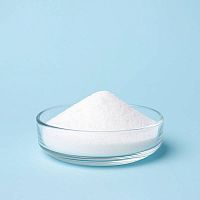
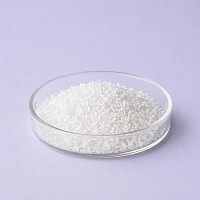
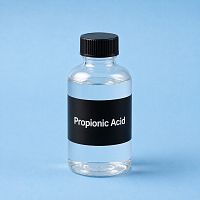
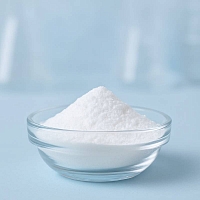
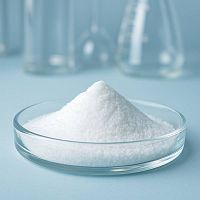
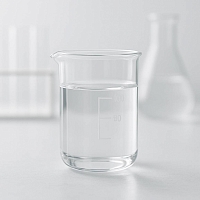
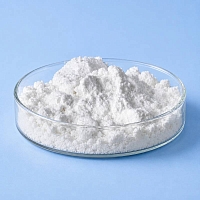
Two different jobs people often confuse
Preservation and oxidation protection sound similar but tackle two separate problems. This section covers preservatives, antioxidants and supporting stabilisers, the raw materials that keep a cosmetic formula from spoiling and from breaking down chemically over time.
Sections that seem unrelated at first, such as Face Masks, Scrubs, and Dried Flowers, often need a preservative too, the moment water enters a recipe.
Not every preservative works the same way
Potassium sorbate only performs within a specific pH range, so it does not suit every formula. Benzyl alcohol has a wider working range and is often paired with other preservatives to broaden overall protection.
Antioxidants sit in a different category entirely: tocopherol protects the oil phase from going rancid, a completely different task from protecting the water phase from bacteria. Thymol adds an antiseptic effect on top, while glycerin and anhydrous lanolin are not preservatives themselves but often sit in the same recipes and affect overall stability.
What actually drives the choice
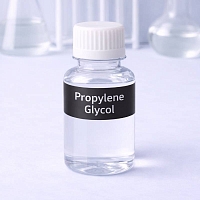
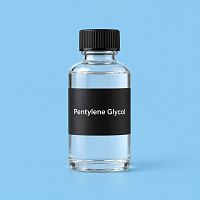
The pH of a finished formula, its water content, and the intended shelf life together determine which preservative fits. These materials pair well with emulsifiers from the Dyes, Pearlescents, and Glitters section, and propylene glycol commonly acts as a solvent for a preservative before it goes into a formula.
Storage and packaging notes
Preservatives and antioxidants ship from China, Germany, France, Italy, the United States, Israel, India and Poland. Many are sensitive to light and heat, so store them in tightly sealed containers in a cool place. Finished product packaging is covered in the Molds, Packaging, Tools section.
A mistake beginners often make is adjusting preservative concentration by eye, based on experience with a different recipe. Every new formula deserves its own test, since even a small shift in pH or water content changes the effective concentration needed.
A trial batch costs far less than reworking an entire production run with an unstable formula later.
Some preservatives also lose part of their effectiveness after months of storage before they are even added to a formula, so it helps to check the raw material shelf life on arrival, not just the finished product shelf life.
This is a quick check that takes only a few minutes but guards against far larger losses down the line, especially for large production batches with a long sales cycle.
Worth building into a standard intake checklist for every new preservative batch.
FAQ
Is a preservative really necessary in any water based formula
Yes, without one a water based formula loses microbial safety within a few weeks of storage, even if nothing looks different on the surface.
How does an antioxidant differ from a preservative
A preservative protects against microbial growth in the water phase, while an antioxidant such as tocopherol protects the oil phase from going rancid, these are different jobs.
Can several preservatives be combined in one formula
Yes, combining benzyl alcohol with other preservatives is a common practice for broadening the overall protection of a formula.
Are COA and SDS documents available for preservatives
Yes, COA, SDS and MSDS documents are available on request, particularly for larger orders.
Recommendations
Check a preservative's effective pH range in advance, before a formula is already finished, not after. Mylo Opt has supplied preservatives and antioxidants for cosmetics for over twelve years. Place your order by email with the items you need.