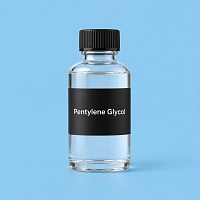
What Pentylene Glycol represents
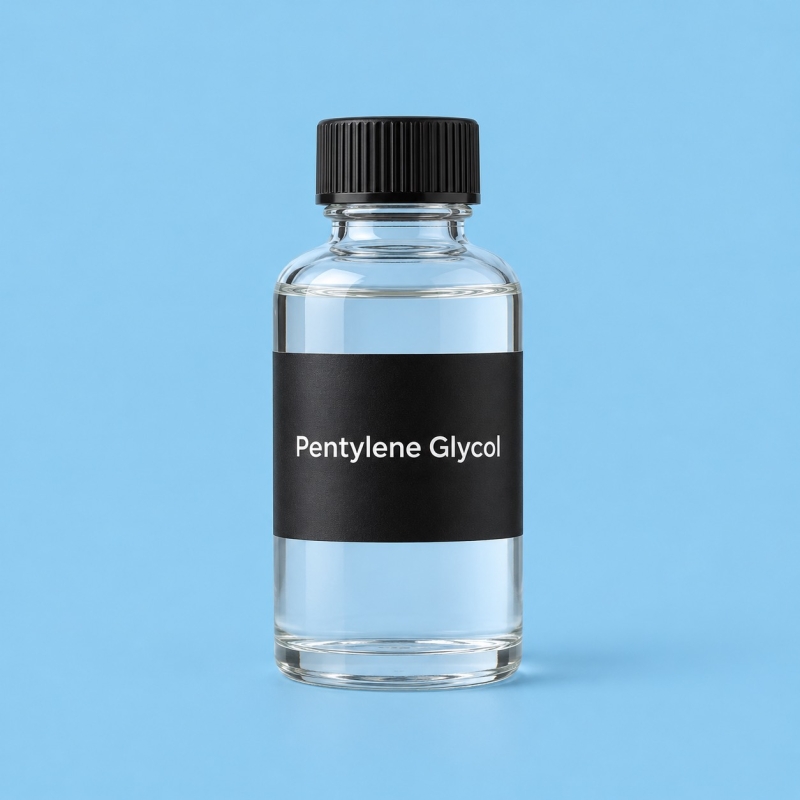
Pentylene Glycol 20 ml is a multifunctional cosmetic ingredient supplied as a clear liquid. It serves as a humectant, solvent and auxiliary component that supports preservative systems in water based formulas. The product carries the INCI name Pentylene Glycol and shows solubility in water across a pH range of 2.0 to 11.0. It originates from vegetable sources and is presented in a 20 ml transport container with an expiry date of 08.2028.
Key properties
This ingredient delivers prolonged skin hydration comparable to glycerin while producing a light non sticky feel. At a 2 percent level the hydration factor rises by 25 percent; when combined with 2 percent glycerin the factor increases by 36 percent. It functions effectively as a solvent for selected plant extracts and functional additives and helps reduce the required concentration of traditional preservatives when used together with them.
Where the ingredient finds use
Formulators employ Pentylene Glycol 20 ml in serums, creams, gels, masks and body products to maintain moisture and improve texture. It pairs well with glycerin, betaine, panthenol and sodium hyaluronate. For dry skin formulas it combines with ceramides and squalane to support the lipid barrier. The same component assists in hair care products and scalp care formulas by aiding even distribution of water soluble actives. See related options in the vegetarian actives section when building compliant formulas.
How to introduce it
The recommended input level lies between 1 and 5 percent, with 2 percent used most often. Add the ingredient to the water phase at room temperature or during the cooling stage. Stir until fully homogeneous. After addition check pH, clarity, viscosity and stability of the finished batch. Avoid eye contact and do not exceed the stated dosage to prevent the opposite effect.
Compatibility and technical notes
Pentylene Glycol 20 ml works alongside phenoxyethanol, ethylhexylglycerin and organic acids. It improves preservative performance yet must be validated through microbiological testing for each new formula, especially when hydrosols or plant extracts are present. In transparent gels monitor changes in viscosity caused by interactions with carbomer or xanthan gum. Storage requires a cool dark place in a tightly closed container. Explore further humectants in the hyaluronic acid section to build layered moisture systems and check the full actives catalog for complementary ingredients.
Sample serum recipe
Prepare a 100 ml light facial serum by first weighing 92 ml distilled water and 2 g Pentylene Glycol into a clean beaker. Add 3 g glycerin and 1 g panthenol. Stir at room temperature until clear. Separately disperse 0.5 g sodium hyaluronate in 1.5 ml water, allow it to swell, then combine both phases. Adjust pH if necessary and add 0.5 ml phenoxyethanol. The finished product remains stable when stored in a cool dark place.
FAQ
Is Pentylene Glycol suitable for transparent gels?
Yes, it dissolves readily in water and supports clarity when introduced at recommended levels, provided other components do not cause turbidity.
Can it replace a full preservative system?
No, it acts only as a booster and every finished formula requires separate microbiological challenge testing.
At what temperature should it be added?
It tolerates both cold and heated processes and can enter the water phase at room temperature or during cooling.
Does it leave a sticky after feel?
At typical 2 percent usage it produces a light non greasy sensation and pairs well with other humectants to further reduce stickiness.