-
 Absolutes
-
 Active Complexes
-
 Actives & Peptides
-
 Amino Acids & Proteins
-
 Food Flavors
-
 Ayurvedic Ingredients & Herbs
-
 Vitamins & Coenzymes
-
 Chocolate Making Supplies
-
 Thickeners & Gelling Agents
-
 Hydrosols & Floral Waters
-
 Hydrolyzed Proteins
-
 Fragrance Ingredients
-
 Nutraceutical Ingredients
-
 Acids, Salts, Alcohols & Alkalis
-
 Preservatives & Antioxidants
-
 Cosmetic Ingredients
-
 Colorants, Micas & Glitters
-
 Masks, Scrubs & Botanicals
-
 Oils & Butters
-
 Candle Making Supplies
-
 Melt and Pour Soap Bases
-
 Cream, Lotion & Hair Care Bases
-
 Fragrance Oils & Industrial Aromatics
-
 Cleansing Agents & Surfactants
-
 Peeling Actives & Acids
-
 Cosmetic Powders
-
 Solvents & Humectants
-
 Silicones & Conditioning Agents
-
 Bottles, Jars & Vials
-
 Silicone & Plastic Molds, Tools
-
 Botanical Extracts
-
 Cosmetic Emollients
-
 Emulsifiers
-
 Essential Oils
- Silicone geometric molds 11
- Wooden molds for soap 9
- Fondant Tools 9
- Compound for molds 35
- Metal baking molds 27
- World of Forms 286
- Silicone Molds 72
- Plastic chocolate molds 128
- Plungers and Cutters 40
- Silicone Portion Molds 20
- Silicone 3D Molds 712
- Silicone Baking Molds 36
- Silicone soap loaf molds 6
- Bath bomb molds 13
- Candy Molds 118
- Plastic soap molds 274
- Candle Molds 51
- Silicone 3D Luxury Molds 711
- Silicone forms 241
- Silicone mold trays for baking 218
- Soap stamps 38
- Plastic soap molds wholesale 9
- Paper baking molds 22
- Cookie cutters and gingerbread molds 61
- Mousse cake and dessert molds 8
- Cheese molds 5


Metal baking molds

 Add to cart


 Subscribe


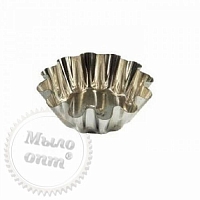


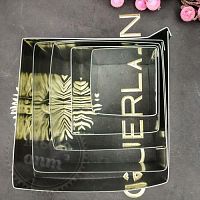
Sturdy tinware shapes for candles soap and treats
Metal baking molds are heat resistant tin and steel shapes originally designed for oven use but widely adopted as reusable forms for pouring hot mixtures. This section covers loaf pans, muffin trays, mini shapes and decorative tins that hold their form under high temperatures and repeated use. They suit anyone who needs a durable mold that will not warp, melt or deform when filled with something hot.
Because these molds handle heat so well, they are chosen for candle pouring, small batch soap making, chocolate work and traditional baking alike, giving each finished piece crisp lines and an even surface. If a project calls for a flexible alternative instead, workshops often turn to plastic soap molds for easier release, or bath bomb molds for pressed round shapes that need firm compression instead of heat resistance.
Metal shapes are also valued for their long service life, since a well kept tin mold can be reused for years without losing its structure, unlike thinner disposable options.
Shapes, sizes and finish differences
Within this group you will find deep loaf pans for slab style blocks, individual muffin cups for single servings, and shallow decorative tins stamped with ridges or panels for a finished look straight out of the mold. Some pieces are plain and utilitarian, meant purely for volume and easy release, while others carry raised patterns that transfer detail onto the top surface of whatever is poured inside.
Thickness of the metal is another point of difference. Heavier gauge tins keep their shape through years of repeated heating and cooling, while thinner disposable style trays are better suited to a single project or short term use. Depth also varies widely, from tall bread style loaves to shallow trays meant for thin, flat pieces that need to set quickly.
Choosing the right mold and pairing it with your project
Start with the pouring temperature and total volume of your batch, since a mold that suits a small test pour will not necessarily handle a full production run. For anyone working with silicone as their main material instead, browsing silicone forms or the wider range of silicone molds gives a flexible release option that pairs well with more delicate embellishments.
Detail work benefits from dedicated tools rather than the tin itself. Fine edges and lettering are usually finished with plungers and cutters, while sculpted decorative elements are often shaped separately using fondant tools before being placed on top of a poured block. If your workflow includes wax based projects specifically, dedicated candle molds are worth comparing for their heat handling at a narrower diameter.
For batches that need uniform single servings rather than one large block, silicone portion molds offer a consistent alternative shape, and more elaborate finished pieces sometimes call for the fine relief found in silicone 3D luxury molds.
Care, storage and reuse
These tins hold up best when dried fully before storage, since leftover moisture on bare metal invites rust over time. Stacking smaller trays inside a larger loaf pan saves shelf space and keeps edges from bending during storage between projects.
A well kept tin mold can go through dozens of pour and release cycles without warping, which is the main reason workshops keep a rotation of both metal and silicone baking molds on hand for different stages of a project. Avoid abrasive scrubbing on patterned surfaces, since fine raised details wear down faster than flat panels.
FAQ
Are metal baking molds safe for pouring hot wax or melted soap base
Yes, tin and steel molds are built to handle sustained heat, which is why they hold up well under hot wax, melted chocolate or soap base. Just avoid extreme temperature shocks, such as moving a hot mold straight into a freezer, since rapid changes can warp thin tin over time.
What is the difference between metal molds and plastic or silicone shapes
Metal molds resist high heat and give sharp, defined edges, but they lack the flexibility of silicone or plastic, so releasing finished pieces takes more care. Plastic and silicone options flex for easier release and work better for lower temperature pours or intricate detail.
How do you clean and store tin molds between uses
Wash with warm water and mild soap, dry thoroughly to prevent rust, and store in a dry place away from moisture. Stacking with a thin liner between pans helps prevent scratches and keeps the surface smooth for future pours.
Can one mold be used for both candles and food style projects
Many workshops rotate the same tin shapes between candle pouring, soap blocks and baking, since the material tolerates repeated heat cycles well. Keeping separate molds for fragranced projects versus food is still a good practice to avoid scent transfer.
What sizes are typically available in this category
The range includes deep loaf pans for slab style blocks, individual muffin cups for single portions, and smaller decorative tins for detailed shapes. Sizing varies by supplier batch, so checking exact dimensions before ordering helps match a mold to a specific project volume.
Recommendations
When picking a metal mold, match the depth and shape to your pour volume and match the finish to how easily you need the piece to release. Thicker gauge tin holds its shape longer under repeated heat, while thinner pans suit lighter, occasional use. Reach out by email with your project details and preferred sizes, and we will help you find a batch that fits your production schedule.



