-
 Absolutes
-
 Active Complexes
-
 Actives & Peptides
-
 Amino Acids & Proteins
-
 Food Flavors
-
 Ayurvedic Ingredients & Herbs
-
 Vitamins & Coenzymes
-
 Chocolate Making Supplies
-
 Thickeners & Gelling Agents
-
 Hydrosols & Floral Waters
-
 Hydrolyzed Proteins
-
 Fragrance Ingredients
-
 Nutraceutical Ingredients
-
 Acids, Salts, Alcohols & Alkalis
-
 Preservatives & Antioxidants
-
 Cosmetic Ingredients
-
 Colorants, Micas & Glitters
-
 Masks, Scrubs & Botanicals
-
 Oils & Butters
-
 Candle Making Supplies
-
 Melt and Pour Soap Bases
-
 Cream, Lotion & Hair Care Bases
-
 Fragrance Oils & Industrial Aromatics
-
 Cleansing Agents & Surfactants
-
 Peeling Actives & Acids
-
 Cosmetic Powders
-
 Solvents & Humectants
-
 Silicones & Conditioning Agents
-
 Bottles, Jars & Vials
-
 Silicone & Plastic Molds, Tools
-
 Botanical Extracts
-
 Cosmetic Emollients
-
 Emulsifiers
-
 Essential Oils
- Absolutes Wholesale 87
- Active Complexes for Cosmetics Wholesale 388
- Amino Acids & Proteins Wholesale 90
- Antioxidants Wholesale 293
- Ayurvedic Powders Wholesale 273
- Biocides Wholesale 16
- Thickeners and Gelling Agents in Bulk 112
- Bulk Hydrosols for Cosmetics 10
- Hydrocolloids in Bulk 5
- Hydrolyzed Proteins Wholesale 106
- Aromatic Fragrant Waters Wholesale 27
- Fragrance Ingredients Bulk 168
- Preservatives & Antioxidants Wholesale 157
- Corneotherapy Wholesale 10
- Cosmetic Clay Wholesale 14
- Neutralizers/pH Correctors Wholesale 17
- Surfactants Wholesale 144
- Cosmetic Peelings Wholesale 77
- Cosmetic Powders Wholesale 403
- Silicones and Conditioning Surfactants for Hair Wholesale 116
- Resins and Resinoids Wholesale 17
- UV and SPF Filters Wholesale 84
- Cosmetic Emollients Wholesale 132
- Emulsifiers Wholesale 328
- Enzymes, Filtrates and Lysates in Bulk 35


Aromatic Fragrant Waters Wholesale
 Add to cart




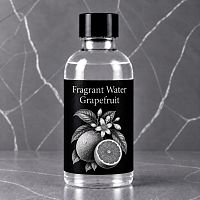

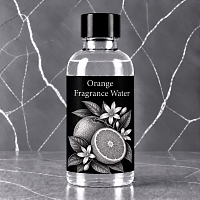
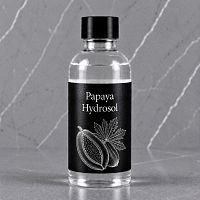
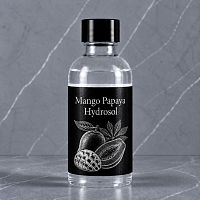
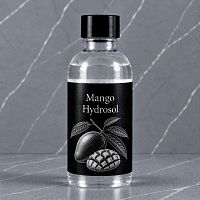
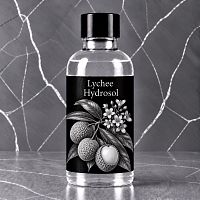
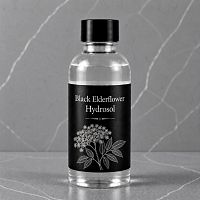
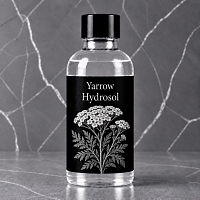
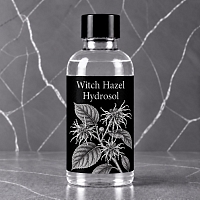
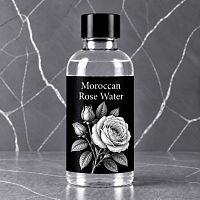
Distilled plant waters for skin and hair formulas
Aromatic fragrant waters are gentle byproducts of steam distillation, carrying trace amounts of plant volatiles and a soft natural scent without the concentration of a true essential oil. They work as a light aqueous base or additive in a wide range of cosmetic formulas, offering hydration, subtle fragrance and mild functional benefits depending on the plant source used. This section covers a selection of these waters supplied for professional and small batch cosmetic production.
In formulation, these waters commonly replace or supplement part of the water phase in creams, lotions and emulsions, giving the finished product a lighter, more natural aromatic profile. They are also popular as standalone facial toners and setting mists, as a diluent for active concentrates, and as a base liquid in hair rinses and leave in sprays. Because their aromatic load is far gentler than essential oils, they pair well with preservative systems and emulsifiers already used in a formula, such as those found in our Preservatives and Antioxidants Wholesale and Emulsifiers Wholesale ranges, making them easy to slot into an existing production line.
Range of scents and how they differ
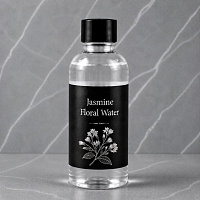
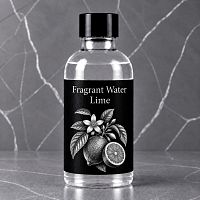
The lineup includes waters distilled from citrus peels, herbs and spice plants, each carrying a distinct olfactory character and a slightly different mineral and phytochemical trace left over from distillation. Scented water Lemon 1 L and Fragrant water Grapefruit 1 L bring a bright citrus top note and are often chosen for fresh, uplifting toners, while Lime scented water 1 L offers a sharper, greener citrus profile that reads differently on the skin.
Herbal options shift the character further. Mint Floral Water 1 L has a cool, crisp edge that suits cooling mists and hair rinses, whereas Lavender Floral Water 1 L carries a soft, rounded floral tone favored in calming facial formulas. Palmarosa Floral Water 1 L adds a rosy, slightly green nuance, and Cinnamon Floral Water 1 L stands apart with a warmer, spiced note that formulators use more sparingly given its stronger character.
Choosing a water and building a formula around it
The main criteria when picking a floral water are the scent profile needed for the finished product, how it will interact with other aromatic materials already in the recipe, and the proportion of the water phase it will occupy. A citrus or mint water works well as the bulk of a toner base, while a spice note like cinnamon is better suited to smaller additions within a blended fragrance system.
These waters are formulated alongside thickeners, humectants and skin conditioning agents, and they also combine naturally with mineral powders such as those in our Cosmetic Clay Wholesale range when building clay based masks that need a light aromatic liquid to bind the powder into a paste. Because the scent load is mild, formulators can layer a floral water with a small amount of essential oil to reinforce fragrance without overwhelming the base.
Origin and storage
Waters in this section are sourced from suppliers in Bulgaria, France and Poland, reflecting established distillation regions for the respective plant material. Each is supplied in a 1 liter format suited to both small workshop batches and larger production runs.
Because these are water based products with only trace volatile content, they should be stored in a cool, dark place away from direct heat and light to preserve their scent profile, and used within a reasonable timeframe once opened to maintain consistency across production batches.
FAQ
What is the difference between a fragrant water and an essential oil
Fragrant waters are the aqueous byproduct of steam distillation and carry only trace amounts of plant volatiles, giving a soft scent and light functional benefits. Essential oils are the concentrated oil phase, far stronger and used in much smaller doses within a formula.
Can these waters replace the water phase in a cream or lotion
Yes, they can replace part or all of the water phase in creams, lotions and emulsions, adding a gentle aroma and mild plant derived benefits while keeping the formula light. Compatibility with your emulsifier and preservative system should still be checked.
How should fragrant waters be stored before use
Keep containers tightly closed, away from direct light and heat, and use clean tools when decanting to avoid contamination. Once opened, plan to use the water within a reasonable production cycle rather than storing it for long periods.
Are fragrant waters suitable for leave in sprays and toners
Yes, their light aromatic profile and high water content make them a popular base for facial toners, setting mists, hair rinses and leave in sprays, either used alone or blended with actives and humectants.
Recommendations
When choosing a fragrant water for a specific formula, match the plant source to the sensory profile and function you need, then check how it performs alongside your existing emulsifiers and preservative system in a small trial batch before scaling up. Pay attention to batch consistency if you run repeat production. For sourcing details or a specific plant origin, reach out to our team by email and we will help you select the right option for your line.



