-
 Absolutes
-
 Active Complexes
-
 Actives & Peptides
-
 Amino Acids & Proteins
-
 Food Flavors
-
 Ayurvedic Ingredients & Herbs
-
 Vitamins & Coenzymes
-
 Chocolate Making Supplies
-
 Thickeners & Gelling Agents
-
 Hydrosols & Floral Waters
-
 Hydrolyzed Proteins
-
 Fragrance Ingredients
-
 Nutraceutical Ingredients
-
 Acids, Salts, Alcohols & Alkalis
-
 Preservatives & Antioxidants
-
 Cosmetic Ingredients
-
 Colorants, Micas & Glitters
-
 Masks, Scrubs & Botanicals
-
 Oils & Butters
-
 Candle Making Supplies
-
 Melt and Pour Soap Bases
-
 Cream, Lotion & Hair Care Bases
-
 Fragrance Oils & Industrial Aromatics
-
 Cleansing Agents & Surfactants
-
 Peeling Actives & Acids
-
 Cosmetic Powders
-
 Solvents & Humectants
-
 Silicones & Conditioning Agents
-
 Bottles, Jars & Vials
-
 Silicone & Plastic Molds, Tools
-
 Botanical Extracts
-
 Cosmetic Emollients
-
 Emulsifiers
-
 Essential Oils
- Antioxidants 122
- Biocides 12
- Hydrosols (Hydrolates) 11
- Hydrocolloids for Cosmetics 10
- Others 70
- Fragrant Waters for Cosmetics 26
- Mineral Cosmetic Ingredient 194
- Functional Components 5137
- Corneotherapy 17
- Liposomes for Cosmetics 21
- Minerals 76
- pH Neutralizers/Correctors 20
- Resins and Resinoids 17
- UV and SPF Filters for Cosmetics 95
- Fruit Powders 15
- Chemical Raw Materials 155
- Enzymes, Filtrates, and Lysates 26
- Cargill France SAS – Oils and Actives 10
- BASF Cognis Care Chemicals 12
- Vitamins & Coenzymes Wholesale 156
- Bulk Waxes for Cosmetics 61
- Others Wholesale 89
- Acids, Salts, Alcohols & Alkalis Wholesale 136
- Cosmetic Ingredients Wholesale 2549
- Food grade raw materials wholesale 13
- Fruit Powders in Bulk 23
- Antioxidants bulk 1
- Acids and Alkalis Wholesale 17
- Preservatives Bulk 5
- Bulk Surfactants 3
- Emulsifiers Bulk 14
- Hydrosols Bulk 210


Minerals

 Add to cart


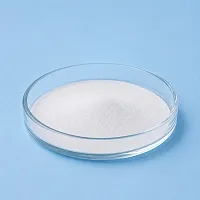


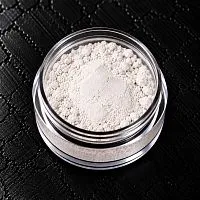
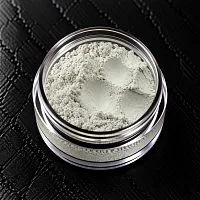
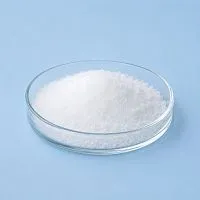


Mineral raw materials for texture, color and function in formulas
This section brings together mineral ingredients used across cosmetic manufacturing, including clays, mica, kaolin, talc, iron oxides and other inorganic powders sourced for their absorbent, tinting, mattifying or texturizing properties. Each mineral behaves differently depending on particle size and purity, which is why formulators select them for distinct roles rather than a single fixed use.
In practice these minerals show up across a wide range of formats: facial masks, pressed and loose powders, cream and lotion bases, exfoliating pastes, color cosmetics, and bar or liquid cleansers. A clay valued for oil absorption in one formula might serve as a mild mechanical exfoliant in another, while mica and iron oxides are more often chosen for their optical and tinting behavior rather than skin action. For formulators building out a broader ingredient list, the Functional Components section covers complementary actives, and the full Cosmetic Ingredients Wholesale catalog gives context on how minerals fit alongside other raw material categories.
Zinc oxide, titanium dioxide and abrasive powders
Within this mineral group, several families cover very different jobs. Zinc oxide is chosen for its skin-soothing and mild antimicrobial behavior in creams and barrier formulas, and it comes in more than one grade, from a pharmaceutical Zinc Oxide Pharma Netherlands 50 g down to a smaller Zinc Oxide Pharma Netherlands 20 g pack for smaller batches. A standard Zinc Oxide 50 g option and a cosmetic-grade Zinc Oxide (AROMA-ZONE) 10 g give formulators room to test a smaller quantity before scaling up.
Titanium dioxide plays a different role, mainly as a whitening and opacifying pigment in creams, lotions and color cosmetics rather than a skin-care active. The Water-dispersible titanium dioxide 10 g variant is built to blend into water-based systems without the clumping that plain powder grades can show, which matters for lotions, milks and light emulsions. Pumice powder sits apart from both as a purely mechanical abrasive, sold as Pumice Powder 100 g for larger production runs or Pumice Powder 10 g for trial batches, and it is used for texture and physical exfoliation rather than any tinting or coverage effect.
Choosing a grade and pairing it in a formula
The right choice depends on the job the mineral needs to do, not just the category label. For opacity and pigment work, particle size and dispersibility matter most, which is why a water-dispersible titanium dioxide behaves so differently from a standard powder grade in the same formula. For zinc oxide, the grade and pack size should match whether the batch is a small test run or a production-scale mix.
These minerals rarely work alone. Zinc oxide and titanium dioxide are often balanced against oils, emulsifiers and thickeners elsewhere in a formula to control final texture and spreadability, while an abrasive like pumice is paired with softer bases so the finished product is not overly harsh on skin. Formulators sourcing wax-based structuring agents alongside these minerals can find complementary raw materials in the Bulk Waxes for Cosmetics section.
Origins and storage
Mineral raw materials in this catalog are sourced from a range of countries, including the Netherlands, Peru, the United States, France, Egypt, Germany, China and India, depending on the specific mineral and grade. Powders should be kept sealed and dry, since moisture uptake affects both flow and dispersibility, particularly for finely milled grades like water-dispersible titanium dioxide. Stock is reviewed regularly as new grades and pack sizes become available through 2026.
FAQ
What is the difference between clay and mica in a formula
Clay is prized mainly for oil absorption and mild mattifying action, making it useful in masks and cleansing pastes, while mica contributes shimmer and light reflection with almost no absorbent effect. Both are mineral powders, but formulators choose between them based on the visual or functional result they need.
How fine should mineral powder be for pressed cosmetics
Pressed powders and color cosmetics generally need finely milled, low-grit minerals so the compact binds evenly and applies smoothly on skin. Coarser grades of the same mineral are better suited to scrubs or exfoliating pastes, so particle size should match the intended texture.
Can iron oxides and mica be combined in one formula
Yes, iron oxides and mica are frequently blended together to build custom shades, since oxides carry the color strength while mica adds sheen and light diffusion. The ratio depends on whether the finished product should look matte or have a pearlescent finish.
How should mineral powders be stored before use
Keep mineral powders sealed and away from moisture, since clays and talc can clump if exposed to humid air, which affects how evenly they disperse in a base. Cool, dry storage away from direct sunlight preserves both texture and color consistency over time.
Recommendations
Choosing the right mineral grade depends on the role it plays in your formula, whether that is oil control, color strength, mild abrasion or texture building. Compare particle size and intended function before ordering a batch, since the same raw material can behave differently across mask, powder or cream applications. Reach out by email to confirm availability and request a quote suited to your production volume.


