Calcium Stearate for pressed makeup dry powders sticks and manufacturing blends
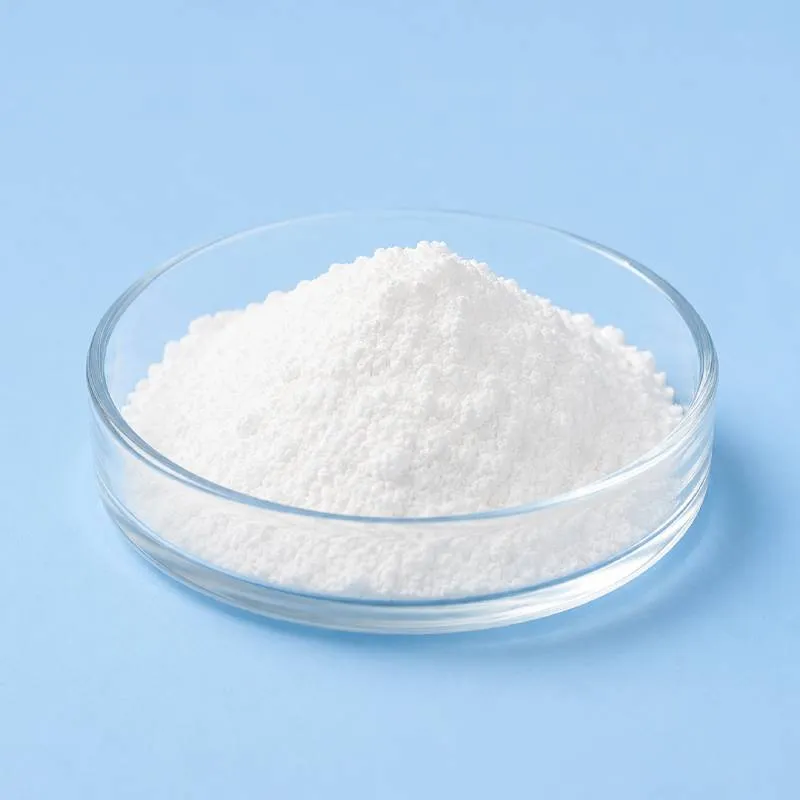
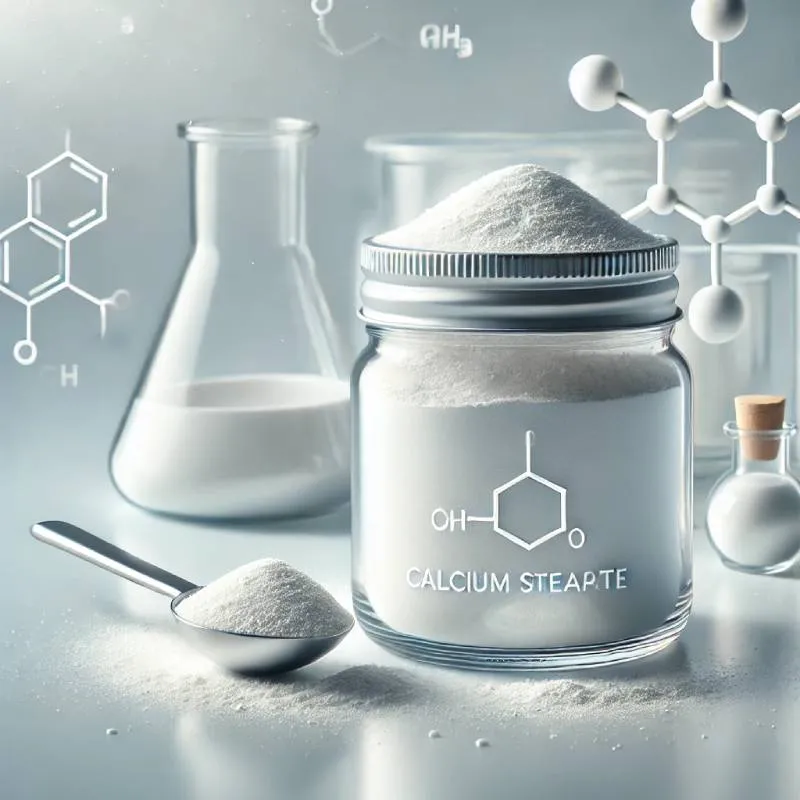
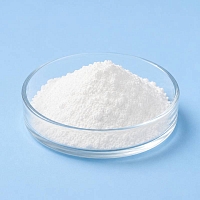
Calcium Stearate, INCI Calcium Stearate, is the calcium salt of stearic acid and a functional material used in cosmetic powder systems, color cosmetics, selected anhydrous products and certain industrial formulations. In beauty product development, it is primarily valued for its contribution to powder handling, slip, adhesion and texture. It is not a treatment active, colorant or primary emulsifier, and its function should be described in relation to the physical structure of the finished formula.
The ingredient is especially relevant to pressed face powders, blushes, eyeshadows, bronzers, loose powders and selected dry mask systems. It can also be incorporated into sticks and anhydrous balms when the formulator wants to modify texture and application behavior. Outside cosmetics, calcium stearates have established technical uses in material processing, but industrial and cosmetic grades should not be treated as automatically interchangeable. Grade specifications and suitability for the intended application must be reviewed.
Designing a modern powder base
A successful face powder normally contains several groups of materials. Starches can contribute a dry sensory character, mineral fillers influence coverage and texture, mica changes light reflection, pigments provide color and binders support the physical behavior of the product.
Calcium Stearate becomes part of this architecture. It can support slip and powder adhesion, but the final result is created by the balance of the complete system.
A loose setting powder requires good flow through the package insert and even distribution during application. A pressed powder needs sufficient cohesion to remain intact while still releasing material onto a brush or puff. These two formats may share some raw materials but require different formulation and processing decisions.
Pressed face products
Pressed powder manufacturing is both a formulation and process challenge. The same powder blend can behave differently when the binder distribution or pressing pressure changes.
Calcium Stearate can be included in the dry phase together with sericite, mica, starches and pigments. Uniform distribution is important. For larger batches, preparing a premix with part of the main filler can improve consistency.
Liquid binder systems should also be distributed gradually. Pouring an oil blend into one location can create hard spots that press differently from the rest of the batch.
Trial pans should be prepared before full production. The formulator can compare pickup, payoff, surface glazing and breakage. This approach prevents unnecessary formula changes when the actual problem is related to pressing conditions.
Blush bronzer and contour products
Colored powders add pigment dispersion to the formulation challenge. Iron oxides and other approved color materials must be distributed thoroughly to avoid streaks and visible pigment points.
A practical blending method is geometric dilution. The pigment is first blended with a small quantity of the base. This concentrate is then mixed with progressively larger portions until it can be incorporated into the full batch.
Calcium Stearate does not replace proper pigment dispersion. Its contribution is related to the physical character of the powder system.
Optical fillers also matter. A matte bronzer, satin blush and luminous finishing powder require different balances of mica, pigments and base fillers.
Loose finishing powders
Loose powders allow the formulator to focus on flow, application and finish without the additional requirement of pan strength. Calcium Stearate can be combined with rice starch, tapioca starch, sericite, kaolin and selected sensory powders.
The package should be tested with the actual formula. A very free-flowing powder may dispense too quickly through large openings, while a cohesive blend may not pass easily through a fine sifter.
The consumer experience therefore depends on the relationship between powder rheology and packaging design. Packaging selection should occur during development rather than after the formula has been finalized.
Dry mask and spa powder concepts
Calcium Stearate can also be considered as a minor functional component in selected dry cosmetic blends. These products may contain clays, starches, oat materials and botanical powders.
A dry mask should be evaluated after mixing with its intended liquid. Dry flow alone does not predict the quality of the prepared paste.
The formulator should establish a repeatable mixing ratio. For professional spa products, measured powder and liquid quantities help practitioners reproduce the intended consistency.
If a product is sold with a separate liquid activator, that activator becomes an independent water-based formula requiring its own preservation and stability design.
Anhydrous sticks and balms
Anhydrous products are built from oils, waxes, butters and structural materials. Calcium Stearate can be incorporated as a dispersed powder to modify texture and application.
Pre-dispersing the powder in a portion of liquid emollient can improve distribution. The dispersion is then added to the main heated lipid phase with sufficient mixing.
Wax selection affects hardness and glide. A high-melting wax may provide structure but can also change payoff. Butters influence softness and temperature response. Liquid emollients affect spread and sensory finish.
Calcium Stearate is therefore one part of a broader structural system. Increasing it should not be used as the only method for correcting an unstable stick.
Emulsion applications
Selected creams and lotions may use Calcium Stearate as a texture modifier or sensory powder. The ingredient does not replace the primary emulsifier.
When incorporated into an emulsion, particle distribution should be carefully controlled. A poorly dispersed powder can create graininess or an uneven finish.
The oil phase composition should also be reviewed. If the development target is a less greasy sensory profile, the choice of oils, esters and other emollients may be as important as the powder additive.
Soap and solid cleansing systems
Calcium Stearate should not be confused with stearic acid, sodium stearate or potassium stearate. These materials have different properties and cannot be substituted automatically by name similarity.
In solid cleansing formulations, Calcium Stearate should only be used where its function has been established by the specific formulation design. Adding it to an existing soap base without testing can alter physical appearance and product behavior.
Laboratory batches should be evaluated after complete stabilization. Scale-up should then reproduce the same heating, mixing and cooling sequence as closely as practical.
Industrial context and grade selection
Calcium stearates are also used as functional processing additives in various industrial materials. These applications may involve polymers and other technical compositions.
This broader industrial relevance does not mean that every available grade is appropriate for cosmetic use. Purity requirements, particle characteristics and quality documentation can differ.
A raw material supplier should provide clear specification information so that formulators can select the appropriate grade for the intended production sector.
Soft-focus loose finishing powder 1000 g
Sericite 285 g
Rice starch 240 g
Tapioca starch 170 g
Kaolin 85 g
Calcium Stearate 70 g
Satin mica 60 g
Cosmetic silica microspheres 35 g
Colloidal oat powder 30 g
Boron nitride cosmetic grade 15 g
Squalane 5 g
Caprylic capric triglycerides 3 g
Vitamin e 1 g
Fragrance suitable for face powder 1 g
Total batch weight: 1000 g
Sieve sericite, rice starch, tapioca starch and kaolin when required by the incoming raw material condition. Blend these materials until the base appears uniform.
Prepare a separate premix of Calcium Stearate, cosmetic silica microspheres, colloidal oat powder and boron nitride. Add the premix gradually to the main powder base while maintaining controlled blending.
Introduce satin mica with moderate mixing appropriate for the particle characteristics of the specific mica grade. Excessively aggressive processing may change the visual effect of some effect pigments and should be avoided when the supplier documentation recommends gentle handling.
Combine squalane, caprylic capric triglycerides, vitamin e and fragrance. Apply this liquid mixture gradually to a small portion of the powder base while blending continuously. Once evenly distributed, combine the treated powder with the main batch.
Homogenize the full blend using equipment suitable for cosmetic powder manufacturing. Allow the batch to rest in a closed dry container, then reassess flow, uniformity and application.
Fill the powder into the selected sifter package and test actual dispensing. Evaluate the amount released, brush pickup and uniformity of application before approving the package for production.
Quality control and product presentation
Loose powders should be checked for blend uniformity, agglomerates, flow and packaging performance. Colored products require additional shade consistency control.
Pressed cosmetics need evaluation of pan strength, pickup, payoff and surface behavior after repeated use. Sticks require checks for structural integrity, uniformity and application characteristics.
For commercial presentation, Calcium Stearate should be described through its genuine technological role. It is a versatile formulation material for powder texture, dry slip and physical product design, but the finished result always depends on the entire base and the manufacturing process.
This makes Calcium Stearate relevant to professional color cosmetic laboratories, small private-label brands, powder product developers and selected anhydrous formulation projects. Accurate premixing, controlled dispersion and realistic finished-product testing are the key elements of successful formulation with this material.