
-
 Absolutes
-
 Active Complexes
-
 Actives & Peptides
-
 Amino Acids & Proteins
-
 Food Flavors
-
 Ayurvedic Ingredients & Herbs
-
 Vitamins & Coenzymes
-
 Chocolate Making Supplies
-
 Thickeners & Gelling Agents
-
 Hydrosols & Floral Waters
-
 Hydrolyzed Proteins
-
 Fragrance Ingredients
-
 Nutraceutical Ingredients
-
 Acids, Salts, Alcohols & Alkalis
-
 Preservatives & Antioxidants
-
 Cosmetic Ingredients
-
 Colorants, Micas & Glitters
-
 Masks, Scrubs & Botanicals
-
 Oils & Butters
-
 Candle Making Supplies
-
 Melt and Pour Soap Bases
-
 Cream, Lotion & Hair Care Bases
-
 Fragrance Oils & Industrial Aromatics
-
 Cleansing Agents & Surfactants
-
 Peeling Actives & Acids
-
 Cosmetic Powders
-
 Solvents & Humectants
-
 Silicones & Conditioning Agents
-
 Bottles, Jars & Vials
-
 Silicone & Plastic Molds, Tools
-
 Botanical Extracts
-
 Cosmetic Emollients
-
 Emulsifiers
-
 Essential Oils
- Absolutes Wholesale 87
- Active Complexes for Cosmetics Wholesale 411
- Amino Acids & Proteins Wholesale 92
- Antioxidants Wholesale 303
- Ayurvedic Powders Wholesale 273
- Biocides Wholesale 16
- Thickeners and Gelling Agents in Bulk 116
- Bulk Hydrosols for Cosmetics 10
- Hydrocolloids in Bulk 5
- Hydrolyzed Proteins Wholesale 75
- Aromatic Fragrant Waters Wholesale 27
- Fragrance Ingredients Bulk 168
- Preservatives & Antioxidants Wholesale 161
- Corneotherapy Wholesale 10
- Cosmetic Clay Wholesale 14
- Neutralizers/pH Correctors Wholesale 17
- Surfactants Wholesale 145
- Cosmetic Peelings Wholesale 77
- Cosmetic Powders Wholesale 403
- Silicones and Conditioning Surfactants for Hair Wholesale 124
- Resins and Resinoids Wholesale 17
- UV and SPF Filters Wholesale 100
- Cosmetic Emollients Wholesale 144
- Emulsifiers Wholesale 335
- Enzymes, Filtrates and Lysates in Bulk 35
Antioxidants Wholesale
 Add to cart
Read more
 Add to cart
Read more
 Add to cart
Read more
 Add to cart
Read more
 Add to cart
Read more
 Add to cart
Read more
 Add to cart
Read more
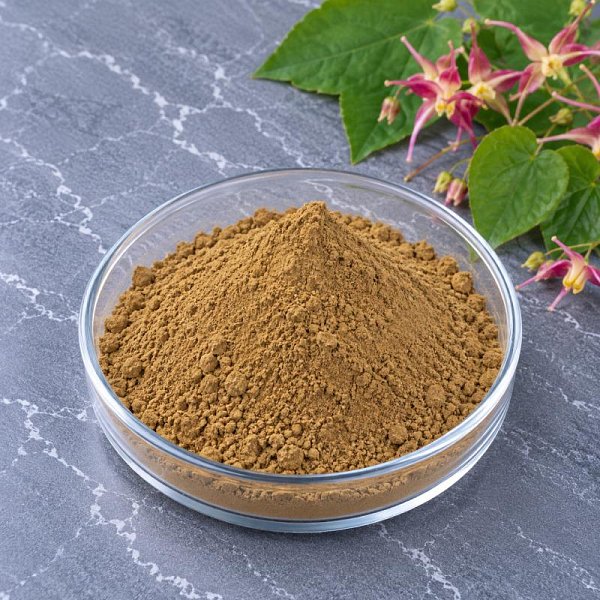
 Add to cart
Read more
 Add to cart
Read more
 Add to cart
Read more
 Add to cart
Read more
 Add to cart
Read more
 Add to cart
Read more
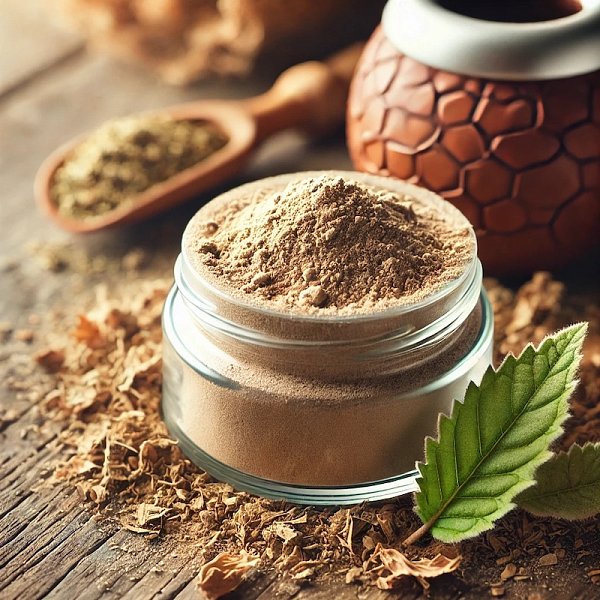
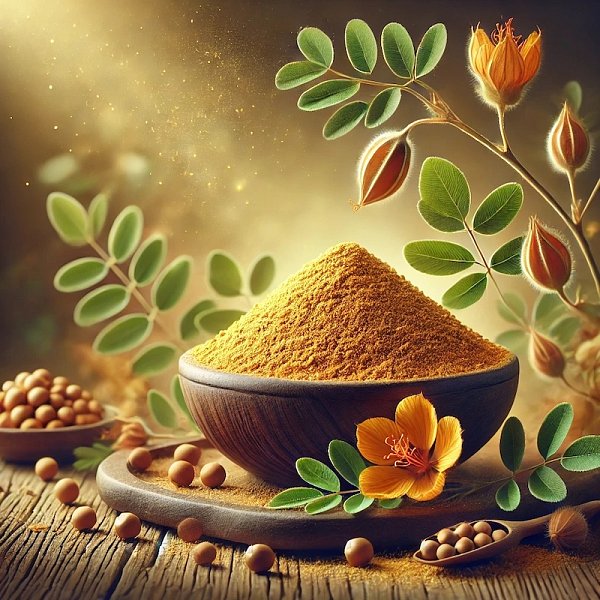
Range of Antioxidants and Key Differences
This category gathers materials with varying solubility to protect oil and fat phases in cosmetic formulas. Oil-soluble options such as tocopherol and rosemary extract are blended straight into carrier oils and butters. Water-soluble forms like sodium isoascorbate act in the aqueous phase of emulsions. Multi-component items such as Ferulactive combine several fractions for stronger protection. Coenzyme Q10 powder is valued for its dual role in basic and premium blends. The selection supports both small-scale formulators and larger production needs where consistent performance across batches matters. Cosmetic Ingredients Wholesale helps match compatible items for complete stability strategies.
Additional options include specialized compounds that serve narrower technical purposes while still contributing to overall formula protection. These materials integrate well with other functional ingredients to maintain product integrity during extended storage periods. For test formulations, you can buy Antioxidants at retail in small packs.
Guidance on Selection
Choice begins with the phase of the formula: oil-phase and anhydrous products require oil-soluble antioxidants while water-based serums suit water-soluble compounds. Dosage rate, odor neutrality and compatibility with other ingredients are considered. L-Cysteine finds use in technical recipes containing peptides. Selection also depends on whether the final product will experience temperature fluctuations or light exposure during distribution. Cosmetic Emollients Wholesale supports texture stability during emulsion production and helps balance the sensory profile of the finished item.
Formulators often test small batches first to confirm that the chosen antioxidant does not alter viscosity or color over time. Documentation provided with each material outlines recommended incorporation methods to achieve reliable results at any production scale.
Role in Cosmetic Formulations
Antioxidants are added during manufacture of creams, serums, balms and emulsions to maintain lipid component properties throughout storage. They complement preservative systems without replacing them. In specialized blends an antioxidant-plasticizer may combine stabilization with texturing effects. Typical addition occurs early in the process so that protection begins before any oxidative stress develops. Dry Bergamot Extract, 100 g serves as an extra plant-derived fraction source in fragrance-sensitive formulas.
These ingredients help preserve the original sensory qualities of oils and active complexes, ensuring the finished product remains uniform in appearance and performance from the first use to the end of its shelf life.
Bulk Supply and Production Support
Large pack sizes deliver consistent quality across batches, essential for series manufacturing. This documentation supports regulatory compliance and internal quality checks at manufacturing sites. Gallic Acid, 1 kg is offered in sizes suitable for labs and factories that require traceable raw materials.
Batch-to-batch uniformity reduces the need for repeated validation testing when scaling up from pilot runs to full production volumes.
Storage Recommendations
Store antioxidants in tightly closed containers away from light and heat to preserve activity. Shelf life depends on the specific form and supplier, so always check the label before use. Proper handling prevents premature degradation and ensures the material performs as expected when incorporated into new batches.
Many producers maintain dedicated cool, dry areas for these ingredients to minimize any risk of oxidation before they even reach the formulation stage.
FAQ
What are typical usage levels?
Rates usually range from 0.05 to 0.5 percent depending on solubility and formula type; exact figures appear in technical data sheets.
Can several antioxidants be combined?
Yes, pairing oil-soluble and water-soluble forms often improves overall protection when phase balance is maintained.
Do antioxidants affect the scent of the final product?
Some plant extracts may add a subtle note, so purified grades are preferred for neutral formulas.
Are special mixing steps required for emulsions?
Oil-soluble types go into the oil phase before emulsification; water-soluble types dissolve in the water phase.



