Fast worldwide delivery
Product catalog
Product Description

The modern cosmetic and pharmaceutical industries continuously seek high-purity active ingredients capable of delivering profound cellular protection and targeted skin renewal. Gallic acid, scientifically recognized as 3,4,5-trihydroxybenzoic acid, stands out as a premier natural phenolic compound extracted from sustainable botanical sources such as oak galls and sumac. As a powerful organic acid and antioxidant, this raw material serves as an essential functional component for formulators developing next-generation anti-aging treatments and protective skincare products. Its unique molecular architecture enables it to effectively neutralize aggressive free radicals, shield cellular structures from oxidative degradation, and support overall skin longevity. By integrating this active substance into professional formulations, manufacturers achieve exceptional stability and high biological efficacy without depending on synthetic chemical stabilizers.

Across the global market, demand for botanical phenolic derivatives continues to expand rapidly as consumers increasingly prioritize clean, science-backed efficacy in personal care products. Formulators in professional laboratories and independent manufacturing facilities alike value gallic acid for its remarkable versatility across multiple sectors. In advanced cosmetics, it functions as a potent active agent that helps brighten uneven skin tone, diminish the appearance of hyperpigmentation, and reinforce the cutaneous barrier against environmental aggressors. Its inherent astringent and clarifying properties make it exceptionally beneficial in formulations targeted at oily and blemish-prone skin, assisting in the regulation of sebum production while maintaining optimal moisture balance.

Beyond topical skincare applications, this organic compound plays an instrumental role in pharmaceutical manufacturing, where it acts as a foundational chemical precursor for synthesizing specialized therapeutic derivatives, antimicrobial agents, and protective stabilizers. Its rich profile of active components—comprising concentrated polyphenols, organic acids, and natural protective complexes—empowers pharmaceutical researchers to engineer advanced topical treatments and specialized dermatological solutions. In professional and home production environments, artisans and independent formulators appreciate how seamlessly this fine crystalline powder dissolves in polar solvents, allowing for precise incorporation into custom serums, concentrated toners, and targeted emulsions. Manufacturers and developers benefit from its reliable batch consistency, excellent compatibility with complementary botanical extracts, and ability to elevate the perceived value and performance of final commercial products.

Clarifying Botanical Antioxidant Facial Serum

Purified water - eighty milliliters Gallic acid - zero point five grams Vegetable glycerin - five milliliters Niacinamide - two grams Green tea extract - ten milliliters Cosmetic preservative - one milliliter

To prepare this clarifying facial serum, measure the specified amount of purified water in a clean, sanitized glass beaker. Add the precise portion of gallic acid and stir gently until fully dissolved. Introduce the vegetable glycerin, niacinamide, and green tea extract into the liquid phase, mixing thoroughly with a glass rod until a uniform solution is achieved. Finally, incorporate the cosmetic preservative, blend the mixture once more to ensure complete dispersion, and transfer the finished serum into a sterile dark glass bottle equipped with a dropper dispenser.

The resulting serum features a lightweight, fast-absorbing aqueous texture that leaves no sticky residue or heavy film on the skin surface. Upon application, it delivers an instant surge of hydration while actively working to neutralize oxidative stress and brighten uneven complexions. Regular use helps refine skin texture, reduce the appearance of enlarged pores, and promote a radiant, even, and healthy-looking glow.

Characteristics:
INCI Gallic Acid
Other
Application Cosmetics, antioxidant serums, creams, lotions, skin care products, cosmetic hair coloring systems, pharmaceutical synthesis, dye production, analytical chemistry, polyphenol research, gallate production, special polymer and functional materials
Att brand Germany
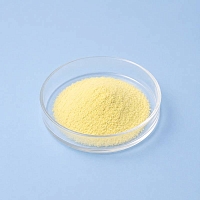
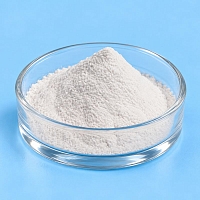
Color product white, almost white, sometimes light yellow
Dosage Facial creams: approximately 0.5-1% for a suitable cosmetic brand, after stability and safety testing. Antioxidant serums: approximately 0.5-1%. Lightening agents: approximately 0.5-1%, effectiveness depends on the complete formula. Lotions and emulsions: approximately 0.5-1%. Eye contour products: a separate, universally safe dosage has not been established. Hair coloring products: depends on technology and legislation; in South Korea and Japan, the limit for appropriate use is below 4%.
Features All information presented on the site is for reference only
Name Gallic acid 1 kg
Other names Gallic Acid, 3,4,5-Trihydroxybenzoic Acid, 3,4,5-trihydroxybenzoic acid, gallic acid, galic acid / PVA, PVA, Polyvinyl Alcohol
Packaging container for transportation
Properties Properties: antioxidant, phenolic, reducing, complexing, acidic, reactive Cosmetics: antioxidant potential, ability to interact with reactive oxygen species in vitro, ability to form complexes with metal ions Technological Properties: may change color upon oxidation, form colored complexes with iron, affect formulation stability Note: gallic acid is not glycolic acid and should not be marketed as its analog for acid peels.
Purpose Cosmetic use: antioxidant component, auxiliary ingredient for protecting formulas from oxidative processes, component of skin care systems under study Anti-aging cosmetic use: antioxidant protection, potential for reducing the effects of oxidative stress is being studied Skin lightening use: effects on melanin formation are being studied; clinically proven efficacy of the finished product cannot be guaranteed by the presence of gallic acid alone Hair use: component of special coloring systems involving metal ions, used in research formulations Pharmaceutical use: intermediate in synthesis and laboratory test substance Food use: starting material for the synthesis of certain antioxidant derivatives, such as propyl gallate; use of the acid itself in food products depends on legislation and food safety approvals Analytical chemistry use: standard for the determination of total phenolic compounds by the Folin-Ciocalteu method Dye production use: chemical reagent and intermediate in organic synthesis
Solubility water-soluble
Type organic phenolic acid, polyphenol, antioxidant, chemical raw material
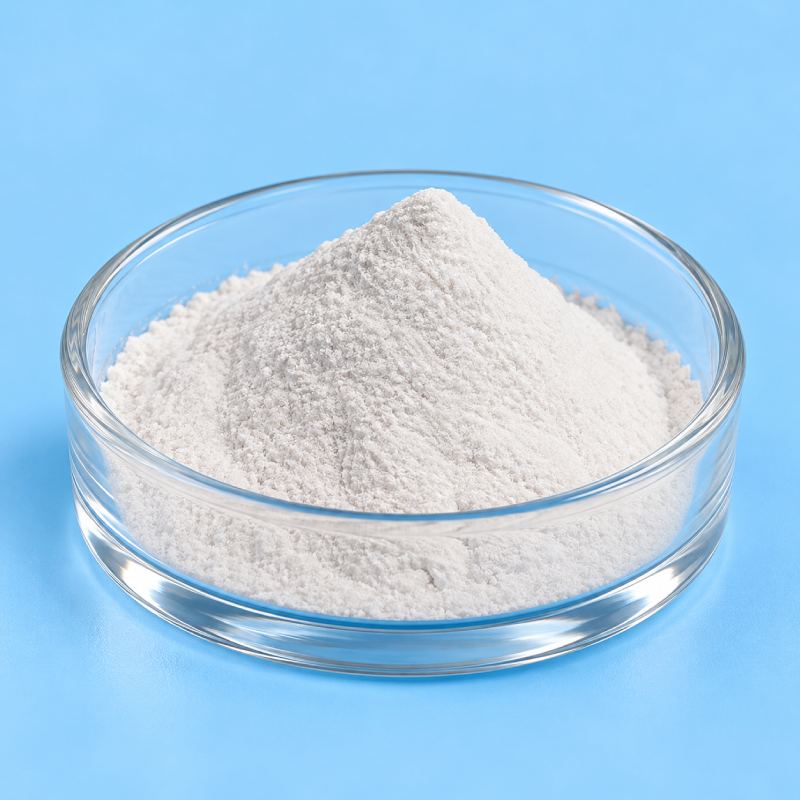
View dry fine powder, granules, or flakes
Valid until 10.2028
Add a review
Your score:
Send feedback
Error

Close window
Product added to cart
Total:
Request the price of the product
Fill in the details for the price request
Request a price Request a price