-
 Absolutes
-
 Active Complexes
-
 Actives and Peptides for Cosmetics
-
 Amino Acids
-
 Food Flavorings
-
 Ayurveda
-
 Vitamins
-
 Gelling Agents and Thickeners
-
 Hydrosols and Floral Waters
-
 Hydrolyzed Proteins
-
 Fragrant and aromatic substances
-
 Acids, Salts, Alcohols, and Alkalis
-
 Preservatives and Antioxidants
-
 Cosmetic Raw Materials
-
 Dyes, Pearlescents, and Glitters
-
 Face Masks, Scrubs, and Dried Flowers
-
 Oils, batters, macerates, oil mixtures
-
 Candle Supplies
-
 Melt and Pour Soap Bases
-
 Base for cosmetics, cream, serum, shampoo
-
 Fragrance Oils
-
 Surfactants
-
 Peelings for Skin
-
 Herbal Powders and Plant
-
 Silicones and Conditioning Surfactants for Hair
-
 Raw materials for dietary supplements
-
 Packaging for Cosmetics and Perfumes
-
 Molds, Packaging, Tools
-
 Organic Extracts
-
 Emollients for Cosmetics
-
 Emulsifiers
-
 Essential Oils
- Auto Flavor Type Keg Wholesale 65
- AromaVaper flavors wholesale 351
- Wholesale flavors Germany 243
- Wholesale flavors Poland 56
- Wholesale Flavorings for E-Cigarettes 112
- Oil-Soluble Flavors Wholesale 10
- Wholesale of Capella fragrances 76
- KHPA flavors 180
- Food Flavorings Lithuania Wholesale 105
- Powder Food Flavorings Wholesale 2
- Wholesale food flavors Ukraine 38
- Powder Flavorings Wholesale 125
- Collection of oriental fragrances England wholesale 13
- Tobacco flavors 40


Tobacco flavors

 Add to cart

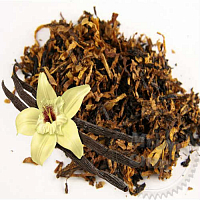

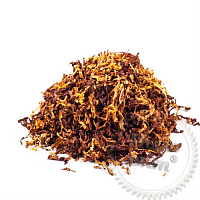

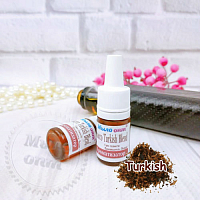





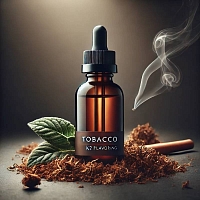
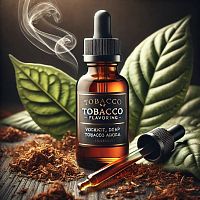

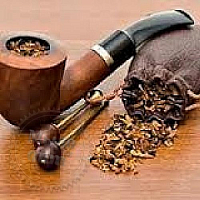



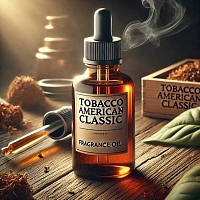


Табачные ароматизаторы
Курение – одна из вредных и, как считается, губительных привычек. Но число курильщиков не очень значительно уменьшилось не смотря на ряд мер, которые предпринимаются – запрет рекламы табака, запреты на курение в общественных местах, рост цен на табачные изделия, пропагандистские мероприятия в пользу отказа от курения.
Все курильщики делятся на две категории – для одних покурить это собственно обыденная и часто досадная привычка, которая обеспечивается самыми доступными и незатейливыми способами, для других – своего рода повседневный ритуал, который хочется провести с «чувством и толком». Вот эти вторые и выбирают аромат ( да, именно аромат, а не просто запах) своих табачных изделий не менее придирчиво чем парфюм, ведь этот аромат, как и аромат парфюма будет сопровождать весь день, проникая в одежду, волосы и оседая на коже.
Ароматизаторы табака
Любое курительное изделие обладает неповторимым ароматом и вкусом, ведь для каждого изделия, предназначенного для курения, применяются различные ароматизаторы. Все, что производитель добавляет в изделие кроме табака – ароматизаторы и именно от их вида и качества зависит каким же получится курительное изделие.
Достаточно широко распространилось пристрастие к курению сигарет «со вкусом», так, многие, особенно женщины, любят оригинальные табачные изделия с ароматами кофе, вишни, карамели или лайма. Есть ароматизаторы с горькими, сладкими и даже алкогольными нотами.
В последнее время достаточно широко распространилось курение электронных сигарет, которое вовсе невозможно без использования ароматизаторов и дает возможности бесконечных экспериментов с ароматами и вкусами.
Виды ароматизаторов табака
Ароматизаторы для табака есть двух видов: натуральные и синтетические. Синтетические можно найти в широком доступе и ассортимент их весьма разнообразен. Натуральные, безвредные для организма, найти сложнее, да и ценовая планка гораздо выше.
Ароматизаторы производят в различных формах – это могут быть жидкие сиропы, сыпучие порошки или даже просто измельченные частицы. Такое многообразие обусловлено тем, что и сам табак может быть не только для сигарет, но и для сигар, нюхательный, для самокруток или кальянный.
Ароматизаторы для разных видов курительных изделий
Самокрутки. Это и самое дешевое и достаточно дорогое курительное изделие. Все зависит от сырья – какой табак, какие ароматизаторы. Зато это один из интереснейших способов курения, ведь сам процесс приготовления самокруток очень увлекательный, а кроме этого позволяет самому проконтролировать процесс приготовления и состав. При изготовлении самокруток можно экспериментировать с различными видами табака и его смесями и конечно – с ароматизаторами, создавая свои неповторимые ароматы.
Электронные сигареты – более современный вид самокруток. При использовании электронных сигарет ароматизатор – это самое главное в составе жидкостей для заправки сигареты. Правда требования к качеству этих ароматизаторов очень высокие, ведь они влияют на вкусовые рецепторы, а значит – должны быть безопасными для здоровья.
Кальян. Табак для кальяна, в отличие от сигаретного, влажный, пропитанный специальными жидкими сиропами и ароматизаторы здесь особенно важны, ведь само по себе курение кальяна воспринимается как релакс-процедура, развлечение, культурное мероприятие, форма досуга, отрыв от обыденности, ритуал единения с самим собой, а потому, аромат дыма, выходящего из кальяна должен соответствовать настроению курильщиков.
Нюхательный табак. Самый редкий способ употребления табака, но тоже предполагающий использование специального ароматизатора в придачу к очищенному табаку.
Купить табачные ароматизаторы
У каждого курильщика или любителя «побаловаться» свой любимый вкус табака или дымка электронной сигареты. Аромат непосредственно оказывает влияние на качество курительных изделий. У нас представлен широчайший ассортимент ароматизаторов от лучших производителей, от привычных «классических», до самых экзотических и совершенно новых ароматов, которые мы реализуем оптовыми партиями и в розницу.
Для новичков, которым интересно экспериментировать, мы предоставляем большой ассортимент для выбора своего любимого неповторимого аромата и вкуса, а кроме этого, хорошим подарком могут стать наборы с различными ароматизаторами.