-
 Absolutes
-
 Active Complexes
-
 Actives & Peptides
-
 Amino Acids & Proteins
-
 Food Flavors
-
 Ayurvedic Ingredients & Herbs
-
 Vitamins & Coenzymes
-
 Chocolate Making Supplies
-
 Thickeners & Gelling Agents
-
 Hydrosols & Floral Waters
-
 Hydrolyzed Proteins
-
 Fragrance Ingredients
-
 Nutraceutical Ingredients
-
 Acids, Salts, Alcohols & Alkalis
-
 Preservatives & Antioxidants
-
 Cosmetic Ingredients
-
 Colorants, Micas & Glitters
-
 Masks, Scrubs & Botanicals
-
 Oils & Butters
-
 Candle Making Supplies
-
 Melt and Pour Soap Bases
-
 Cream, Lotion & Hair Care Bases
-
 Fragrance Oils & Industrial Aromatics
-
 Cleansing Agents & Surfactants
-
 Peeling Actives & Acids
-
 Cosmetic Powders
-
 Solvents & Humectants
-
 Silicones & Conditioning Agents
-
 Bottles, Jars & Vials
-
 Silicone & Plastic Molds, Tools
-
 Botanical Extracts
-
 Cosmetic Emollients
-
 Emulsifiers
-
 Essential Oils
- Alginate Face Masks 115
- Bath Beads and Pearls 75
- Waxes for cosmetics 69
- Cosmetic Clay 45
- Face and Body Masks 89
- Scrubs for Cosmetic Production 113
- Bath Salts 48
- Natural dried flowers 37
- Alginate Masks Wholesale 176
- Clays for Cosmetics Wholesale 35
- Additives for Cosmetics Wholesale 327
- Face and Body Masks Wholesale 175
- Scrub Ingredients Wholesale 121
- Bath Salt Wholesale 57
- Cosmetic Clays Wholesale 4


Alginate Face Masks

 Add to cart


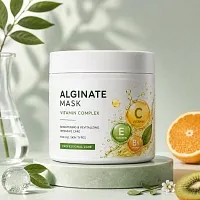


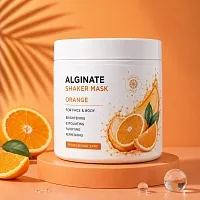

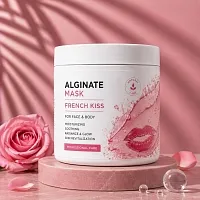


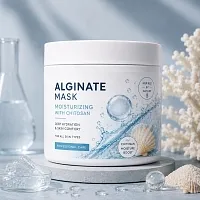


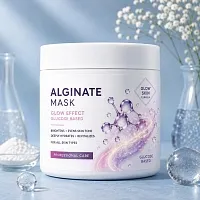
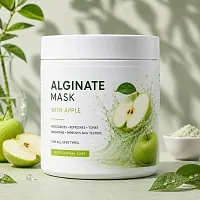


Setting powders and gel-forming bases for skincare treatments
Alginate face masks are powdered formulations based on sodium or calcium alginate extracted from brown seaweed that turn into a firm rubbery gel once mixed with water. This section covers a wide range of setting mask powders in plain, clay enriched, charcoal, collagen and botanical variants sold in bulk for professional and home based cosmetic use. Formulas differ by setting speed, texture, finish and the active ingredients blended into the base.
These setting powders are used as a delivery system in facial treatments, allowing serums, peptides, oils and extracts to be layered under the mask and sealed against the skin during the setting process. Estheticians and product developers combine them with functional powders and boosters from the additives for cosmetics wholesale range to customize texture, absorption and finish for specific skin concerns.
Beyond standalone facials, alginate powder is used by private label brands to create ready to package spa kits and by manufacturers developing new peel off mask lines. It also pairs well visually and functionally with natural dried flowers pressed into the gel surface for decorative spa presentations.
Formulation variants and how they differ
Within this range, plain or lightly tinted alginate bases sit alongside versions preloaded with clay, charcoal, botanical extracts or hyaluronic acid, each engineered for a different setting time, thickness and skin feel. A plain gel forming powder gives a neutral canvas for layering actives, while a formula like the alginate mask with charcoal, 25 g already carries an absorbent, purifying character built into the base itself.
Botanical and mineral inclusions change both texture and finish. The alginate mask with juniper and green clay, 25 g and the alginate mask with parsley, 25 g use plant material to add color and aroma while the clay content firms the gel faster, which matters for treatment rooms working on a tight schedule. Cooling formulas such as the alginate mask with menthol, 25 g add a sensory layer that clients notice immediately, useful for signature facial protocols.
Body focused blends differ from facial powders mainly in grain size and setting thickness, since they need to hold shape over larger, less contoured areas. The alginate body mask algae and clay, 25 g and the alginate mask Slimming action, 100 g are formulated with this in mind, while a contouring option like the sculpting, toning alginate mask, 25 g is built for firmer, faster set on smaller zones.
Choosing a base and building a formula around it
Selection usually starts with setting speed and finish rather than the powder alone, since the alginate base is really a delivery vehicle for whatever is applied underneath. A fast setting clay rich powder suits express treatments, while a slower, softer gel gives more working time for layering multiple serums before the mask locks in place.
The active ingredient carried inside the powder or applied beneath it drives most of the customization. A formula built around the alginate mask with hyaluronic acid, 25 g targets hydration, while rice powder or cocktail style blends such as the bio mask with organic rice powder, 25 g and the Magic cocktail alginate mask, 25 g combine several functional powders for a broader cosmetic effect. Formulators also draw on the wider waxes for cosmetics range when a firmer occlusive layer or a different setting texture is needed for a specific treatment line, and a gentle option like the Hydrate alginate mask, 25 g works well for sensitive or reactive skin protocols.
Origin and storage
Alginate powders and related mask ingredients in this catalog are sourced from suppliers in France, Germany and Spain, reflecting established production of cosmetic grade seaweed extracts and mineral additives in these markets. Powders are shipped sealed and should be kept dry, away from direct moisture and heat, since alginate absorbs ambient humidity and can lose its clean setting properties if exposed to air for extended periods.
Once opened, containers are best resealed tightly between uses, and mixing should always follow the powder to water ratio intended for that specific formula, since body and facial variants are not always interchangeable in proportion. Stored correctly, these powders keep their setting performance well across a full production cycle for spas and private label lines alike.
FAQ
What is alginate face mask powder made from
It is made from sodium or calcium alginate, a natural polysaccharide extracted from brown seaweed. When mixed with water, the powder activates and sets into a firm, peel off gel, making it a popular base for professional facial treatments and spa style skincare formulations.
How long does alginate mask powder take to set
Setting time depends on the specific formula and ranges from a few minutes to around twenty minutes. Clay enriched and collagen variants often set at different speeds than plain bases, so it is worth testing a small batch before committing to a full treatment routine.
Can serums and oils be layered under an alginate mask
Yes, this is one of the main reasons estheticians choose alginate powders. The gel forms a seal over the skin, trapping serums, peptides, oils and extracts underneath so they stay in contact with the skin throughout the setting period instead of evaporating.
What is the difference between clay and charcoal alginate mask bases
Clay based powders tend to add mattifying and mild absorbent properties, while charcoal variants are chosen mainly for their deep dark finish and drawing sensation on the skin. Both start from the same alginate base but change texture and visual result once set.
How should alginate mask powder be stored
Alginate powder should be kept sealed, dry and away from direct heat or moisture, since it is highly hygroscopic and will absorb ambient humidity over time. Proper storage keeps the setting speed and texture consistent between batches.
Recommendations
When selecting an alginate mask base for a treatment menu or private label line, match the setting speed and finish to the skin concern you are formulating for, and consider whether a plain base or a clay, charcoal, collagen or botanical blend fits the result you want. Order small trial quantities first to test texture and set time before committing to a larger batch, since formulas can vary between suppliers. For bulk orders or questions about a specific variant, reach out to our team by email and we will help you find the right base for your production needs.


