-
 Absolutes
-
 Active Complexes
-
 Actives & Peptides
-
 Amino Acids & Proteins
-
 Food Flavors
-
 Ayurvedic Ingredients & Herbs
-
 Vitamins & Coenzymes
-
 Chocolate Making Supplies
-
 Thickeners & Gelling Agents
-
 Hydrosols & Floral Waters
-
 Hydrolyzed Proteins
-
 Fragrance Ingredients
-
 Nutraceutical Ingredients
-
 Acids, Salts, Alcohols & Alkalis
-
 Preservatives & Antioxidants
-
 Cosmetic Ingredients
-
 Colorants, Micas & Glitters
-
 Masks, Scrubs & Botanicals
-
 Oils & Butters
-
 Candle Making Supplies
-
 Melt and Pour Soap Bases
-
 Cream, Lotion & Hair Care Bases
-
 Fragrance Oils & Industrial Aromatics
-
 Cleansing Agents & Surfactants
-
 Peeling Actives & Acids
-
 Cosmetic Powders
-
 Solvents & Humectants
-
 Silicones & Conditioning Agents
-
 Bottles, Jars & Vials
-
 Silicone & Plastic Molds, Tools
-
 Botanical Extracts
-
 Cosmetic Emollients
-
 Emulsifiers
-
 Essential Oils
- Silicone geometric molds 11
- Wooden molds for soap 9
- Fondant Tools 9
- Compound for molds 35
- Metal baking molds 27
- World of Forms 286
- Silicone Molds 72
- Plastic chocolate molds 128
- Plungers and Cutters 40
- Silicone Portion Molds 20
- Silicone 3D Molds 712
- Silicone Baking Molds 36
- Silicone soap loaf molds 6
- Bath bomb molds 13
- Candy Molds 118
- Plastic soap molds 274
- Candle Molds 51
- Silicone 3D Luxury Molds 711
- Silicone forms 241
- Silicone mold trays for baking 218
- Soap stamps 38
- Plastic soap molds wholesale 9
- Paper baking molds 22
- Cookie cutters and gingerbread molds 61
- Mousse cake and dessert molds 8
- Cheese molds 5


Soap stamps

 Add to cart


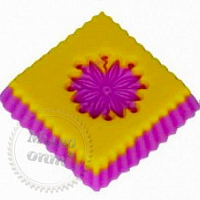


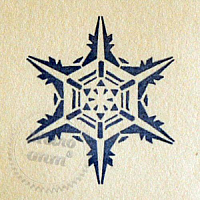

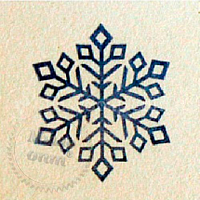


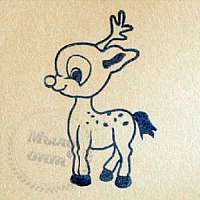





Imprint tools for shaping and branding handmade bars
Soap stamps are pressing tools used to imprint a logo, pattern, or text onto the surface of a soap bar while it is still firm but not fully cured. The range covers acrylic stamps for fine detail and metal stamps for deeper, sharper impressions, in sizes suited to single bars or small batches.
These stamps are typically used right after unmolding, when the bar holds its shape but the surface is still soft enough to take an imprint without cracking. Many makers who use these stamps also work with plastic soap molds to shape the base bar first, then finish it with a stamped design. The same pressing logic applies beyond soap bars, since firm compressed blocks used for bath products can be marked the same way, similar to how bath bomb molds shape a different kind of solid block entirely.
Material types and how they differ
Acrylic stamps are cut with fine, shallow lines and work best for crisp text and thin decorative outlines, since the material lets makers see the design through the tool while pressing. Metal stamps cut deeper into the surface and hold their edge longer, which makes them suited to repeated use across larger batches where the imprint needs to stay consistent bar after bar.
Within the assortment, seasonal designs such as the Soap Stamp Snowflake, the Stamp for soap Snowflake No. 4, and the Stamp for soap Santa Claus sit alongside softer figurative shapes like the Stamp for soap Deer and the Stamp for soap from the Snow Maiden, giving makers a way to rotate patterns without changing tools between orders.
Choosing a stamp and pairing it with other tools
The main choice is depth of detail versus speed of use: acrylic suits single custom bars where a light, precise mark is enough, while metal stamps are worth it once a maker presses the same design repeatedly. Handle size also matters, since a stamp meant for a single bar will not sit comfortably on a wider block shaped in bulk.
Stamps are rarely used alone. Bars are usually poured and set first in silicone forms, unmolded, then finished with a stamp while the surface is still soft enough to take an impression cleanly. Novelty shapes such as the Soap Stamp Candle or the Soap stamp Christmas lollipop work well for gift sets where the imprint itself is the main visual detail, rather than a texture added on top of an already complex mold.
Origin and storage
The range includes stamps made in China alongside options produced in Ukraine, covering both budget batch tools and locally made pieces. Stamps store easily at room temperature, away from direct heat that could warp acrylic or dull a fine metal edge, and should be wiped dry after each use so residue does not build up in the engraved lines before the next pressing.
FAQ
What is the difference between acrylic and metal soap stamps
Acrylic stamps have fine, shallow engraving and work best for crisp text or thin outlines on soft bars, while metal stamps cut deeper and hold sharp edges through repeated pressing, making them better suited to larger batches or designs with heavier detail.
When should a soap stamp be used after unmolding
A stamp should be pressed while the bar still holds its shape but the surface remains soft enough to take an imprint cleanly. Waiting too long lets the surface firm up and crack, while stamping too early can distort the shape before it sets.
Can the same stamp be used on other solid bars besides soap
Yes, the pressing action works on any firm compressed block with a soft outer surface, including bath bombs and similar solid bars. The stamp simply presses a design into the surface, so it is not limited to one specific product type.
How should soap stamps be cleaned and stored between uses
Wipe stamps with a dry or slightly damp cloth right after use to remove residue before it hardens in the fine lines. Store them flat or upright in a dry place, away from heat, so the engraved detail stays sharp for future pressing.
Recommendations
Choose stamp material based on the detail level your design needs: acrylic for fine text and thin outlines, metal for deeper impressions that hold up across repeated batches. Match the stamp size to your bar dimensions so the imprint sits centered without spilling over the edges. For questions about sizing or picking the right tool for a specific batch, reach out by email and our team will help you narrow down the option.



