-
 Absolutes
-
 Active Complexes
-
 Actives & Peptides
-
 Amino Acids & Proteins
-
 Food Flavors
-
 Ayurvedic Ingredients & Herbs
-
 Vitamins & Coenzymes
-
 Chocolate Making Supplies
-
 Thickeners & Gelling Agents
-
 Hydrosols & Floral Waters
-
 Hydrolyzed Proteins
-
 Fragrance Ingredients
-
 Nutraceutical Ingredients
-
 Acids, Salts, Alcohols & Alkalis
-
 Preservatives & Antioxidants
-
 Cosmetic Ingredients
-
 Colorants, Micas & Glitters
-
 Masks, Scrubs & Botanicals
-
 Oils & Butters
-
 Candle Making Supplies
-
 Melt and Pour Soap Bases
-
 Cream, Lotion & Hair Care Bases
-
 Fragrance Oils & Industrial Aromatics
-
 Cleansing Agents & Surfactants
-
 Peeling Actives & Acids
-
 Cosmetic Powders
-
 Solvents & Humectants
-
 Silicones & Conditioning Agents
-
 Bottles, Jars & Vials
-
 Silicone & Plastic Molds, Tools
-
 Botanical Extracts
-
 Cosmetic Emollients
-
 Emulsifiers
-
 Essential Oils
- Water-Soluble Oils Wholesale 25
- Bulk Liquid Oils 297
- Natural Oil Complexes Wholesale 58
- Bulk Oils 27
- Herbal Oil Extracts and Infusions Wholesale 16
- Massage Oils Wholesale 17
- Macerated Oils Wholesale 30
- Carrier Oil Blends Wholesale 71
- Solid Oils and Butters Wholesale 78
- Solid Oils and Butters Bulk Wholesale 10
- Fermented Oils Wholesale 8
- Natural Essential Oils Wholesale 769


Bulk Oils

 Add to cart


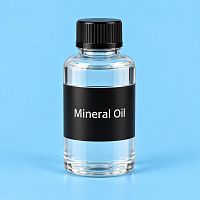


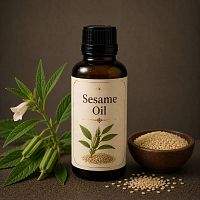


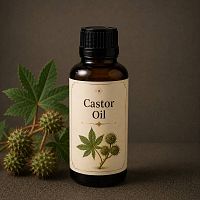


Base oils sourced in volume for formulators
Bulk oils are base and carrier oils supplied in large volume formats for workshops and manufacturing lines that move beyond small test batches. This section covers liquid and semi-liquid plant oils packed in containers sized for continuous production rather than single-batch experimentation, so formulators can lock in one consistent lot across an entire product run.
These oils serve as the primary carrier phase in creams, lotions, serums, balms, and hair care emulsions, where they deliver emolliency, spreadability, and a stable base for actives and fragrance to disperse into. Buying at volume also matters for texture consistency between production runs, since switching lots mid-line can shift viscosity or absorption. For formulators who blend several oil types in one recipe, the Vegetable Oils Wholesale range covers lighter liquid textures, while the Solid Oils and Butters Wholesale section fits formulas that need firmer, richer bases.
Kernel, seed, and bran oils inside this range
The lineup splits mainly by botanical source and pressing method, which changes texture, absorption speed, and how an oil behaves once blended into an emulsion. Kernel oils such as Peach Kernel Oil 190 L and Apricot Kernel Oil 200 L are light, fast absorbing, and sit well in facial serums and lightweight lotions without leaving a heavy film.
Heavier or more functional oils shift the mix in a different direction. Castor Oil 225 kg brings high viscosity and film-forming behavior, useful in balms, lip formulas, and thickened creams. Avocado oil, from 190 kg carries a richer, fattier profile suited to nourishing body creams and hair conditioning treatments.
Grain and seed-derived oils round out the range with distinct textures of their own. Cotton Seed Oil from 190 L works as a versatile carrier for general emulsion bases, while Rice Bran Oil 190 L and Wheat Germ Oil 190 L tend to be blended in smaller percentages within a formula, valued for the texture and skin feel they contribute rather than used as a standalone base.
Choosing a grade and building a blend
Selection usually comes down to the finished product's spreading behavior, absorption speed, and shelf stability target rather than a single fixed rule. Lighter kernel oils suit fast-absorbing daily lotions, while denser oils like castor or avocado are chosen when a formula needs body, cushion, or a richer after-feel on skin or hair.
Most production formulas do not rely on one oil alone. Blending a light carrier with a heavier structural oil, and sometimes adding a small percentage of a functional oil from Natural Essential Oils Wholesale for scent, is a common approach across creams, hair serums, and balm bases. The wide range of viscosities in this section makes it practical to combine two or three oils in one recipe without sourcing from multiple suppliers.
Origin and storage at production volume
Depending on the specific oil, supply in this range comes from Germany, Italy, India, and Ukraine, reflecting both regional pressing traditions and the crops each origin grows at scale.
At bulk volumes, storage conditions matter more than in small retail packs. These oils are best kept away from direct light and heat, in tightly closed original containers, to slow oxidation over a full production cycle. Ordering by the container rather than by the liter also reduces how often a line is exposed to fresh air during transfer, which helps preserve consistency across a longer manufacturing run.
FAQ
What is the difference between bulk oils and standard retail size oils for cosmetic production
Bulk oils are packed in larger container formats meant for continuous manufacturing runs rather than single small batches. Beyond volume, buying bulk lets a workshop lock in one consistent lot across a whole production cycle, avoiding texture or absorption shifts that can happen when switching between smaller containers mid formula.
How should bulk carrier oils be stored between production batches
Keep containers tightly sealed, away from direct light and heat, ideally in a cool dry area with stable temperature. Once a large container is opened, decant working amounts into smaller containers for daily use rather than repeatedly opening the main bulk container, which helps limit oxidation over the storage period.
Can different botanical oils in this range be blended in one formula
Yes, blending lighter and richer oils from different botanical sources is common practice for balancing spreadability, absorption speed, and skin feel in one recipe. Formulators often combine a lighter kernel or seed oil with a heavier bran or pressed oil to fine tune texture across creams, serums, and hair care emulsions.
What determines the shelf life of bulk base oils
Shelf life depends mainly on the oil type, its fatty acid profile, and storage conditions after the container is opened. Oils higher in polyunsaturated fatty acids tend to oxidize faster than more saturated ones, so rotation speed and proper sealed storage matter more than the packaging format itself.
Recommendations
When choosing a bulk oil for a production line, match the pressing method and botanical source to the texture and absorption speed your formula needs, then confirm the container size fits your actual batch frequency so stock does not sit open too long. Comparing a small sample against your existing base before committing to a full volume order helps avoid mid line inconsistency. Reach out by email to discuss available lots and packaging formats for your specific production schedule.



