Product catalog
-
 Absolutes
-
 Active Complexes
-
 Actives and Peptides for Cosmetics
-
 Amino Acids
-
 Food Flavorings
-
 Ayurveda
-
 Vitamins
-
 Gelling Agents and Thickeners
-
 Hydrosols and Floral Waters
-
 Hydrolyzed Proteins
-
 Fragrant and aromatic substances
-
 Acids, Salts, Alcohols, and Alkalis
-
 Preservatives and Antioxidants
-
 Cosmetic Raw Materials
-
 Dyes, Pearlescents, and Glitters
-
 Face Masks, Scrubs, and Dried Flowers
-
 Oils, batters, macerates, oil mixtures
-
 Candle Supplies
-
 Melt and Pour Soap Bases
-
 Base for cosmetics, cream, serum, shampoo
-
 Fragrance Oils
-
 Surfactants
-
 Peelings for Skin
-
 Herbal Powders and Plant
-
 Silicones and Conditioning Surfactants for Hair
-
 Raw materials for dietary supplements
-
 Packaging for Cosmetics and Perfumes
-
 Molds, Packaging, Tools
-
 Organic Extracts
-
 Emollients for Cosmetics
-
 Emulsifiers
-
 Essential Oils
Мастер классы, рецепты, советы


Что выбрать: пептидную косметику или инъекции у косметолога?
Статья представляет собой сравнительный анализ двух популярных подходов к омоложению кожи: использование пептидной косметики (с акцентом на домашние рецепты) и инъекционные процедуры у косметолога. Она описывает принципы действия, преимущества и недостатки каждого метода, а также предлагает рекомендации по выбору наиболее подходящего решения в зависимости от индивидуальных потребностей и целей.
Основы создания крема: сочетание активных компонентов
Статья представляет собой глубокое погружение в основы создания кремов в домашних условиях, сфокусированное на грамотном подборе и комбинировании активных ингредиентов. В ней рассматриваются различные типы активов, их совместимость и синергичное действие, а также предлагаются практические рецепты кремов для решения конкретных задач кожи.
Кремоварение: ошибки приготовления эмульсии в домашних условиях
Эта статья подробно разбирает наиболее распространенные ошибки, которые новички и даже опытные мастера допускают при приготовлении эмульсий (кремов, лосьонов) в домашних условиях. Мы объясним, почему эти ошибки происходят, как их избежать и что делать, если ваша эмульсия расслоилась или не получилась. Цель — помочь читателям создавать стабильные, эффективные и приятные в использовании косметические продукты.





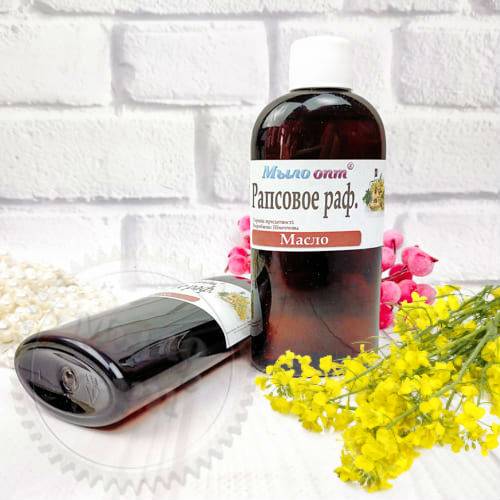
 Add to cart
 Buy in 1 click

 Add a review
 To favorites
 To compare