-
 Absolutes
-
 Active Complexes
-
 Actives & Peptides
-
 Amino Acids & Proteins
-
 Food Flavors
-
 Ayurvedic Ingredients & Herbs
-
 Vitamins & Coenzymes
-
 Chocolate Making Supplies
-
 Thickeners & Gelling Agents
-
 Hydrosols & Floral Waters
-
 Hydrolyzed Proteins
-
 Fragrance Ingredients
-
 Nutraceutical Ingredients
-
 Acids, Salts, Alcohols & Alkalis
-
 Preservatives & Antioxidants
-
 Cosmetic Ingredients
-
 Colorants, Micas & Glitters
-
 Masks, Scrubs & Botanicals
-
 Oils & Butters
-
 Candle Making Supplies
-
 Melt and Pour Soap Bases
-
 Cream, Lotion & Hair Care Bases
-
 Fragrance Oils & Industrial Aromatics
-
 Cleansing Agents & Surfactants
-
 Peeling Actives & Acids
-
 Cosmetic Powders
-
 Solvents & Humectants
-
 Silicones & Conditioning Agents
-
 Bottles, Jars & Vials
-
 Silicone & Plastic Molds, Tools
-
 Botanical Extracts
-
 Cosmetic Emollients
-
 Emulsifiers
-
 Essential Oils
Botanical Extracts
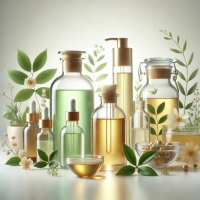


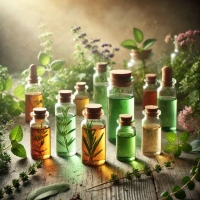

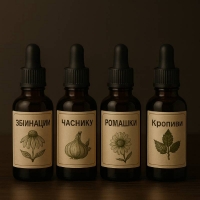
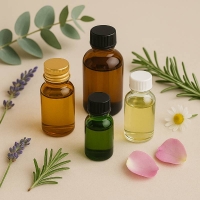
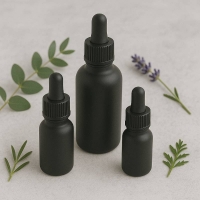

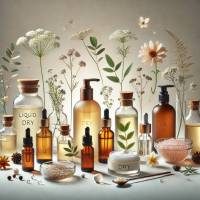
Composition of the Category and Form Differences
The section gathers extracts from plants, flowers, herbs, fruits and algae obtained through various methods. Glycol carriers suit aqueous phases, oil concentrates work in lipid systems, dry powders allow precise dosing, fermented versions fit gentle concepts, and CO2 extracts provide high lipophilic content. Each format influences solubility and final texture. Glycol forms distribute easily in water based systems while oil types integrate better into fatty textures. Dry extracts achieve high concentration without excess volume and fermented versions reduce potential aggressiveness of plant components. CO2 extracts stand out for extraction purity and absence of residual solvents.
Guidance on Selection by Technical Parameters
Selection starts with the target phase and required solubility. Compatibility with pH, emulsions and preservatives is checked along with color and odor. Typical input rates range from 0,5 to 5 percent depending on concentration. Packaging includes bottles and drums suited to lab and industrial scales. Aloe Vera Extract Concentrate 50 ml serves as an example of compact packaging for test batches. It is important to evaluate impact on stability and clarity of the final product. Related raw materials are collected in the oils & butters and essential oils sections.
Use in Cosmetic Formulations
Extracts are incorporated into creams, serums, masks, toners and gels for face and body. They help adjust sensory properties and emulsion stability. Oil Extracts integrate well in nourishing textures while water soluble forms suit clear products. CO2 Extracts are valued for clean fractions and minimal carrier odor. Professional lines employ them to create products with targeted sensory attributes.
Raw Material for Dietary Supplements and Food Industry
These extracts are sourced as raw material for dietary supplements and for the food industry including drinks, confectionery and functional foods. Private formulators and factories worldwide employ them in their developments strictly as recipe components. Batches are selected with repeatability of characteristics in mind for large scale production.
Bulk Formats and Supporting Documents
For series production Extracts Wholesale Shipments ensure batch consistency and required declarations. Manufacturers appreciate the option to order large volumes backed by verified analytics.
Storage Recommendations
Extracts should be kept in sealed containers at 15-25 °C protected from light and moisture. Shelf life varies by form and is stated in accompanying documents. Regular monitoring of conditions helps preserve original properties of the raw material until use.
FAQ
How do extraction forms differ in solubility
Glycol types dissolve in water, oil types in lipids, dry powders need dispersion, and CO2 versions retain lipophilic fractions without solvents.
What role does the carrier play during incorporation
The carrier defines the addition phase and possible changes in viscosity or clarity. Mismatch may cause separation or color shift.
Where are extract complexes most often applied
Complexes appear in multifunctional face and body products when several botanical directions must be combined in one phase.
Which documents accompany industrial lots
Current documents are listed in the «Documents» block of each product card.

This section is still empty
You can go back to the catalog page or use the navigation or search on the site.
Home page- Абсолюты
- Активные комплексы
- Активы и пептиды
- Аминокислоты
- Ароматизаторы пищевые
- Аюрведа
- Витамины
- Все для шоколада
- Гелеобразователи и загустители
- Гидролаты
- Гидролизаты протеинов
- Душистые и ароматические вещества
- Ингредиенты для нутрицевтики
- Кислоты, Соли, Спирты, Щелочи
- Консерванты и Антиоксиданты
- Косметические ингредиенты
- Красители, Перламутры и Глиттеры
- Маски для лица, скрабы, сухоцветы
- Масла и баттеры
- Материалы для свечей
- Мыльная основа
- Основа для косметики, крема, сыворотки, шампуня
- Отдушки
- ПАВы, поверхностно-активные вещества
- Пилинги
- Порошки и Пудры
- Растворители и увлажнители
- Силиконы и кондиционирующие ПАВы для волос
- Тара для косметики и парфюмерии
- Формы, упаковка, разное
- Экстракты
- Эмоленты
- Эмульгаторы
- Эфирные масла



