
-
 Absolutes
-
 Active Complexes
-
 Actives & Peptides
-
 Amino Acids & Proteins
-
 Food Flavors
-
 Ayurvedic Ingredients & Herbs
-
 Vitamins & Coenzymes
-
 Chocolate Making Supplies
-
 Thickeners & Gelling Agents
-
 Hydrosols & Floral Waters
-
 Hydrolyzed Proteins
-
 Fragrance Ingredients
-
 Nutraceutical Ingredients
-
 Acids, Salts, Alcohols & Alkalis
-
 Preservatives & Antioxidants
-
 Cosmetic Ingredients
-
 Colorants, Micas & Glitters
-
 Masks, Scrubs & Botanicals
-
 Oils & Butters
-
 Candle Making Supplies
-
 Melt and Pour Soap Bases
-
 Cream, Lotion & Hair Care Bases
-
 Fragrance Oils & Industrial Aromatics
-
 Cleansing Agents & Surfactants
-
 Peeling Actives & Acids
-
 Cosmetic Powders
-
 Solvents & Humectants
-
 Silicones & Conditioning Agents
-
 Bottles, Jars & Vials
-
 Silicone & Plastic Molds, Tools
-
 Botanical Extracts
-
 Cosmetic Emollients
-
 Emulsifiers
-
 Essential Oils
- Absolutes Wholesale 87
- Active Complexes for Cosmetics Wholesale 411
- Amino Acids & Proteins Wholesale 92
- Antioxidants Wholesale 303
- Ayurvedic Powders Wholesale 273
- Biocides Wholesale 16
- Thickeners and Gelling Agents in Bulk 116
- Bulk Hydrosols for Cosmetics 10
- Hydrocolloids in Bulk 5
- Hydrolyzed Proteins Wholesale 75
- Aromatic Fragrant Waters Wholesale 27
- Fragrance Ingredients Bulk 168
- Preservatives & Antioxidants Wholesale 161
- Corneotherapy Wholesale 10
- Cosmetic Clay Wholesale 14
- Neutralizers/pH Correctors Wholesale 17
- Surfactants Wholesale 145
- Cosmetic Peelings Wholesale 77
- Cosmetic Powders Wholesale 403
- Silicones and Conditioning Surfactants for Hair Wholesale 124
- Resins and Resinoids Wholesale 17
- UV and SPF Filters Wholesale 100
- Cosmetic Emollients Wholesale 144
- Emulsifiers Wholesale 335
- Enzymes, Filtrates and Lysates in Bulk 35
Thickeners and Gelling Agents in Bulk
 Add to cart
Read more
 Add to cart
Read more
 Add to cart
Read more
 Add to cart
Read more
 Add to cart
Read more
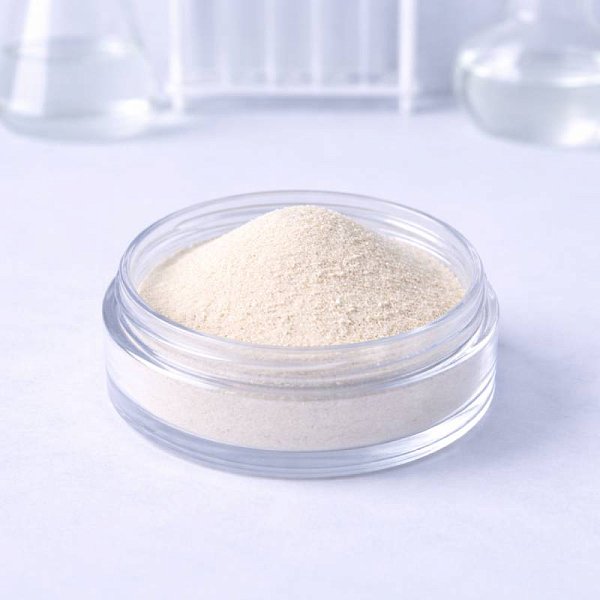
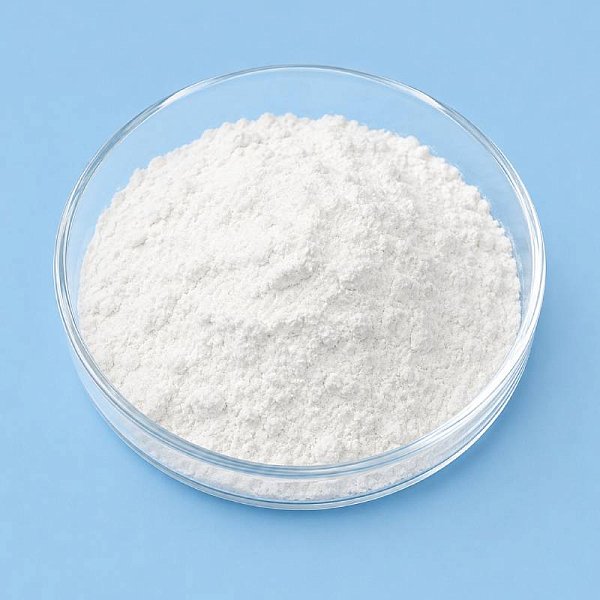
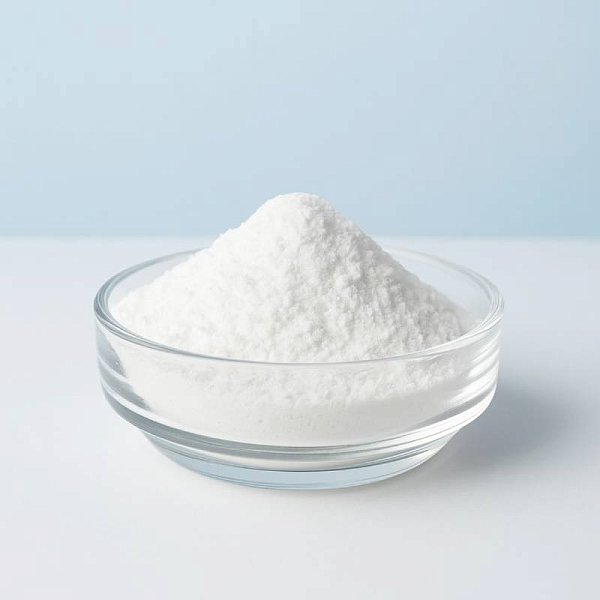
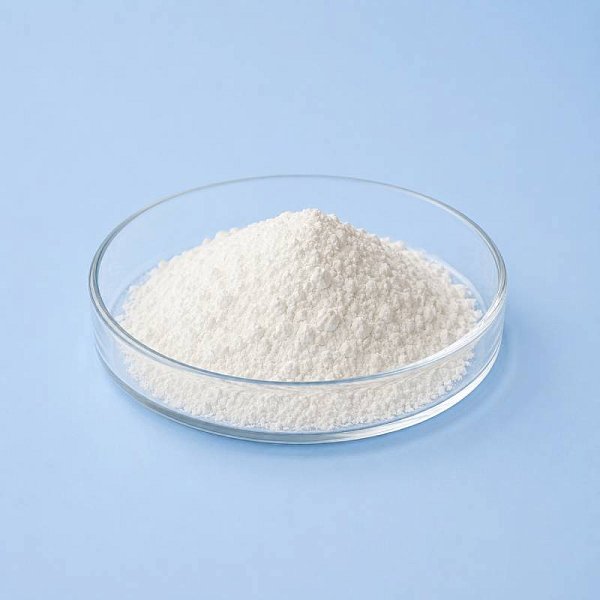
Range of thickeners and their differences
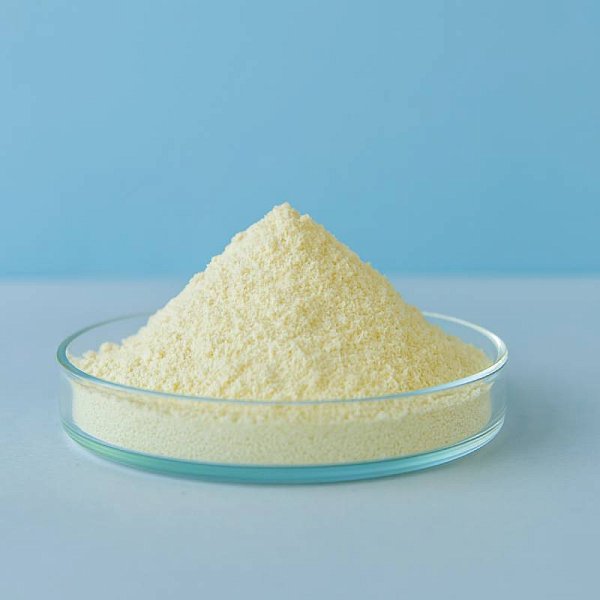
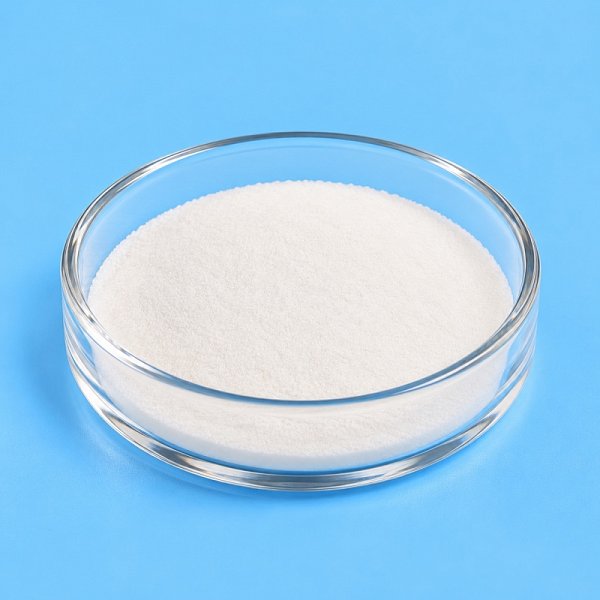
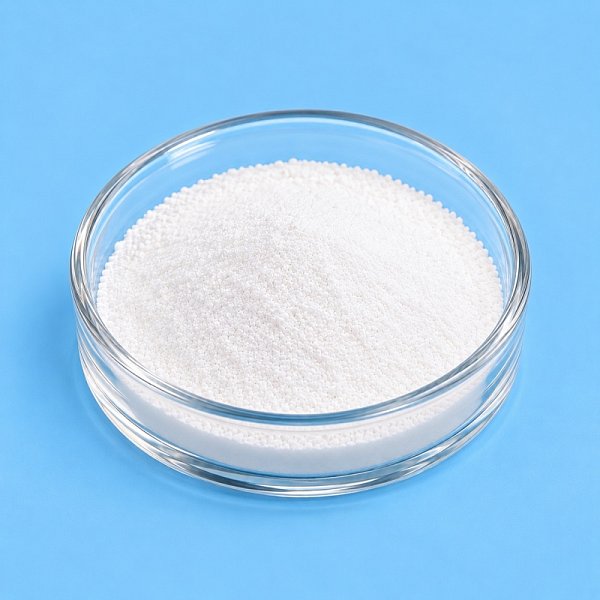
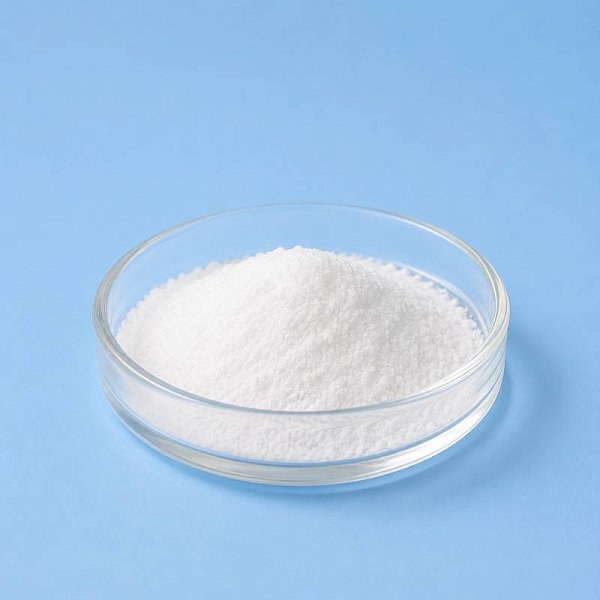
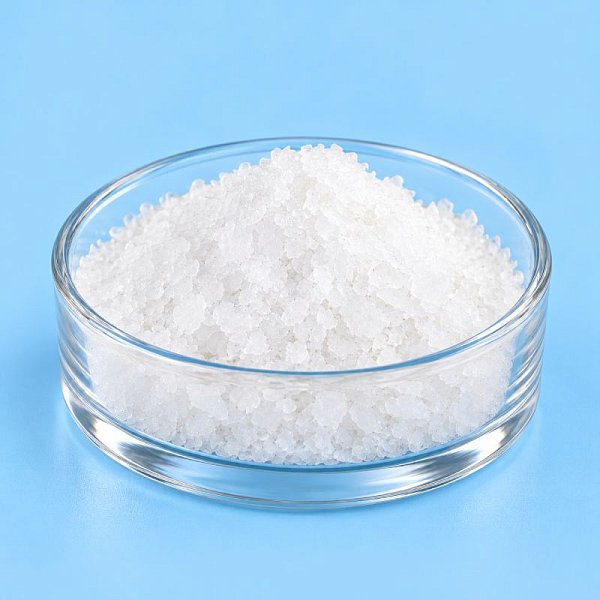
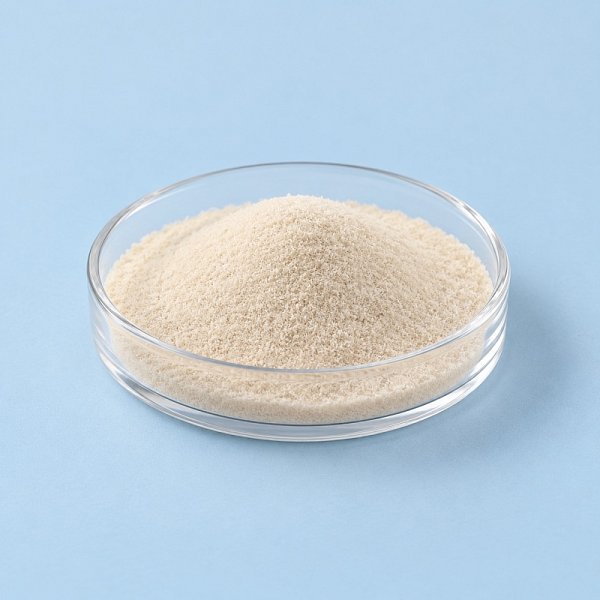
This category gathers acrylic polymers, natural gums and cellulose ethers that modify viscosity and create gel networks. Carbomers require neutralization to develop clarity and structure, while xanthan and guar hydrate directly. Agar sets upon cooling, pectin responds to calcium, and gelatin yields elastic gels. Each chemistry demands specific formulation conditions regarding pH and electrolytes. Polymer grades differ in molecular weight and water retention capacity, affecting long-term product stability. Some thickeners also provide secondary benefits such as improved spreadability and reduced tackiness in the final product after application on skin or hair.
Selection guidance for formulators
Start with the ionic profile and target texture of the full system. Cellulose derivatives tolerate salts better than acrylic polymers. Scaling from lab to production requires batch-to-batch consistency data. Cosmetic Ingredients Wholesale pairs well with amino acids for refined sensory profiles. Solubility in cold or hot water and behavior with oils or actives must also be considered, as these factors can reduce thickening efficiency. Formulators often run small trials to compare final viscosity after 24 hours of rest to ensure the chosen agent meets production targets without additional adjustments.
Role in cosmetic formulas
These ingredients control flow in serums, stabilize emulsions and suspend particles in creams. Natural gums impart shear-thinning behavior, polymers deliver clear gels. Amino Acids & Proteins Wholesale complement gelling agents when soft textures are desired. In water gels they create light bases for serums, while in emulsions they prevent phase separation during storage at varying temperatures. They also help maintain uniform distribution of pigments or powders in tinted products and lotions where even application matters for consumer experience.
Bulk supply and production consistency
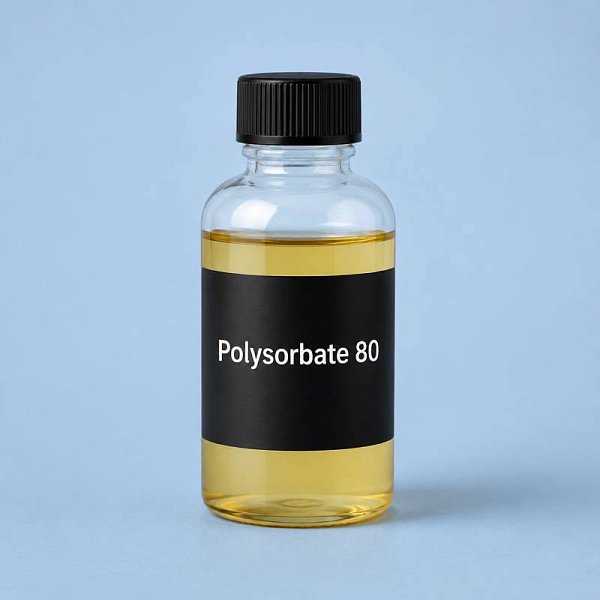
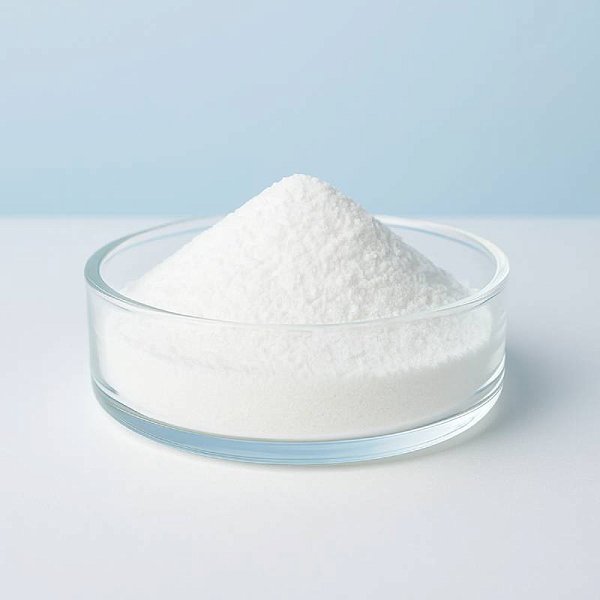
Uniform quality supports reliable scale-up. Polysorbate 80, 1 kg is frequently evaluated alongside thickeners for emulsion stability. Additionally Polyvinyl Alcohol, 1 kg finds use in formulas needing film-forming properties together with viscosity adjustment. Producers value documented traceability from supplier to finished batch to meet regulatory requirements in multiple markets.
Storage recommendations
Keep containers sealed in a cool, dry area away from light to prevent moisture uptake and maintain powder flow. Regular monitoring of temperature and humidity helps avoid degradation of polymers and natural gums over extended periods. Proper conditions also reduce the risk of microbial contamination before the material enters the production line.
FAQ
Which thickener produces clear gels?
Carbomers develop transparent networks after neutralization at typical levels of 0.2-0.5 percent.
Can different thickener types be combined?
Blends of polymers and gums are common to achieve balanced rheology and long-term stability.
How do cellulose derivatives behave in water?
They disperse and require agitation for full hydration while remaining tolerant to electrolytes.
Are supporting documents provided for bulk orders?
Current documents are listed in the «Documents» block of each product card.



