Polygel CA for Clear Gels and Controlled Formulation Texture
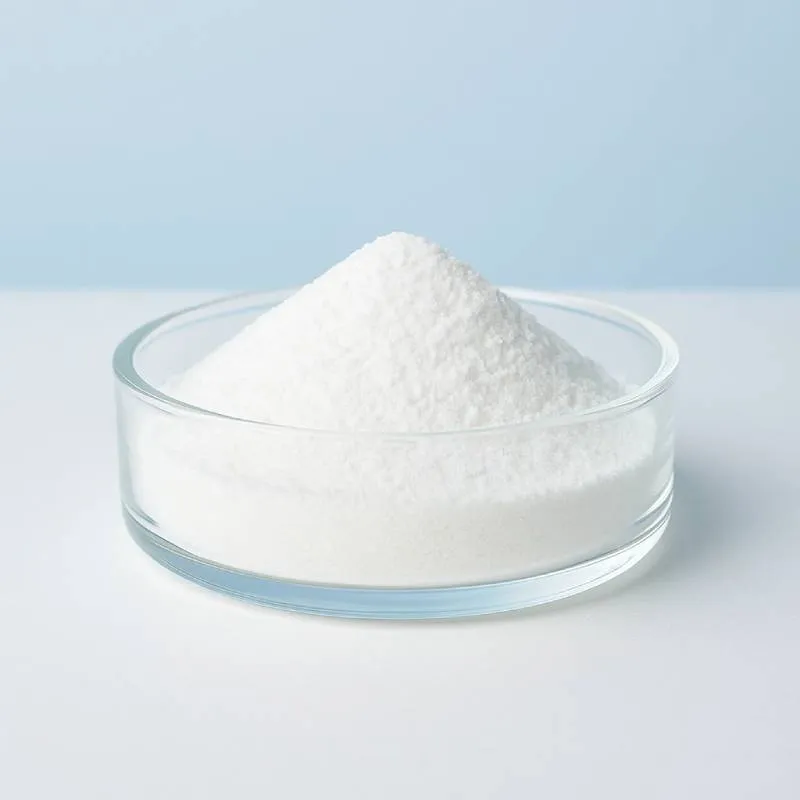
Polygel CA is a functional polymeric gelling agent used to develop clear gels, lightweight serums, emulgels and structured aqueous systems. The ingredient is suitable for cosmetic formulation, skin care, hair care, body care, personal care, selected color cosmetic applications and certain household products where controlled viscosity and consistent texture are essential.
Modern formulation development requires more than simply increasing product thickness. The finished texture should dispense correctly, spread evenly, maintain a uniform appearance and remain appropriate for the selected packaging format. Polygel CA provides formulators with a flexible approach to building water-based textures ranging from fluid serum gels to more structured gel systems.
Depending on the formulation architecture, Polygel CA can serve as a primary gelling material or contribute to a broader rheology control system. Its performance is influenced by processing conditions, neutralization, electrolyte content and interactions with other formulation ingredients.
Polygel CA in Facial Care Formulation
Lightweight textures have become an important part of contemporary skin care development. Gel serums, hydrating gels, facial masks, lightweight fluids and emulgels require carefully controlled rheology to provide convenient application without creating an excessively heavy sensory profile.
Polygel CA can be used to create a structured water-based platform for compatible humectants, botanical extracts, hydrosols, amino acid complexes and other functional cosmetic ingredients. The final composition should always be evaluated as a complete system because acids, salts, electrolytes and concentrated active blends may affect viscosity.
In facial serum development, a controlled gel structure helps limit rapid run-off while preserving smooth application. This makes the ingredient relevant for daily skin care products, targeted formulas and products designed for localized application.
Clear and translucent textures are also widely used in contemporary cosmetic concepts. A visually clean gel can complement minimalist skin care ranges and products packaged in transparent containers, pump bottles or airless systems.
Applications in Hair Care and Scalp Products
Polygel CA can be used in selected hair styling gels, scalp serums and water-based hair care products where controlled flow behavior is required.
In styling formulas, the polymer contributes to the physical structure of the gel. Styling hold, however, depends on the complete formulation and the presence of suitable film-forming ingredients. Polygel CA therefore performs a texture-building role rather than replacing dedicated styling polymers.
For scalp products, carefully adjusted viscosity can improve application along hair partings and help reduce immediate spreading. This is useful for serums, tonics and targeted formulas intended for direct application close to the hair roots.
The polymer may be incorporated into formulations containing compatible humectants, botanical extracts, hydrolyzed materials and conditioning ingredients. Laboratory compatibility testing is important because complex ionic systems can alter the rheological behavior of the finished product.
Body Care and Personal Care Applications
Polygel CA is suitable for body gels, after-shave products, targeted gel formulations, lightweight personal care bases and emulgels. It can help create a consistency that remains easy to spread while providing sufficient structure for controlled dispensing.
In after-shave formulations, the ingredient supports the development of lightweight gel textures that differ from conventional dense cream systems. Compatible moisturizing ingredients and other functional cosmetic materials can be introduced according to the intended formulation concept.
Body care products often require a balance between flow and structure. A formula that is too fluid may be difficult to control during application, while excessive viscosity can reduce spreading performance. Rheology adjustment with Polygel CA allows the formulator to adapt texture to the intended product format and packaging system.
Emulgels represent another useful application area. These hybrid systems combine elements of emulsion and gel technology and are suitable for lightweight cosmetic products where uniformity and controlled flow are important.
Use in Color Cosmetic Products
Polygel CA may be considered as part of the rheology system in selected color cosmetic formulations. Potential applications include gel primers, water-based makeup products and other formulas where controlled viscosity supports uniform product application.
Formulations containing pigments, pearlescent materials or mineral powders require careful stability evaluation. The behavior of suspended particles depends on particle size, density, surface treatment and the composition of the entire continuous phase.
A structured gel environment may support more uniform particle distribution, but the final result depends on the complete formulation. Development testing should include observation of viscosity changes, separation, settling and visual appearance during storage.
For complex decorative systems, the polymer should be evaluated together with suitable dispersing ingredients and other structural materials rather than considered as an isolated solution for every suspension requirement.
Polygel CA in Household Formulation
The potential use of Polygel CA extends beyond personal care. It may be considered for selected household gel products where controlled flow and improved surface retention are required.
This approach can be useful for gel cleaners and other products intended for application to vertical or inclined surfaces. A structured formulation can remain in place longer than a highly fluid system and provide more controlled product distribution.
Household products often contain surfactants, salts and other ionic ingredients. These materials can influence polymer performance, making compatibility testing an essential part of development.
High electrolyte concentration may reduce or alter viscosity depending on the complete formulation. Each household product should therefore be developed and tested individually.
How to Use Polygel CA
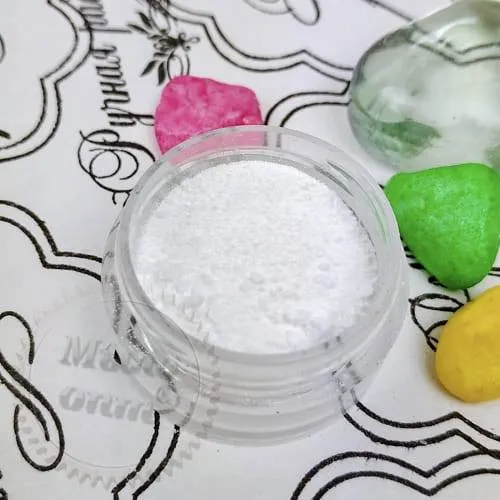
Polygel CA should be introduced gradually into the prepared aqueous phase. The powder should be distributed in small portions across the liquid surface rather than added rapidly into one concentrated area.
Fast addition can result in agglomeration. The outer surface of the polymer may hydrate before water reaches the inner material, creating lumps that are difficult to disperse later in the process.
After dispersion, sufficient time should be allowed for complete hydration. Mixing should be moderate and controlled, avoiding a strong vortex and excessive air incorporation. Entrapped bubbles are particularly visible in clear gel systems and may remain in a viscous product for an extended period.
After hydration, gradual neutralization is performed with a suitable neutralizing agent. During this stage, viscosity develops and the gel network forms. The neutralizing material should be introduced in small portions while the texture is monitored.
For formulations containing multiple active ingredients, botanical extracts or electrolyte sources, it is advisable to prepare a laboratory sample before production scaling. This allows the formulator to evaluate compatibility, processing sequence and viscosity development.
Formulation Example: Lightweight Hydrating Body Gel
Purified water 947 ml
Glycerin 25 g
Polygel CA 5 g
Sorbitol 8 g
Betaine 8 g
Compatible preservative system 5 g
Fragrance composition 2 g
Suitable neutralizing agent as required for the intended gel structure and working pH
Measure the purified water into a clean processing vessel. Slowly distribute Polygel CA over the water surface in small portions. Allow sufficient time for complete polymer hydration before continuing the process.
Mix carefully until a uniform dispersion is obtained while minimizing unnecessary air incorporation.
In a separate vessel, combine glycerin, sorbitol and betaine. Add the mixture gradually to the hydrated polymer dispersion under moderate mixing.
Begin controlled neutralization by adding the selected neutralizing agent in small portions. Observe the development of viscosity and continue processing until a uniform gel structure is formed.
Add the compatible preservative system according to its individual processing requirements. Introduce the fragrance composition after confirming compatibility with the complete formula.
Allow the laboratory sample to stabilize before evaluating appearance, uniformity and viscosity. Appropriate stability testing and packaging compatibility assessment should be completed before commercial production.
Polygel CA in Modern Product Development
Polygel CA provides formulators with a versatile tool for developing contemporary product textures. It is relevant where a clear gel base, controlled viscosity, convenient application and adaptable consistency are required.
The ingredient can be used in skin care, hair care, body care, personal care, selected color cosmetics and certain household formulations. It is suitable for laboratory development, small manufacturing batches and scalable production processes.
The quality of the finished formulation depends on correct dispersion, complete hydration, controlled neutralization and compatibility between all ingredients. When processing conditions are carefully managed, Polygel CA can support the development of clear gels, emulgels and structured water-based systems for a wide range of professional formulation concepts.