-
 Absolutes
-
 Active Complexes
-
 Actives & Peptides
-
 Amino Acids & Proteins
-
 Food Flavors
-
 Ayurvedic Ingredients & Herbs
-
 Vitamins & Coenzymes
-
 Chocolate Making Supplies
-
 Thickeners & Gelling Agents
-
 Hydrosols & Floral Waters
-
 Hydrolyzed Proteins
-
 Fragrance Ingredients
-
 Nutraceutical Ingredients
-
 Acids, Salts, Alcohols & Alkalis
-
 Preservatives & Antioxidants
-
 Cosmetic Ingredients
-
 Colorants, Micas & Glitters
-
 Masks, Scrubs & Botanicals
-
 Oils & Butters
-
 Candle Making Supplies
-
 Melt and Pour Soap Bases
-
 Cream, Lotion & Hair Care Bases
-
 Fragrance Oils & Industrial Aromatics
-
 Cleansing Agents & Surfactants
-
 Peeling Actives & Acids
-
 Cosmetic Powders
-
 Solvents & Humectants
-
 Silicones & Conditioning Agents
-
 Bottles, Jars & Vials
-
 Silicone & Plastic Molds, Tools
-
 Botanical Extracts
-
 Cosmetic Emollients
-
 Emulsifiers
-
 Essential Oils
- Gel Food Coloring Wholesale 39
- Cosmetic Pigments Wholesale 17
- Lipstick Pigments Wholesale 40
- Chocolate Colorants Wholesale 10
- Liquid Migrating Dyes Wholesale 24
- Oil Soluble Liquid Dyes Wholesale 17
- Liquid Ultra Pigments Wholesale 11
- Food Coloring Powders Wholesale 20
- Phosphors and Luminescent Powders Wholesale 21
- Natural colorants Wholesale 39
- Liquid Pearl Pigmen Wholesale 13
- Pearlescent Pigments Wholesale 222
- Liquid Pigments Wholesale 37
- Wholesale synthetic dyes 9
- Blended colorants Wholesale 33
- Oil Soluble Dye Powders Wholesale 11
- Pigment Powders Wholesale 16
- Fluorescent Neon Pigments Wholesale 55


Food Coloring Powders Wholesale
 Add to cart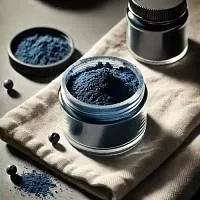

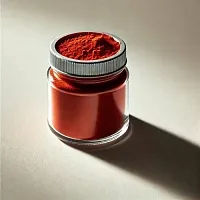
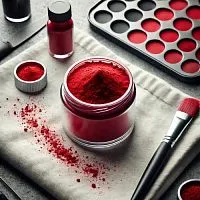
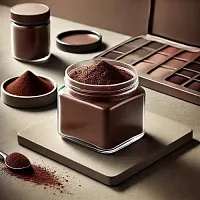


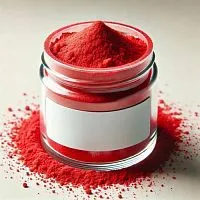
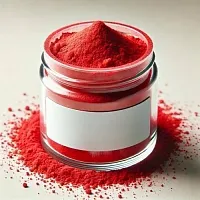
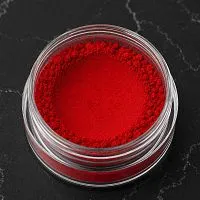
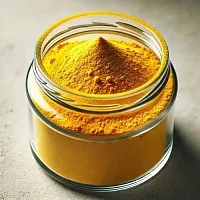


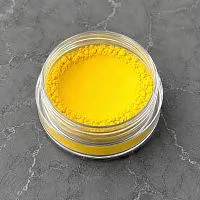
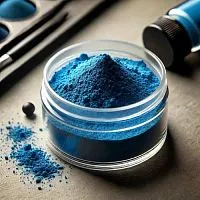
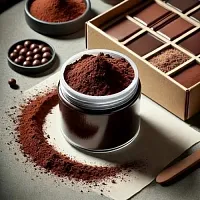
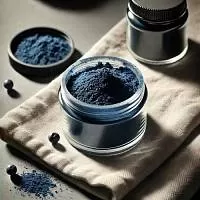
Concentrated powder pigments for tinting formulations
Dry food coloring powders are finely milled pigment concentrates used to introduce controlled, even color into a wide range of formulations. Supplied as a stable powder rather than a liquid, they disperse gradually into a base and allow a formulator to build shade intensity step by step rather than committing to one fixed tone from the first drop.
These powders find use well beyond a single product type. Formulators blend them into bath bombs, bath salts, scrub bases, body powders, and layered cosmetic compositions where a dry pigment integrates more predictably than a liquid dye. Because the color is anhydrous, it also suits oil-based and low-moisture mixtures where liquid dyes would introduce unwanted water content or cause premature separation.
For formulators comparing dispersion behavior across pigment types, it is worth reviewing liquid migrating dyes and liquid pigments as alternatives when a formula calls for a wet-dispersed colorant instead of a dry one.
Shade Range and Formulation Differences
Within this category, shades are organized by the visual effect they create rather than by a single application. Chocolate Color Powder 1 kg and Brown Color Powder 1 kg deliver warm, earthy tones that work as a base shade or a modifier layered under brighter pigments to soften an overall composition.
Cooler and more saturated shades sit at the other end of the range. Brilliant Blue Color Powder 1 kg and Indigo Carmine E132 Food Color 1 kg both sit in the blue spectrum but disperse with slightly different undertones, which matters when a formulator is matching a specific batch to a previous one. Green Apple Color Powder 1 kg gives a crisp, high-visibility green suited to compositions where a fresh, saturated tone needs to read clearly through a translucent or semi-opaque base.
Warm reds and yellows round out the palette. Tartrazine Color Powder, 1 kg produces a clean yellow commonly used to warm up a blend or build toward orange when combined with a red powder, while Ponceau Color Powder 1 kg gives a strong pink-red base that holds its intensity well in low-moisture mixtures.
Selecting a Shade and Building a Formula
Choosing between these powders starts with the base itself. Oil-heavy or anhydrous mixtures favor a dry pigment because it disperses without introducing extra moisture, which keeps a formula stable and prevents premature separation during storage.
Intensity is built gradually rather than fixed from the outset. Formulators typically start with a small fraction of the total batch weight, blend thoroughly, and add more only if the shade needs deepening, which avoids overshooting a target tone. This step-by-step approach is part of why dry pigments are favored over liquid dyes in compositions where color consistency across a production run matters.
Combining two or more powders from this range, such as a blue and a yellow, or a red and a brown, lets a formulator reach custom intermediate shades without sourcing a separate colorant for every tone. For a broader look at how dry pigments compare with wet-dispersed options, the Pigment Powders Wholesale section groups related dry colorants for side-by-side comparison.
Origin and Storage
Powders in this range are sourced from suppliers in India and the United States, reflecting established production regions for concentrated pigment manufacturing.
Because these are dry, low-moisture concentrates, they store well in a cool, dry environment away from direct light, which helps preserve both color strength and consistency between batches over time.
FAQ
What is the difference between dry powder pigments and liquid colorants for cosmetic formulations
Dry powder pigments are anhydrous concentrates that disperse gradually into a base, letting a formulator build shade intensity in stages. Liquid colorants are pre-dispersed and blend faster but can introduce moisture, which may affect oil-based or low-water formulas where a dry pigment performs more predictably.
Can these powders be used in oil-based formulations
Yes, because the pigments are supplied dry with no water content, they mix well into oils, butters, and low-moisture bases without causing separation or destabilizing the emulsion, which makes them suitable for a wide range of anhydrous cosmetic and decorative compositions.
How should powder pigments be stored to keep their color stable
Keep containers tightly sealed, away from direct light, heat, and humidity. Moisture exposure is the main cause of clumping and shade drift in powder pigments, so a cool, dry storage area helps maintain consistent color output batch after batch.
How much powder pigment should be added to a formulation
There is no single fixed ratio, since shade intensity depends on the base and desired effect. Formulators typically start with a small amount and add gradually, testing the mixture at each stage until the target color depth is reached, then keep that ratio for future batches.
Recommendations
When choosing a powder pigment, match the shade concentration to your base type and test a small batch before scaling up, since color intensity can shift depending on oil content, moisture, and mixing method. Compare a few related shades side by side to see how each disperses in your specific formulation. For bulk orders or questions about a particular batch, reach out to our team by email and we will help you select the right option for your production needs.


