Reliable Brown Tone for Batch and Industrial Production Lines
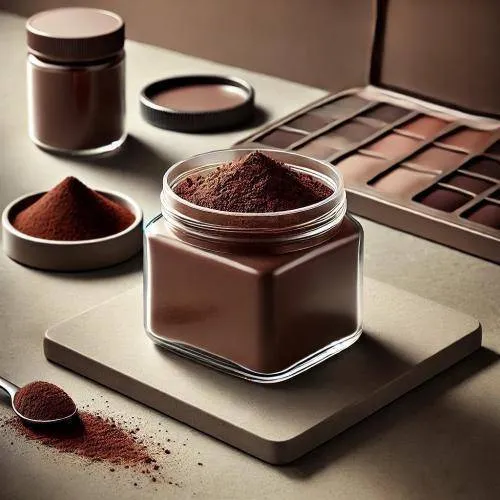
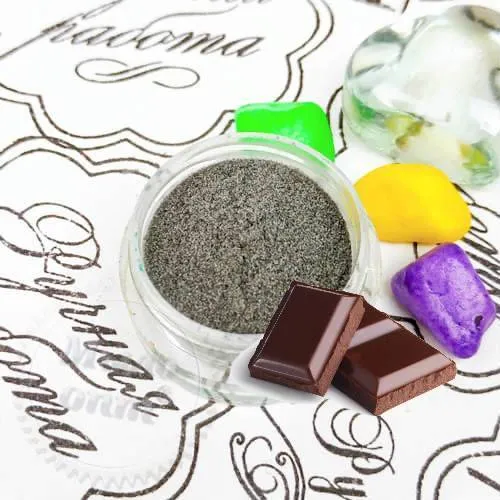
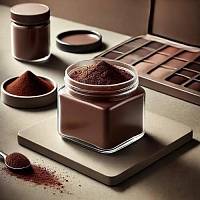
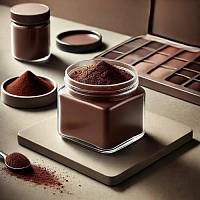
This dry brown color powder in a 1 kg pack belongs to the Pigments section and delivers a stable, consistent brown shade that does not migrate or fade once cured into the final product. A kilogram pack is typically chosen by workshops and small manufacturers who need repeatable color results across multiple batches rather than a single trial run. The strongest global demand for this type of powder comes from the candle industry, where brown shades imitate wood, leather, coffee and chocolate tones, as well as from decorative concrete, gypsum casting and polymer clay production. Find more dry food color powders in the Food Coloring Powders Wholesale section.
Beyond candles, the powder is widely used for coloring artificial stone panels, tinting epoxy and polyurethane resins, pigmenting construction grouts and mortars, and in leather finishing and textile printing. In cosmetic manufacturing the same brown powder finds use in bronzing products and corrective face powders alongside several secondary applications in other industries. Thanks to its strong tinting strength, the powder disperses well even in dense or viscous bases once it is properly incorporated without clumping.
For even coloring, introduce the powder gradually starting from around 0.1-1% of the total base weight and increase the amount step by step until the desired depth of color is reached. In wax blends the pigment should be added during melting at 60-80 degrees Celsius, stirring thoroughly until all particles dissolve. For gypsum and concrete mixes, blend the dry powder with the other dry components before adding water, which gives a more uniform color throughout the cured mass. In epoxy and polyurethane systems, mix the pigment into part A before combining it with the hardener.
Brown powder blends well with other dry and fat-soluble colorants to build custom shades: adding a small amount of Bright Yellow Color Powder (fat-soluble)
produces warm nutty and honey tones, while combining it with Violet Color Powder (fat-soluble) gives a deeper, chocolate-like result. For oil and wax bases requiring full dissolution without sediment, it is convenient to keep Brown Color Powder (fat-soluble) on hand as well.
Store the powder in a tightly sealed container, away from direct sunlight and moisture, to preserve its tinting strength for the full shelf life. Before committing to a large batch, it is advisable to run a small test pour to confirm the exact dosage and compatibility with the chosen base.
Rustic Wood-Tone Container Candles
Soy wax 500 g
Coconut wax 300 g
Brown color powder 4 g
Sandalwood fragrance oil 25 ml
Wicks pre-tabbed 6 pieces
Melt the soy and coconut wax together in a double boiler until fully liquid, then sift in the brown powder while stirring continuously to break up any clumps until the color is fully even. Remove from heat, let the mixture cool slightly, blend in the sandalwood fragrance oil, pour into containers with centered wicks, and allow the candles to set at room temperature for at least twelve hours before trimming the wicks.
Frequently asked questions
How to disperse this rich brown powder evenly in an aqueous phase?
Mix a small portion of the powder with glycerin first to form a smooth paste. Add the paste gradually to the main water-based mixture while stirring. Always test the shade on a small batch before scaling up.
What bases work with this 1 kg brown food color powder?
It performs well in water, aqueous phases and glycerin. The color remains stable without migration in compatible mixtures. Avoid adding directly to dry ingredients without prior dispersion.
Where should the 1 kg pack of brown dye be kept until October 2028?
Store it in a cool dry place inside a tightly closed container. Minor caking may occur but does not affect performance. A COA is available upon request.
Who benefits most from the 1 kg size of this brown colorant?
The 1 kg pack suits studios or small-scale production runs needing consistent batches. It supports repeated use across multiple projects. First-time users may prefer smaller trial sizes.