Why Manufacturers Rely on This Bright Yellow Powder for Batch Production
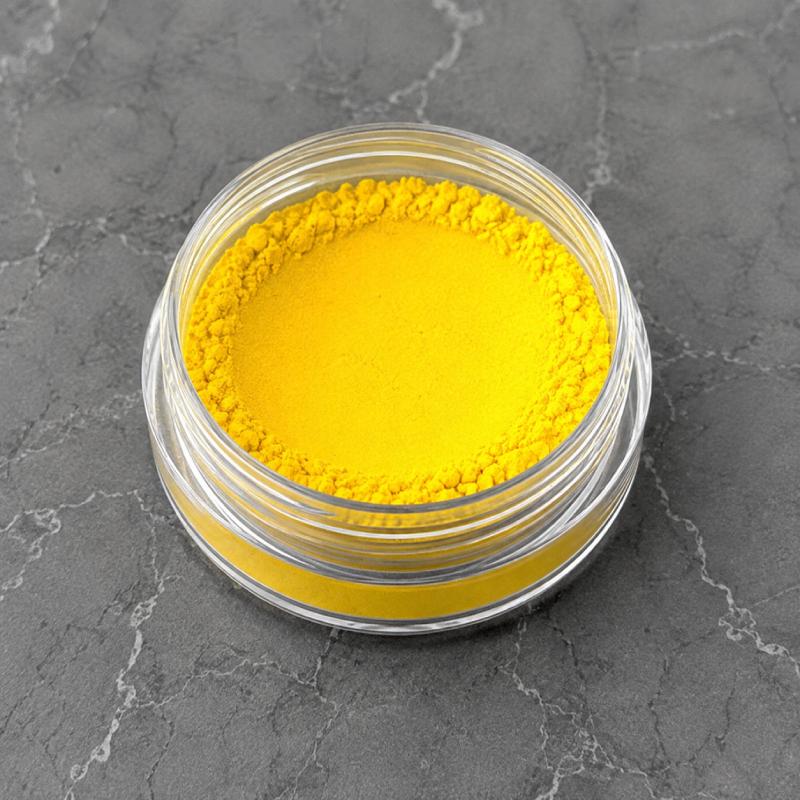
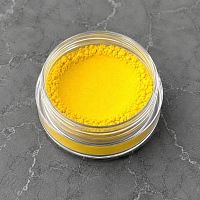
Tartrazine is one of the most widely used synthetic yellow colorants across the global food industry, valued for tinting soft drinks, confectionery, jellies, ice cream, sauces, and seasonings, as well as pharmaceutical tablet and capsule coatings. This item belongs to the Dry Food Colorants category, which brings together shade-stable, light-resistant pigments suited for both industrial lines and smaller production runs. See additional shades and formats listed under Food Coloring Powders Wholesale.
The 1 kg pack size is aimed mainly at conveyor-line and serial manufacturing, where a predictable batch of raw material without shade drift between deliveries matters most. This volume suits beverage plants, confectionery factories, dry-mix producers, and labs testing formulas before scaling up. The powder dissolves readily in water and hydro-alcoholic solutions, making it convenient to introduce into liquid and semi-solid bases at various stages of processing.
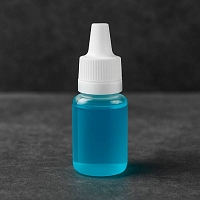
In practice, tartrazine is frequently combined with other shades to build greens, oranges, and complex composite colors. Blending it with a blue pigment such as Blue Color Powder 5 g produces a rich green tone for drinks and desserts, while pairing it with Orange Color Powder 5 g deepens a warm amber tint in syrups and caramel. For muted, earthy notes in chocolate or nut-based confectionery masses, technologists sometimes add a touch of Brown Color Powder 5 g to fine-tune the final color of the product.
Typical dosage ranges from 0.01 to 0.5 gram per kilogram of finished product, depending on the desired color intensity and the type of base. It is best introduced during preparation of the liquid phase, at temperatures not exceeding 60-70 degrees, after pre-dissolving the powder in a small amount of warm water to prevent clumping and uneven distribution throughout the mass. When working with hot syrups and caramel, the colorant can be added near the end of cooking to minimize thermal degradation and preserve brightness.
Beyond food processing, tartrazine is also used in household chemical production for coloring liquid detergents and gels, as well as in certain segments of decorative cosmetics for creating yellow and composite shades in water-based formulations. Thanks to its strong tinting power, material consumption stays economical even at industrial production volumes.
Store the colorant in a dry area away from direct sunlight, in a tightly sealed container, to prevent moisture absorption and caking of the powder. When storage conditions are respected, the product keeps stable tinting properties over a long period, which matters greatly for facilities working with large raw material batches and planning regular procurement.
Bulk Batch Citrus Soda Syrup
Purified water 10000 ml
Sugar 1250 g
Citric acid 22 g
Tartrazine 3 g
Citrus flavoring 14 ml
Heat
the water to about 50 degrees and dissolve the sugar and citric acid
completely, then separately dissolve the tartrazine in 100 ml of warm water and
stir it into the main solution until fully blended. Once the syrup has cooled
to room temperature, add the citrus flavoring, mix thoroughly, and transfer to
storage containers for later dilution with carbonated water before bottling.
Frequently asked questions
How to check COA for this 1 kg yellow food dye batch?
Request the document directly from the supplier before large-scale use. It verifies compliance for coloring drinks, sauces and confectionery. The powder form ensures consistent tint across deliveries.
What bases accept the yellow tint powder besides water?
It dissolves in glycerin and aqueous phases for even distribution in desserts and mixtures. Start with small additions and test color intensity on a sample batch before full production.
Where to keep the pack until 06.2028?
Store in a dry cool location inside the closed container. Minor caking does not affect performance. This method maintains shade stability for industrial batches.
Is the 1 kg size practical for testing new yellow recipes?
Yes, it suits labs scaling up formulas and confectionery workshops needing uniform color. The quantity supports series production without shade variation between lots.