-
 Absolutes
-
 Active Complexes
-
 Actives & Peptides
-
 Amino Acids & Proteins
-
 Food Flavors
-
 Ayurvedic Ingredients & Herbs
-
 Vitamins & Coenzymes
-
 Chocolate Making Supplies
-
 Thickeners & Gelling Agents
-
 Hydrosols & Floral Waters
-
 Hydrolyzed Proteins
-
 Fragrance Ingredients
-
 Nutraceutical Ingredients
-
 Acids, Salts, Alcohols & Alkalis
-
 Preservatives & Antioxidants
-
 Cosmetic Ingredients
-
 Colorants, Micas & Glitters
-
 Masks, Scrubs & Botanicals
-
 Oils & Butters
-
 Candle Making Supplies
-
 Melt and Pour Soap Bases
-
 Cream, Lotion & Hair Care Bases
-
 Fragrance Oils & Industrial Aromatics
-
 Cleansing Agents & Surfactants
-
 Peeling Actives & Acids
-
 Cosmetic Powders
-
 Solvents & Humectants
-
 Silicones & Conditioning Agents
-
 Bottles, Jars & Vials
-
 Silicone & Plastic Molds, Tools
-
 Botanical Extracts
-
 Cosmetic Emollients
-
 Emulsifiers
-
 Essential Oils
- Absolutes Wholesale 87
- Active Complexes for Cosmetics Wholesale 390
- Amino Acids & Proteins Wholesale 90
- Antioxidants Wholesale 293
- Ayurvedic Powders Wholesale 273
- Biocides Wholesale 16
- Thickeners and Gelling Agents in Bulk 112
- Bulk Hydrosols for Cosmetics 10
- Hydrocolloids in Bulk 5
- Hydrolyzed Proteins Wholesale 106
- Aromatic Fragrant Waters Wholesale 27
- Fragrance Ingredients Bulk 168
- Preservatives & Antioxidants Wholesale 157
- Corneotherapy Wholesale 10
- Cosmetic Clay Wholesale 14
- Neutralizers/pH Correctors Wholesale 17
- Surfactants Wholesale 144
- Cosmetic Peelings Wholesale 77
- Cosmetic Powders Wholesale 403
- Silicones and Conditioning Surfactants for Hair Wholesale 116
- Resins and Resinoids Wholesale 17
- UV and SPF Filters Wholesale 84
- Cosmetic Emollients Wholesale 132
- Emulsifiers Wholesale 328
- Enzymes, Filtrates and Lysates in Bulk 35
Thickeners and Gelling Agents in Bulk

 Add to cart




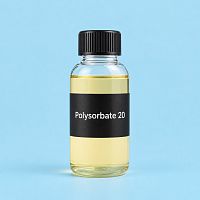

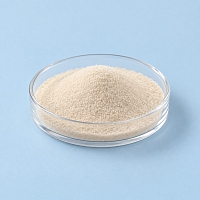


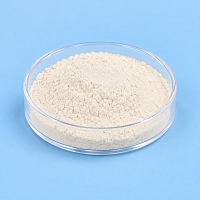
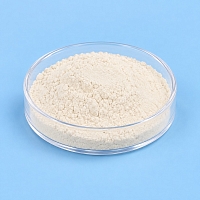
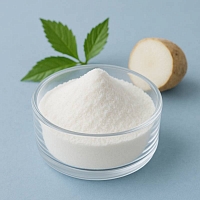
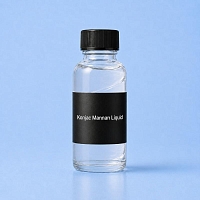

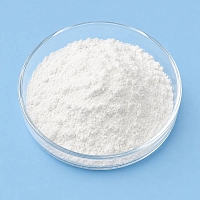


Rheology modifiers for creams gels and serums
This section covers thickeners and gelling agents used to build viscosity, stabilize emulsions and create gel textures in cosmetic formulations. The range includes cellulose derivatives, natural gums, carbomers, clay based thickeners and polymer gelling agents suited for water phase and oil phase systems alike. Formulators use these raw materials to control flow, spreadability and the final sensory feel of a finished product.
Beyond simple thickening, these ingredients help stabilize emulsions, suspend particles evenly and give lotions, gels and serums a consistent structure batch after batch. They are also used to adjust the texture of shampoos, conditioners and cleansing gels, where viscosity directly affects how a product pours and performs on skin or hair. Some grades work well alongside preservative systems, which is why formulators often review preservatives and antioxidants at the same time when building a stable water based recipe.
Many gelling agents also pair naturally with hydrosols in light gel formulas, so mixing in aromatic fragrant waters is a common approach for fresh, lightweight textures. Industrial producers rely on these thickeners for large batch consistency, while home based formulators use the same raw materials in smaller trial recipes.
Cellulose gums polymer thickeners and setting agents
Not every thickener behaves the same way in a formula, and this section groups several distinct chemistries together. Guar Gum and Xanthan Gum are natural polysaccharides that build viscosity quickly in water phases and give shampoos and gels a smooth, pourable body. Carbopol Ultrez-21 and similar acrylic polymers work differently, forming clear gel networks that carry active ingredients in serums without dulling clarity. Cellulose derivatives such as Carboxymethyl Cellulose and Hydroxyethyl Cellulose offer film forming properties useful for conditioning gels and lotions with a slippery, silky glide.
Setting agents form a separate group within the same category. Agar-Agar 1200 and Agar-agar 1100 differ mainly in gel strength, letting formulators choose a firmer or softer set for balm like textures and solid gel masks. Gelatin and Pectin bring a different set profile, often chosen when a softer, more elastic gel structure is needed rather than a rigid one. Polygel CA and Anion-gel round out the range as ready adjusted gelling systems that simplify batching for producers who want fewer variables to test.
Choosing a thickener and building compatible formulas
The right choice depends on the phase being thickened, the target texture and the pH of the final product. Acrylic gelling agents generally need neutralization and perform best in clear, low electrolyte formulas, while gums and cellulose types tolerate a wider range of conditions and are easier to combine with active complexes and humectants. Formulators building a stable emulsion often check the Emulsifiers Wholesale section alongside a thickener, since the two work together to hold oil and water phases in place over the shelf life of a product.
Sensory feel is another practical criterion. A cellulose gum tends to leave a lighter, less tacky film than a natural gum at the same concentration, which matters for facial serums where a heavy after feel is undesirable. Testing small batches at varying percentages before scaling up remains the most reliable way to confirm how a given thickener behaves once other ingredients, oils, actives and fragrance are added to the mix.
Origin, packaging and storage
Raw materials in this range come from a mix of established chemical and biotechnology producers, with supply origins including Germany, Spain, Czechia, the United States, China, Switzerland, France and Italy depending on the specific grade. Most thickeners and gelling agents are supplied in sealed containers of one kilogram, suited for both small trial batches and larger production runs.
Storage conditions matter for consistency between batches. Powdered gums, cellulose derivatives and gelling agents should be kept in a cool, dry place, tightly sealed after each use, since moisture uptake can change how quickly a powder disperses and hydrates in the next formulation.
FAQ
What is the difference between carbomer and cellulose based thickeners in cosmetic formulas
Carbomers build clear, elastic gels and thicken efficiently at low use levels, while cellulose derivatives give a softer, more slippery texture and tolerate a wider pH range. Formulators choose between them based on the desired sensory feel, clarity and compatibility with other ingredients in the recipe.
How much thickener should be added to a cream or gel base
Usage levels vary widely by ingredient type, typically from around 0.1 percent for high efficiency polymers to several percent for natural gums or clay based thickeners. It is best to start with a small trial batch, add gradually and check viscosity as the formula cools before finalizing the amount.
Can rheology modifiers be used together in one formulation
Yes, combining a gum or cellulose derivative with a polymer gelling agent is a common way to fine tune texture, improve stability and prevent syneresis. Blending different thickener types often gives better suspension and a smoother finish than relying on a single ingredient alone.
How should thickening agents and gelling powders be stored
Keep these raw materials in their original sealed packaging, away from moisture, direct sunlight and heat sources. Powders are especially sensitive to humidity, which can cause clumping, so a dry storage area with stable room temperature helps preserve consistency and shelf life.
Do these thickeners work in both water based and oil based systems
Most gums, cellulose derivatives and carbomers are designed for water phase systems, while certain clay based and polymer thickeners can also structure oil phases or anhydrous blends. Checking the specific grade and its intended phase compatibility helps match it correctly to a formulation.
Recommendations
When choosing a thickener or gelling agent, start from the texture you want to achieve and the phase of your formula, water based, oil based or a full emulsion, since not every raw material performs the same way across systems. Consider the required viscosity, clarity, pH tolerance and how the ingredient behaves alongside actives already in your recipe, then confirm compatibility with a small test batch before scaling production. For larger or recurring orders, our team can advise on suitable grades and pack sizes for your specific formulation goals. Reach out by email to discuss your requirements and place an order.



