Worldwide delivery  |  Free delivery in all Ukraine from 1899 UAH
Product catalog
Master classes, recipes, tips
AMIGEL rheology guide: Sclerotium Gum in gels emulsions and suspensions
A comprehensive technical formulation guide dedicated to managing rheology in cosmetics using the natural polysaccharide AMIGEL (Sclerotium Gum). This article explores the physical mechanisms of polymer hydration and network formation for structuring clear gels, light emulsions, and particle-suspending fluids. It covers pre-dispersion in polyols, electrolyte stability, shear rate handling, incompatibility limits, thermal limits, and precise pH controls. Features three complete DIY recipes with step-by-step compounding instructions and cold storage standards.
Natpure Film AP: natural film-forming technology for skin color cosmetics and hair
A comprehensive technical formulation guide dedicated to utilizing the bio-based film former Natpure Film AP (derived from sugar cane) in color cosmetics and hair care. This article breaks down the physical mechanics of flexible film creation, moisture resistance, and pigment adhesion enhancement. It covers aqueous dissolution protocols, compatibility with natural polymers and gums, thermal boundaries, and precise pH controls. Features three complete DIY recipes with step-by-step compounding instructions and storage standards.
ViableCare LipoCare 8: integrating a liposomal ceramide complex into barrier-care formulas
A comprehensive technical formulation guide to designing skin barrier restoration creams and liposomal fluids using ViableCare LipoCare 8. This article breaks down the physiological mechanism of ceramide integration into stratum corneum lipids to stop transepidermal water loss. It details exact processing protocols to protect liposomal structures, low-shear cooling phase entry below thirty degrees Celsius, emulsifier compatibility, and pH boundaries. Features three complete DIY recipes with step-by-step compounding instructions and cold storage standards.
Product Description

Modern preservative systems and active antimicrobial agents must deliver robust protection against a wide range of micro-organisms while satisfying clean label standards and high safety expectations. Tinosan SDC is a highly stable, water-soluble antimicrobial complex created through a synergistic combination of silver ions stabilized with citric acid. Unlike traditional synthetic preservatives, this bio-active silver citrate complex operates through a unique dual mechanism: silver ions interact with microbial cell proteins and cell membranes to disrupt metabolic processes, while citric acid facilitates efficient ion transport across cell walls. This ensures powerful broad-spectrum antimicrobial activity against Gram-positive and Gram-negative bacteria, molds, fungi, and yeasts at remarkably low operational concentrations.

Global chemical suppliers and formulation labs recognize silver-based active complexes as top-tier, eco-friendly alternatives to parabens, halogenated compounds, and formaldehyde donors. Its rapid speed of kill, high efficacy across a wide pH range, and excellent solubility in water make it a staple ingredient for both large-scale industrial beauty production and specialized artisanal laboratories targeting high-performance preservation and active antibacterial claims.

Multi-Industry Applications and Tactical Role for Formulators

In functional cosmetics and personal care products, Tinosan SDC acts as both a formula preservative and a functional active ingredient. In deodorant preparations, it inhibits odor-causing bacteria without disturbing natural skin microflora or causing skin irritation. In anti-acne formulations, facial cleansers, and purative masks, it suppresses bacterial colonization, soothing inflammation and promoting a clearer complexion. In hair care, it regulates scalp microflora, helping control dandruff and scalp irritation.

Beyond personal cosmetics, this versatile antimicrobial complex finds extensive use in handcrafted soap manufacturing, where it stabilizes liquid soap bases, shower gels, and intimate washes against bacterial contamination. The household chemical industry utilizes its antibacterial power in surface sanitizers, dishwashing detergents, ambient spray purifiers, and fabric fresheners. In topical pharmaceutical and dermatological products, it serves as a mild yet effective barrier component in protective creams, wound-care gels, and sanitizing ointments. While not intended for core food synthesis, it provides hygienic benefits in food-adjacent processing surface cleaners and commercial sanitizing washes. In perfumery and body mists, its odorless and water-clear physical profile allows fine fragrances to retain their true scent notes without aromatic distortion.

Formulators and cosmetic chemists value Tinosan SDC for its cold-process capability, enabling straightforward incorporation into the water phase without thermal degradation. Its synergistic nature allows it to work harmoniously with chelating agents, non-ionic surfactants, and traditional bio-based preservatives, significantly lowering the overall preservative load required in complex emulsions.

Purifying Antibacterial Facial Gel

Purified water - eighty-four milliliters

Xanthan gum - one gram

Glycerin - five milliliters

Aloe vera gel - eight milliliters

Tinosan SDC - one milliliter

Chamomile hydrosol - one milliliter

In a sanitized glass beaker, disperse the xanthan gum evenly into the glycerin to form a smooth, lump-free slurry. Slowly pour the purified water and chamomile hydrosol into the slurry while stirring constantly until a uniform, clear gel structure develops. Blend in the aloe vera gel until fully incorporated. Finally, add the Tinosan SDC dropwise into the cold gel mixture, agitating gently to ensure homogeneous dispersion throughout the batch. Transfer the finished product into a sterile pump dispenser bottle.

The resulting facial gel possesses a clear, cooling, and lightweight texture that glides smoothly across the skin without leaving sticky residues. Upon application, it provides immediate soothing hydration, leaves a clean matte finish, and maintains long-lasting antimicrobial surface protection to keep skin balanced and refreshed.

Characteristics:
INCI Citric Acid (and) Silver Citrate
Other
Application Oil-based serums, creams, emulsions, anti-aging concentrates, products for dull skin, cosmetics for uneven skin tone, products for the eye area, body lotions, care oils
Att brand Germany
Color product Colorless
Dosage 0,1–0,3%
Features All information presented on the site is for reference only
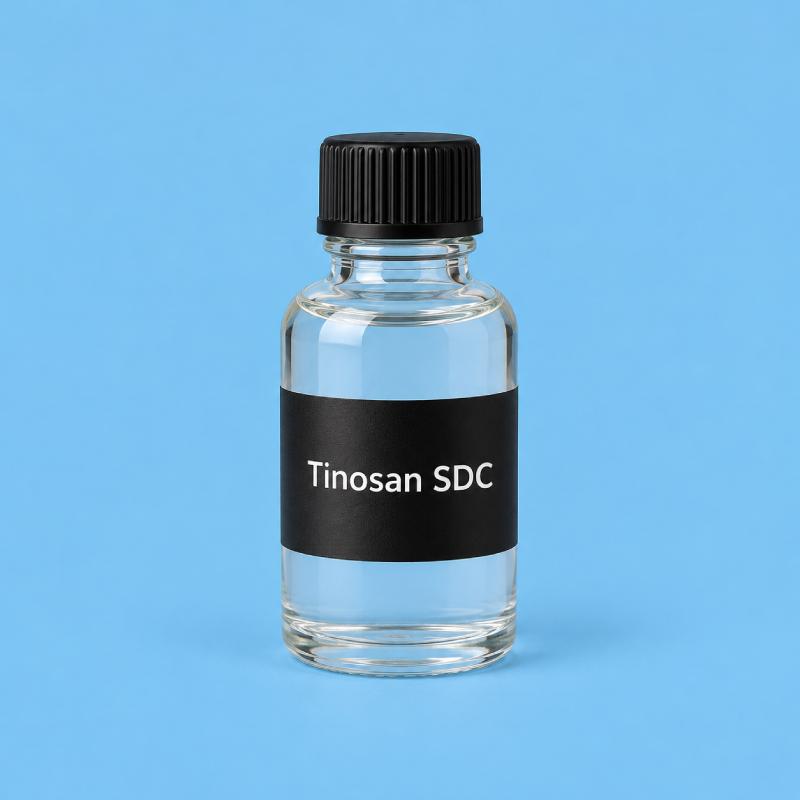
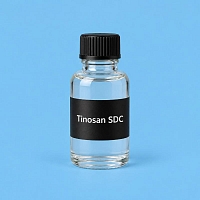
Name Tinosan SDC 100 ml
Other names Silverion 2400, Silver Citrate Preservative, Silver Dihydrogen Citrate, Stabilized Silver Complex, Tinosan SDC as a historical trade name
Packaging container for transportation
Properties Broad spectrum antimicrobial activity, good water solubility, no migration into the oil phase of the emulsion, low working concentration, compatibility with many non-ionic and anionic components
Purpose Protects water-based cosmetic formulas from microbial contamination, reduces the growth of odor-associated microorganisms, and maintains the microbiological stability of personal care products. Applications: Creams, lotions, serums, gels, mists, deodorants, shower gels, shampoos, liquid cleansers, and household water-based formulations
Solubility in the water
Type Water-soluble antimicrobial preservative and deodorizing active
View transparent liquid
Valid until 10.2028
Add a review
Your score:
Send feedback
Error

Close window
Product added to cart
Total:
Request the price of the product
Fill in the details for the price request
Request a price Request a price