Worldwide delivery  |  Free delivery in all Ukraine from 1899 UAH
Product catalog
Master classes, recipes, tips
AMIGEL rheology guide: Sclerotium Gum in gels emulsions and suspensions
A comprehensive technical formulation guide dedicated to managing rheology in cosmetics using the natural polysaccharide AMIGEL (Sclerotium Gum). This article explores the physical mechanisms of polymer hydration and network formation for structuring clear gels, light emulsions, and particle-suspending fluids. It covers pre-dispersion in polyols, electrolyte stability, shear rate handling, incompatibility limits, thermal limits, and precise pH controls. Features three complete DIY recipes with step-by-step compounding instructions and cold storage standards.
Natpure Film AP: natural film-forming technology for skin color cosmetics and hair
A comprehensive technical formulation guide dedicated to utilizing the bio-based film former Natpure Film AP (derived from sugar cane) in color cosmetics and hair care. This article breaks down the physical mechanics of flexible film creation, moisture resistance, and pigment adhesion enhancement. It covers aqueous dissolution protocols, compatibility with natural polymers and gums, thermal boundaries, and precise pH controls. Features three complete DIY recipes with step-by-step compounding instructions and storage standards.
ViableCare LipoCare 8: integrating a liposomal ceramide complex into barrier-care formulas
A comprehensive technical formulation guide to designing skin barrier restoration creams and liposomal fluids using ViableCare LipoCare 8. This article breaks down the physiological mechanism of ceramide integration into stratum corneum lipids to stop transepidermal water loss. It details exact processing protocols to protect liposomal structures, low-shear cooling phase entry below thirty degrees Celsius, emulsifier compatibility, and pH boundaries. Features three complete DIY recipes with step-by-step compounding instructions and cold storage standards.
Product Description

Calcium Phosphate: A Versatile Ingredient for Cosmetic Formulations

Calcium phosphate, encompassing various calcium salts of phosphoric acid, is a widely used ingredient in diverse industries, including cosmetics. While the provided information mentions dicalcium phosphate as the most popular form, the product being sold is specified as tricalcium phosphate (Tricalcium Phosphate or TCP). This description will focus on the cosmetic applications of tricalcium phosphate. This white or slightly grayish powder offers several benefits in cosmetic formulations, primarily as an abrasive, filler, and stabilizer.

Why Choose Tricalcium Phosphate for Cosmetics?

  • Gentle Abrasion (in Toothpastes): Tricalcium phosphate provides effective yet gentle cleaning action in toothpastes, helping to remove plaque and surface stains without causing excessive abrasion to tooth enamel.
  • Filler and Texturizer: In decorative cosmetics, it acts as a filler, improving the texture and application of powders, eyeshadows, and other similar products. It creates a smoother, more even application.
  • Formula Stabilization: Tricalcium phosphate can contribute to the stability of cosmetic formulations, helping to prevent separation and maintain a consistent texture over time.

Applications of Tricalcium Phosphate in Cosmetics:

Tricalcium phosphate finds its primary cosmetic applications in:

  • Oral Care (Toothpastes and Tooth Powders): This is where it is most widely used in concentrations from 20% to 50%.
  • Decorative Cosmetics (Powders, Eyeshadows, Blushes): Here, it is used in much lower concentrations, typically ranging from 1% to 10%.

Detailed Breakdown of Cosmetic Applications:

  • Toothpastes and Tooth Powders: Tricalcium phosphate functions as a mild abrasive, aiding in the mechanical removal of plaque, food debris, and surface stains from teeth. It is crucial that the abrasivity is controlled to prevent damage to the enamel. The particle size of the tricalcium phosphate used in toothpastes is carefully controlled to achieve this balance between cleaning efficacy and gentleness.
  • Face and Body Powders: In loose and pressed powders, tricalcium phosphate acts as a filler and texturizer. It improves the flow and spreadability of the powder, creating a smoother, more even application on the skin. It also contributes to the opacity and coverage of the powder.
  • Eyeshadows and Blushes: Similar to its use in face powders, tricalcium phosphate in eyeshadows and blushes helps to create a smooth, blendable texture and improves color payoff. It can also contribute to the adherence of the product to the skin.

Cosmetic Recipe: Homemade Tooth Powder

  • Ingredients:

    • 30g Tricalcium Phosphate
    • 10g Baking Soda (Sodium Bicarbonate)
    • 5g Xylitol (natural sweetener and anti-caries agent)
    • A few drops of Peppermint Essential Oil (for flavor and breath freshening – use with caution and dilute well)
  • Instructions:

    1. Thoroughly mix all dry ingredients in a clean, dry container.
    2. Add the essential oil drop by drop, mixing well after each addition to ensure even distribution.
    3. Store in an airtight container.

Recommendations for Use (Tricalcium Phosphate in Cosmetics):

  • Particle Size: The effectiveness and safety of tricalcium phosphate in toothpastes are highly dependent on the particle size. Using excessively large particles can lead to enamel abrasion.
  • Concentration: Adhere to the recommended usage levels (20-50% in toothpastes, 1-10% in decorative cosmetics). Exceeding these levels could potentially lead to issues such as excessive abrasion in oral care products or a dry, cakey texture in powders.
  • Patch Test (for Decorative Cosmetics): Although generally considered safe, it is always recommended to perform a patch test when using a new cosmetic product, especially if you have sensitive skin.
  • Solubility: Due to its poor solubility in water, tricalcium phosphate is typically used in anhydrous (water-free) formulations like powders or in suspensions within toothpastes.
  • Testing for Sensitivity: As mentioned in the original product information, testing for individual sensitivity is recommended before widespread use.

Worldwide Delivery: We deliver worldwide.

Characteristics:
INCI Tricalcium Phosphate
Other
Application Cosmetics: Abrasive in toothpastes and powders. Dicalcium phosphate helps to gently clean tooth enamel without damaging it. Filler in decorative cosmetics (powders, eyeshadows), improves texture and facilitates distribution on the skin. Formula stabilizer, helps maintain homogeneity and improves the consistency of the product. Pharmaceuticals: Used as a filler for tablets. Provides good binding properties and helps maintain the strength of tablets. Often used in vitamin and mineral supplements. Food industry: Included in calcium and phosphorus supplements. Has antioxidant properties and helps improve the texture and shelf life of products. Used in the production of animal feed as a source of minerals.
Att brand USA
Attention All information presented on the site is for reference only, it is recommended to test for an individual reaction before use.
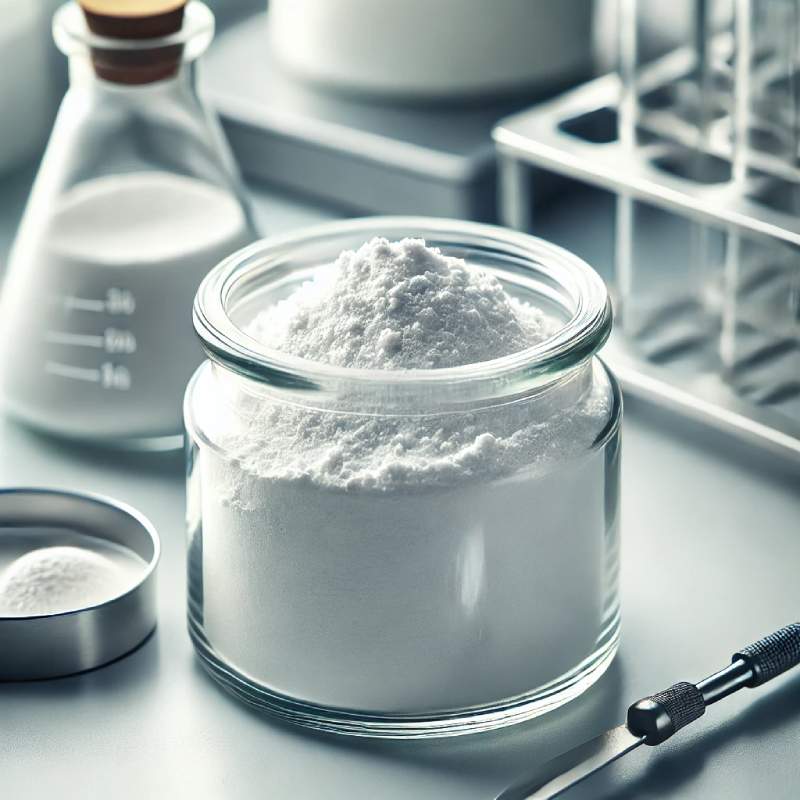
Color product White or slightly grayish powder
Dosage Cosmetics: In toothpastes - from 20% to 50%. In decorative cosmetics - 1-10%. Pharmaceuticals: Up to 80% in tablets, depending on the composition. Food industry: About 1-3%, depending on the recipe.
Features Mandatory testing for sensitivity and allergic reaction, preliminary application to the bend of the elbow
Name Calcium Phosphate 100 g
Packaging container for transportation
Packing 100 g
Purpose Calcium phosphate is a group of compounds that includes various forms of calcium salts of phosphoric acid, which are widely used in cosmetics, food industry, pharmaceuticals and other areas. The most popular form for use is dicalcium phosphate (Dicalcium Phosphate).
Solubility Poorly soluble in water, better soluble in acidic solutions
Storage conditions in a cool, dry, dark place
View powder
Valid until 08.2028
Reviews (1) Add a review
Product rating:
  • Date:
    1 February 2025
    Author:
    Юлія, Запорожье
    Reviews

    Завжди отримую задоволення від покупок у цьому магазині.

    Is the review useful? Yes (0) No (0)
Add a review
Your score:
Send feedback
Error

Close window
Product added to cart
Total:
Request the price of the product
Fill in the details for the price request
Request a price Request a price