-
 DIY: Video master classes
-
 Aromatherapy
-
 Felting master classes
-
 Eating at home
-
 DIY cosmetics for children
-
 Cooking recipes
-
 Detergents, cleaning products with your own hands
-
 Soap making as a business
-
 Natural cosmetics. Raw materials for cosmetics and soap.
-
 Natural oils in cosmetics
-
 News
-
 Recipes for balms and conditioners
-
 Bath Bomb Recipes
-
 Cream recipes. Cream making.
-
 Lotion recipes. Gel recipes.
-
 Mask recipes
-
 Soap recipes. Base soap. Soap from scratch.
-
 Recipes for all occasions
-
 Natural shampoo recipes
-
 Healthy Nutrition Recipes
-
 Scrub recipes. Massage tiles. Ubtan
-
 DIY candles
-
 Reference materials, questions, tips
-
 Startup - soap production
-
 Hair care. Tips, recipes
-
 Facial skin care. Cleansers.
-
 Body care. Tips, recipes
-
 Photo Reviews
-
 Chocolate Handmade


Shelf life of raw materials: how to store oils, peptides and extracts correctly
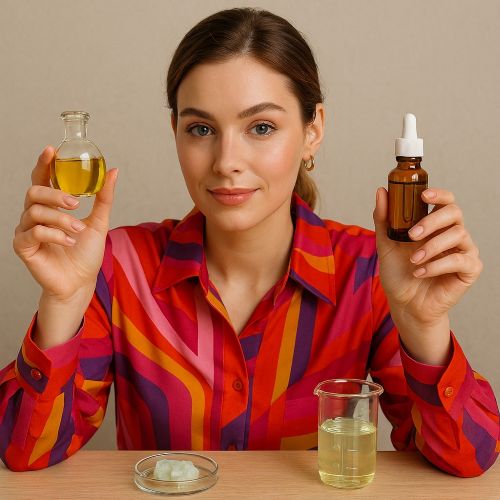 For any cosmetic formulator, whether a professional or a hobbyist, the quality of your finished product is only as good as the quality of your ingredients. Proper storage of raw materials is a critical, yet often overlooked, aspect of the formulation process. Exposure to heat, light, air, and moisture can rapidly degrade active ingredients, render them ineffective, or even cause them to spoil completely. Understanding the unique storage needs of different ingredient categories—from delicate oils to potent peptides—is essential for maintaining their efficacy and extending their shelf life. This article will provide a comprehensive guide on how to correctly store your cosmetic raw materials, offer three recipes that highlight the importance of fresh ingredients, and discuss the advantages of using well-preserved raw materials.
The Enemies of Raw Materials: What to Protect Them From
Most cosmetic ingredients are susceptible to degradation from a few key environmental factors. Understanding these "enemies" is the first step to proper storage.
-
Oxidation: Exposure to oxygen is the primary cause of rancidity in oils and the deactivation of antioxidants like Vitamin C. Oxidized ingredients lose their potency and can even develop unpleasant odors.
-
Light: UV and visible light can break down chemical bonds in many ingredients, especially plant-based extracts and essential oils, leading to loss of color and potency.
-
Heat: High temperatures accelerate chemical reactions, causing ingredients to degrade much faster than they would at room temperature or in a cool environment.
-
Moisture: Water encourages the growth of bacteria, yeast, and mold, which is why dry ingredients must be kept in sealed, moisture-free containers.
Storing by Ingredient Category: A Comprehensive Guide
Each category of cosmetic raw material has specific storage requirements. Following these guidelines will ensure your ingredients remain fresh and effective.
Oils and Butters
Oils and butters are prone to oxidation, which causes them to go rancid.
-
Packaging: Always store oils in dark, amber or cobalt blue glass bottles. This protects them from light. Avoid clear plastic, as it offers no protection and some plastics can leach into the oil.
-
Temperature: Store them in a cool, dark place, like a cupboard or a basement. For very delicate oils like rosehip or flaxseed, the refrigerator is the best option.
-
Air Exposure: Buy oils in smaller quantities if you don't use them frequently. The more you open a bottle, the more oxygen it's exposed to. Consider using bottles with pumps or droppers to minimize air exposure.
Peptides and Water-Soluble Actives
Peptides, Hyaluronic Acid powder, and water-soluble vitamins are highly sensitive and require careful handling.
-
Peptides: Liquid peptides (like Matrixyl or Argireline) should be stored in the refrigerator at all times to maintain their integrity. They are often sold in small dropper bottles. Always keep them tightly sealed.
-
Powders: Powders like Hyaluronic Acid, Vitamin C (L-Ascorbic Acid), and Niacinamide should be stored in air-tight containers in a cool, dark place. Moisture is their biggest enemy; if they clump, it's a sign of moisture exposure and potential degradation.
Extracts and Essential Oils
These ingredients are potent but can lose their efficacy if not stored correctly.
-
Essential Oils: Store them in dark glass bottles with tight caps. Keep them in a cool, dark place and away from fluctuating temperatures.
-
Herbal Extracts: Liquid extracts should be kept in dark bottles in a cool, dark place. Dry botanical powders should be stored in air-tight, opaque containers to prevent oxidation and moisture absorption.
The Payoff: Advantages of Well-Stored Ingredients
Maintaining the freshness of your raw materials directly translates to a better final product.
-
Maximum Potency: Fresh ingredients deliver their full range of benefits. A fresh Vitamin C serum will be far more effective at brightening the skin than one made with oxidized powder.
-
Extended Shelf Life of Finished Products: The freshness of your raw materials directly impacts the shelf life of your final product. Using spoiled ingredients can cause your finished lotion or serum to go bad prematurely.
-
Superior Results: Formulations made with high-quality, properly stored ingredients will simply work better. You can use lower concentrations of expensive actives and still achieve a noticeable effect.
-
Cost Savings: Properly storing your materials prevents them from spoiling before you get a chance to use them, saving you from having to constantly replace expensive ingredients.
Three Recipes Demonstrating the Importance of Fresh Ingredients
These recipes are designed to be prepared in small, fresh batches, highlighting the importance of using potent, well-stored ingredients.
Recipe 1: Peptide & Hyaluronic Acid Anti-Aging Serum
This serum is highly effective due to the freshness of its key actives.
-
Prepare the water phase. In a sterilized beaker, combine 85g of distilled water and 2g of vegetable glycerin.
-
Add the powder actives. Slowly sprinkle 1g of Hyaluronic Acid powder and 5g of Niacinamide powder. Stir intermittently over several hours until a uniform gel forms.
-
Incorporate the liquid actives. Once the gel is formed and the mixture is at room temperature, add 5g of your refrigerated liquid peptide complex.
-
Finalize and preserve. Add 1g of a broad-spectrum preservative like Geogard 221. Stir gently and transfer to a sterilized dropper bottle.
Recommendations for Use: Apply 2-3 drops to a clean face in the morning or evening.
Storage: Store in the refrigerator to maintain the integrity of the actives. Shelf life is 3-6 months.
Recipe 2: Hydrating Face Oil with Fresh Rosehip Oil
This oil blend is simple yet powerful, provided the delicate rosehip oil is fresh.
-
Combine the base oils. In a dark glass bottle, pour 20g of jojoba oil and 10g of hemp seed oil. Both are stable and provide a great base.
-
Add the hero ingredient. Carefully pour 10g of fresh, refrigerated rosehip oil.
-
Add antioxidant protection. Add 0.5g of Vitamin E oil (tocopherol).
-
Shake and seal. Screw the cap on tightly and shake gently to combine.
Recommendations for Use: Massage 3-4 drops into clean, damp skin after cleansing.
Storage: Store the finished oil blend in the refrigerator to extend its shelf life. The shelf life is up to 6 months.
Recipe 3: Nourishing Clay Mask with Fresh Extracts
This mask is made in small batches to ensure the actives are potent and the final product is free of preservatives.
-
Prepare the powder base. In a clean, dry container, combine 10g of French green clay powder and 2g of dry chamomile extract powder.
-
Prepare the liquid for use. When you are ready to use the mask, take a small amount of the dry mixture (about a teaspoon) and mix it with enough distilled water or a hydrosol to form a thick paste.
-
Add a fresh oil. Add 2-3 drops of a nourishing oil like avocado oil.
-
Apply and rinse. Apply the fresh mask to your face, leave it on for 10-15 minutes, then rinse with warm water.
Recommendations for Use: Use this mask once a week to detoxify and soothe the skin.
Storage: Store the dry powder blend in a cool, dry, and dark cupboard in an air-tight jar. The shelf life can be up to 2 years if no moisture is introduced.
Advantages Over Industrial Alternatives
By understanding and implementing proper storage, you can achieve a level of quality that is often difficult for large-scale manufacturers to match.
-
Peak Potency: While industrial cosmetics may use stabilized forms of ingredients, your homemade products can be made with highly potent, fresh materials right before use.
-
Purity: You can avoid the need for strong preservatives or stabilizers that are often used in commercial products to extend shelf life for years. Your product is fresh because it's meant to be used quickly.
-
Cost-Effectiveness: You reduce waste and save money by preventing your raw materials from spoiling. You get to use every drop of what you pay for.
-
Full Control: From the source of the ingredient to its final storage, you have complete control over your product's life cycle, ensuring safety and efficacy.
Investing time in understanding and implementing proper storage techniques is a crucial step towards creating high-quality, effective, and professional-grade skincare products.


Cosmetic ingredients and professional formulation blog
This section features expert materials on modern cosmetic actives. We cover peptides, polynucleotides PDRN, different forms of hyaluronic acid, retinoids, ceramides and other key components.
Special focus is given to active stability, ingredient compatibility and correct incorporation into formulas. You will find practical guides on working with anti-age actives, moisturizing complexes and barrier repair ingredients.
We examine how to properly combine myorelaxants with peptides, common mistakes when using unstable vitamin C forms and ways to improve the performance of moisturizing actives.
Separate materials are dedicated to base oils, extracts, emulsifiers and supporting ingredients. This helps create stable and effective formulas for both professional and home cosmetics.
The blog regularly publishes reviews of trending actives, comparisons of similar ingredients and step-by-step formulation recommendations. The content is aimed at formulators, technologists and anyone seriously involved in creating cosmetic products.
Why this blog is useful
Here you will find practical data on eye area care actives, lifting systems and ingredients that improve skin firmness and tone. We rely on real formulation experience and address the actual challenges that arise during product development.
You can also explore materials on skin protection and repair, depigmentation and anti-inflammatory actives. This approach supports a more systematic selection of ingredients.
FAQ
What topics are covered most often
The blog focuses on peptides, PDRN, hyaluronic acid of different molecular weights, retinoids, ceramides and their compatibility rules.
Are there practical recommendations on how to incorporate actives
Yes, most articles include practical notes on pH stability, incorporation temperature and common formulation mistakes.
Is the content only for professionals
The materials are useful both for formulators and technologists and for those who create cosmetics for personal use and want to understand how modern ingredients work.
Where can I go directly to the ingredients
All key actives are collected in the Actives section, while base components are available in base oils and related categories.



