Why Volcanic Powder Remains a Versatile Abrasive Across Industries
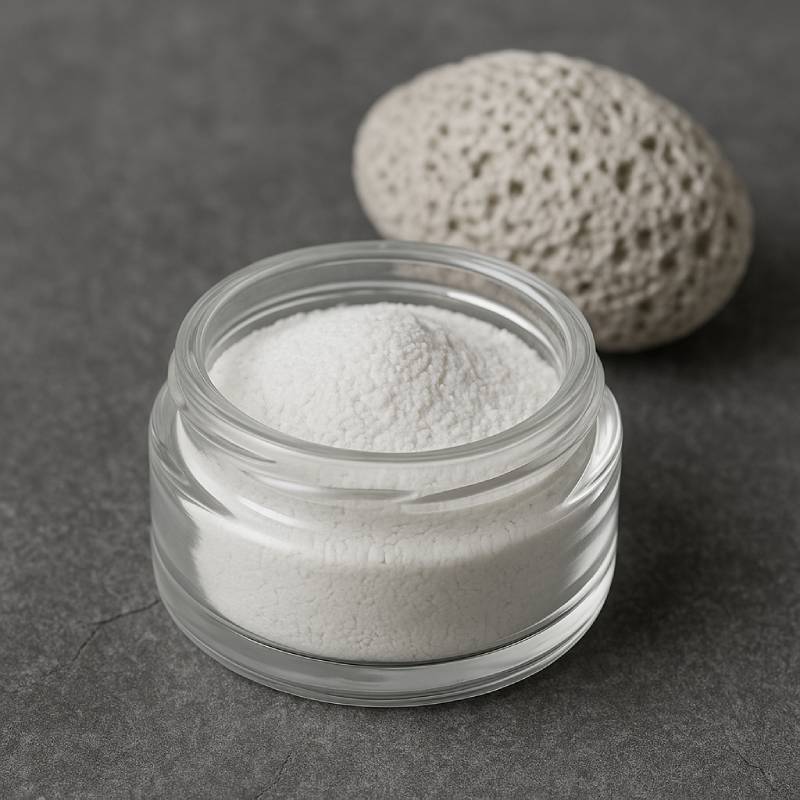
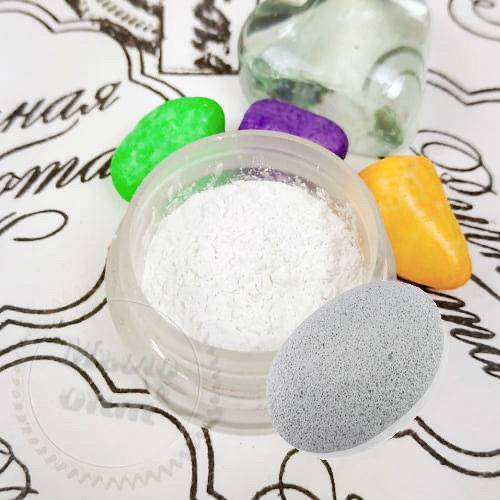
Pumice powder is a finely milled volcanic rock with a naturally porous structure, valued for centuries as a gentle yet effective abrasive material. The microscopic pores in each particle create a mild polishing action that removes buildup without harsh scratching, which explains why this mineral is used well beyond a single market. This product belongs to the Mineral fillers category, which brings together natural and synthetic powders used for texturizing and mattifying formulations.
Globally, demand for pumice powder concentrates in three core areas. The first is personal care, where it appears in body scrubs, foot and heel exfoliators, callus removal treatments, and nail care buffing compounds. The second is household chemistry, since pumice is a common ingredient in scouring pastes and abrasive cleaners designed to remove limescale, rust, and stubborn residue from hard surfaces. The third is industrial and technical use, covering metal, glass, stone, and wood polishing before final finishing, as well as dental prophylaxis pastes. Less commonly, pumice also serves as a lightweight aggregate in construction mixes and insulation materials.
Within cosmetic formulations, pumice pairs well with other mineral fillers. To build mattifying powders with a smooth, silky glide, formulators often combine abrasive pumice with softer optical fillers such as RonaFlair Boroneige, known for its soft-focus blurring effect on fine lines and pores. For a finer, more slip-friendly texture in scrubs and pressed powders, many recipes also include Boron Glow boron nitride powder, while RonaFlair Flawless is frequently added at the finishing stage to even out tone and add a subtle luminous quality. Combining these ingredients allows formulators to balance the mechanical exfoliating power of pumice with the optical softness of other fillers.
Typical dosage of pumice powder in scrubs and exfoliants ranges from 5 to 20 percent of total formula weight, depending on the desired abrasiveness. In cleaning pastes and polishing compounds, concentration can reach 30 to 40 percent. It is best added at the final stage of formulation, into a cold phase or one gently warmed to 35-40 degrees Celsius, mixing thoroughly until particles are evenly dispersed without settling. Since pumice does not dissolve in water or oils, maintaining a stable base consistency with thickeners or emulsifiers helps prevent separation over time. Store the powder in a dry, tightly sealed container away from direct sunlight and moisture to prevent clumping and preserve its abrasive performance. The 100 gram size is well suited for home-based cosmetic making, formula testing, and small trial batches before scaling up to larger production runs.
Refreshing Foot Scrub Bar Mix
Pumice powder 25 g
Shea butter 30 g
Coconut oil 20 g
Beeswax 10 g
Peppermint essential oil 2 g
Melt
the shea butter, coconut oil, and beeswax together in a double boiler at around
55 degrees Celsius until fully liquid. Remove from heat and let the mixture
cool slightly until it starts to thicken at the edges, then stir in the pumice
powder gradually to avoid clumping. Add the peppermint essential oil once the
blend reaches a workable temperature and pour into silicone molds. Allow the
bars to fully harden at room temperature for several hours before use, then
massage gently over damp feet and rinse thoroughly with warm water.