Why Marine-Derived Abyssine Is Valued for Reinforcing Compromised Skin
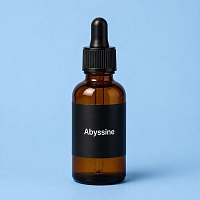
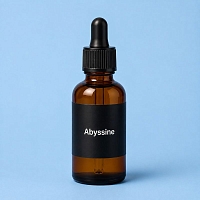
Abyssine is an active ingredient sourced from a marine bacterium adapted to survive in extreme deep-sea hydrothermal conditions, including high pressure, sharp temperature shifts and harsh chemical surroundings. This natural resilience is exactly why formulators use the extract to help skin cells cope with environmental stress and rebuild their protective functions faster. The product belongs to the Skin Protection and Restoration section, which brings together actives aimed at reinforcing the hydrolipidic barrier, reducing reactivity and speeding recovery after damage.
The most common real-world use of Abyssine is in dermo-cosmetics and professional formulas for sensitive, reactive and redness-prone skin. It appears in post-procedure serums used after peels, laser resurfacing and dermabrasion, in calming creams for redness-prone and couperose skin, in after-sun and after-shave products, and in urban protection creams designed to counter pollution and temperature swings. Globally, this ingredient is mostly found in premium professional cosmetic lines and in laboratories focused on barrier repair research, and less often in mass-market products, largely due to its higher raw material cost.
The 5 gram size is intended for home-based cosmetic making and small trial batches: this amount is enough to test the ingredient's activity across several serum or cream formulations before committing to larger volumes. Independent formulators and hobbyist chemists typically use this packaging to fine-tune dosage and check compatibility with other actives before scaling a recipe up.
A typical recommended dosage ranges from 0.5 to 2 grams per 100 grams of finished product, with the exact concentration depending on the desired effect and the rest of the formula. Abyssine should be added during the cool-down phase, once the main emulsion has dropped below 40 degrees Celsius, to avoid degrading its active protein fractions under heat. It pairs well with other restorative actives such as Chitin Beta-Glucan, which further supports the skin's natural defense mechanisms and speeds up recovery from micro-damage. It is also frequently combined with lipid-based complexes like ViableCare LipoCare 8 to rebuild the intercellular cement layer and reduce transepidermal water loss.
For nourishing and restorative masks, Abyssine can be introduced alongside Egg Yolk Emulsion, which brings natural phospholipids into the formula and helps actives spread more evenly across the skin surface. This pairing works particularly well in home-made masks for dry, dehydrated and irritation-prone skin.
The ingredient should be kept refrigerated, at a temperature between 2 and 8 degrees Celsius, in a tightly sealed container protected from direct light and moisture. Once opened, it is best used within a reasonable time frame, avoiding frequent temperature fluctuations that could reduce the activity of its biological fractions.
After-Sun Repair Gel-Serum
Distilled water 75 ml
Aloe vera juice 10 ml
Panthenol liquid 3 ml
Xanthan gum 0.4 g
Abyssine 1 g
Egg Yolk Emulsion 5 g
Preservative as directed by manufacturer
Combine the distilled water with aloe vera juice and panthenol, then sprinkle in the xanthan gum while whisking continuously to prevent clumping. Let the mixture rest for about 15 minutes until fully thickened, then confirm the temperature is below 35-38 degrees Celsius. Blend in the Abyssine and Egg Yolk Emulsion until smooth, add the preservative, and transfer the finished gel-serum into sterilized pump bottles for storage.