How Elastin Restores Skin Firmness in Modern Skincare Formulas
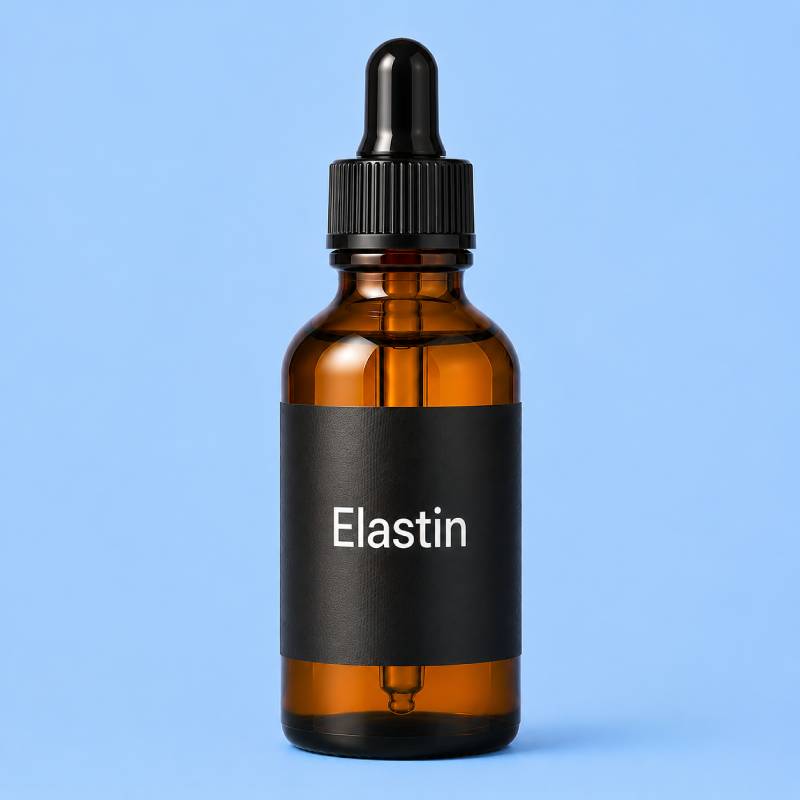
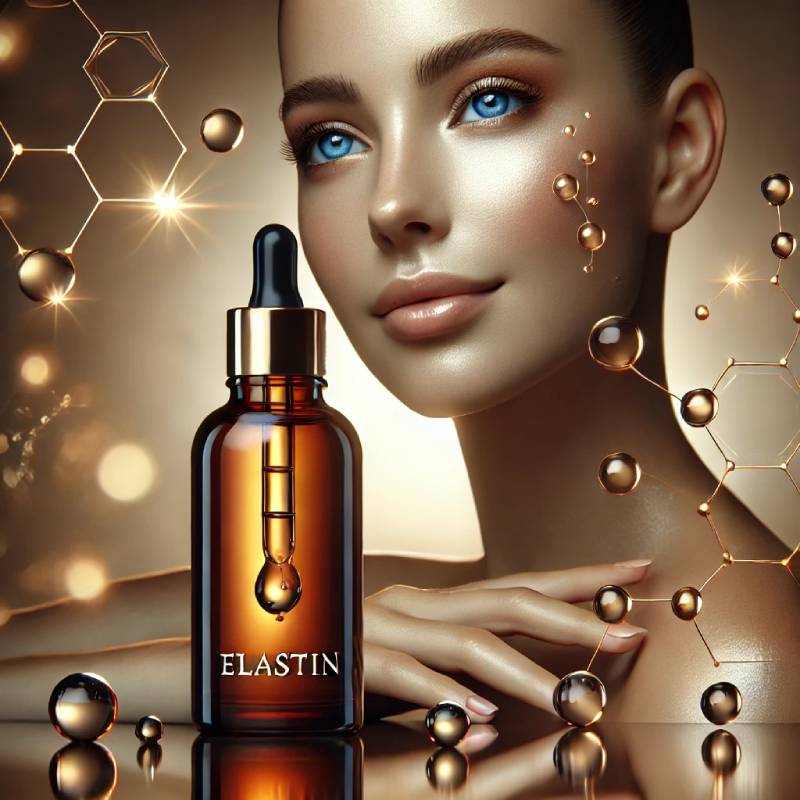
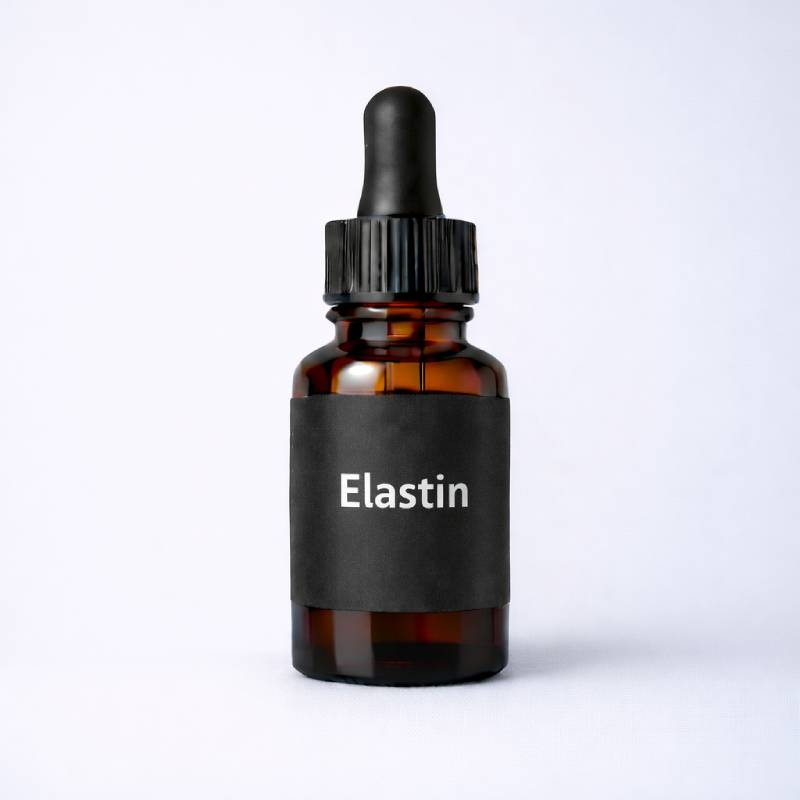
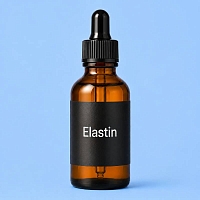
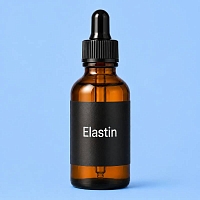
Elastin is one of the key structural proteins found in connective tissue, responsible for the skin's ability to stretch and bounce back to its original shape. Together with collagen, it forms the framework of the dermis, and it is precisely this duo that keeps skin looking firm and smooth. As we age, natural elastin production slows down, and existing fibers break down under sun exposure and other stress factors, leading to sagging and the appearance of fine lines. Cosmetic grade elastin is obtained through hydrolysis, which breaks the protein down into smaller peptide fragments capable of penetrating the upper layers of the epidermis, where they form a thin film that locks in moisture and gives skin an immediate tightening sensation. The 25 ml packaging is well suited for home-based cosmetic making and small trial batches, allowing formulators to test the ingredient across different recipes before scaling up. This ingredient belongs to the Actives and Peptides for Cosmetics category, which brings together functional active ingredients for a wide range of formulations.
The most widespread application of elastin is in anti-aging creams, serums, and masks designed for the face, neck, and décolletage area. The ingredient is also used in body care products aimed at improving skin elasticity after weight loss or pregnancy, as well as in hair care formulas, since similar mechanisms support the structure of the hair shaft. In industrial cosmetic manufacturing, elastin is frequently combined with hyaluronic acid, collagen, and plant extracts to enhance lifting effects. It pairs particularly well with peptide complexes such as Eyeseryl Solution B, commonly used for the delicate eye contour area that requires gentle yet effective care. Elastin also works nicely alongside regenerating complexes like Botamix Regenerating, allowing formulators to address firmness and texture at the same time.
Elastin should be added at the final stage of formulation, at temperatures not exceeding 40 degrees Celsius, to avoid breaking down the protein chains through heat exposure. A typical usage rate ranges from 1 to 5 percent of the total product weight, depending on the desired intensity of the active effect. The ingredient is compatible with most emulsifiers, preservatives, and other actives, including peptide complexes such as Exo-P Peptide, which opens up possibilities for multifunctional formulas targeting several skin concerns at once. Elastin should be stored in a tightly sealed container, in a cool place away from direct sunlight, to maintain its stability throughout the shelf life.
Beyond skincare and color cosmetics, elastin is used in professional salon masks and in niche formulations aimed at restoring skin elasticity after dermatological treatments. It is sometimes incorporated into hand and foot care products, where skin tends to dry out and lose tone more quickly. The small packaging size makes it convenient for cosmetologists and home formulators who want to trial a new ingredient before moving to larger production runs.
Firming Neck Cream with Elastin
Distilled water 55 ml
Aloe vera juice 15 ml
Emulsifying wax 5 g
Sweet almond oil 10 ml
Elastin 3 ml
Cosmetic preservative 1 ml
Vitamin E oil 2 ml
Combine distilled water and aloe vera juice, then heat gently to 70 degrees Celsius along with the emulsifying wax until fully melted. In a separate container warm the almond oil to the same temperature, then slowly pour it into the water phase while whisking continuously until a smooth emulsion forms. Cool the mixture down to 40 degrees Celsius, then blend in the elastin, preservative, and vitamin E oil. Mix thoroughly and transfer the finished cream into a clean jar for daily use on the neck and décolletage area.