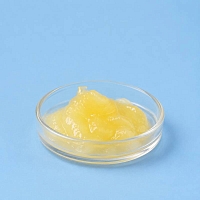
How one emulsifier serves both food processing lines and cosmetic labs
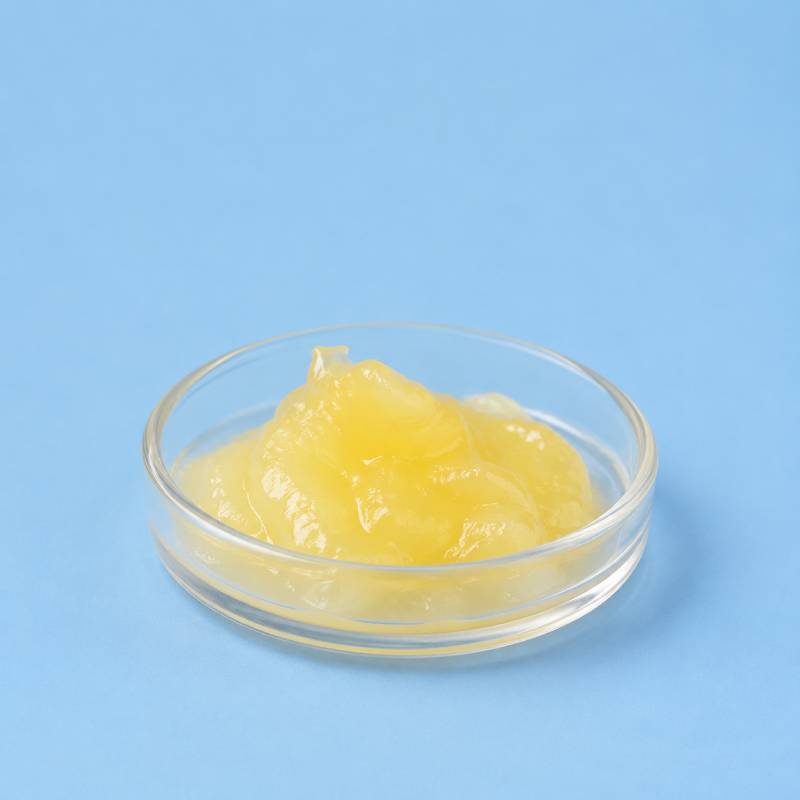
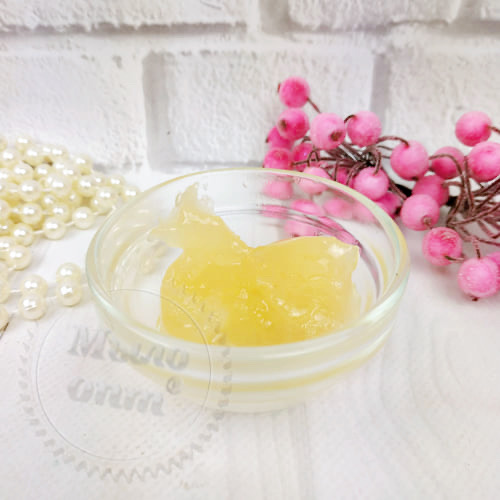
Polysorbate 60 is a nonionic emulsifier with strong worldwide demand across food manufacturing, cosmetic formulation, and pharmaceutical production, thanks to its ability to bind water and oil phases into a stable mixture. In food processing it stabilizes whipped toppings, icings, margarines, ice cream, and cream fillings, preventing separation during storage and transport. In cosmetic manufacturing it belongs to the Emulsifiers
category and is widely used for lightweight lotions, creams, and serums that need a stable oil-in-water structure without a greasy after-feel. The 1 kg pack size fits regular small-batch and studio production, formulation testing, or compact industrial runs, making it a practical choice for cosmetic labs, small manufacturing lines, and food producers who need consistent supply.
Chemically, polysorbate 60 is an ester derived from fatty acids and polyoxyethylene sorbitan derivatives, with a relatively high hydrophilic-lipophilic balance that makes it particularly effective for oil-in-water emulsions. It is typically added during the heating stage of the water or oil phase at 60-75 degrees Celsius, after which both phases are combined under continuous mixing until a uniform texture forms. In cosmetic formulas the usual dosage ranges from 2 to 6 percent of the total batch weight, while in food systems the amount is adjusted individually depending on the fat content of the final product, usually staying within 0.5-2 percent.
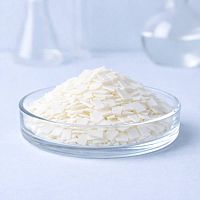
When building cream and lotion formulas, polysorbate 60 is often paired with other texturizing agents to reach the desired consistency and stability. It combines well with Emulsifying Wax, which adds body and a richer feel to the finished product, and with Berry wax, contributing extra glide and a pleasant slip on the skin. To boost the viscosity of the water phase and add a silky finish, formulators often turn to Silky cationic guar, which also helps distribute the product evenly through hair or over the skin.
In pharmaceutical production, polysorbate 60 helps keep suspensions uniform and improves the solubility of certain active substances, extending its use well beyond cosmetics. Household chemical formulations also rely on it in cleaning products where a stable blend of water and oil components is required to avoid separation on the shelf. This versatility makes it a practical raw material to keep in stock for manufacturers working across several product lines at once.
Store polysorbate 60 in a dry area at room temperature, in a tightly sealed container away from moisture and direct sunlight, to preserve its emulsifying performance for the full shelf life. When working from a 1 kg pack, it is convenient to portion out the needed amount into a separate weighing container, keeping the bulk supply protected from contamination.
Whipped topping stabilized with polysorbate 60
Heavy cream 500 ml
Sugar 60 g
Polysorbate 60 5 g
Vanilla extract 5 ml
Cold water 20 ml
Dissolve
the polysorbate 60 in the cold water until fully clear, then blend it into the
chilled heavy cream along with sugar and vanilla extract. Whip the mixture at
high speed until soft stable peaks form, then keep it refrigerated and use
within a day for cakes, desserts, or coffee toppings that need extra hold and a
smooth structure.