The building-block amino acid behind modern nutrition and pharma production lines
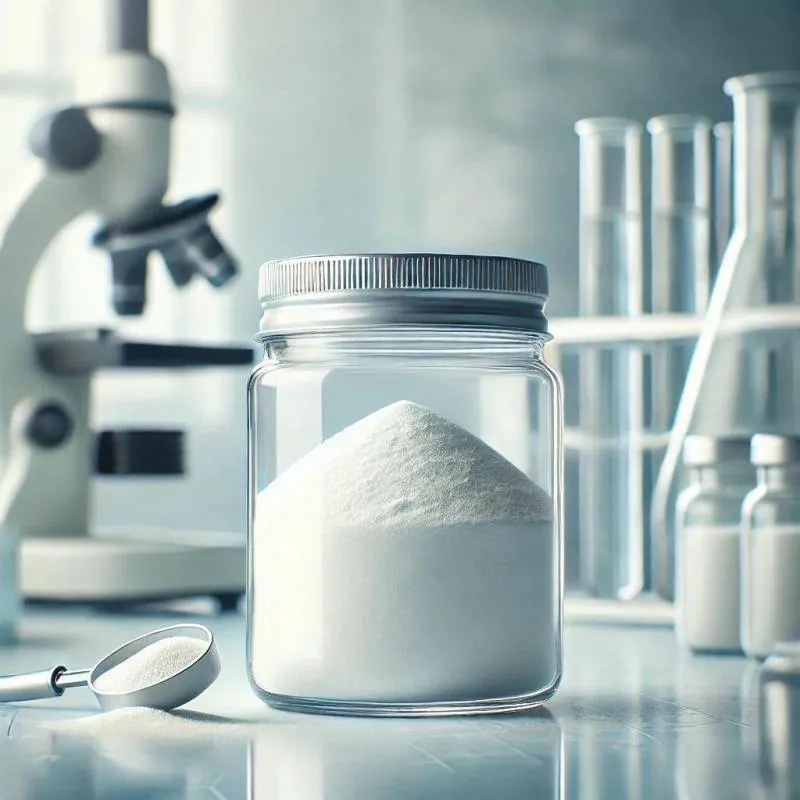
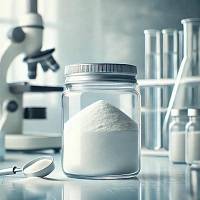
L-Phenylalanine is one of the essential amino acids the body cannot produce on its own, which keeps demand for it steady across several manufacturing sectors at once. The 1 kg pack is aimed at operations that have already moved past small trial batches into regular sourcing for functional food concentrates, feed premixes, pharmaceutical formulations and active cosmeceutical recipes. This raw material belongs to our Amino Acids section, where related ingredients for building a complete amino acid profile are gathered together.
The largest global demand for this amino acid comes from the food industry, where it appears in functional nutrition blends, sports formulas and products supporting energy metabolism. The second major segment is pharma and nutraceuticals, where phenylalanine is included in formulations aimed at supporting mental focus and general wellbeing. A third significant industry is animal feed manufacturing, where the amino acid is added to premixes for balanced livestock diets. In cosmetic manufacturing, phenylalanine is valued for its role in supporting the skin's natural pigmentation processes, so it shows up in serums and emulsions for even skin tone, anti-aging complexes and antioxidant-focused products. Occasionally the ingredient is also used in cleansers as a functional additive, though this remains a niche application compared to food and pharma use.
Compatibility is one of the strong points of L-Phenylalanine: it blends reliably with other amino acids and plant proteins, such as Soy Protein Isolate, which reinforces the overall amino acid profile of a formula with additional structural proteins. For quick concentration testing before scaling up a batch, formulators often reach for ready-made amino acid blends such as AminoGerm 100 ml or the smaller AminoGerm 5 ml, which allows a lab to compare the effect of a complex blend against the pure amino acid within the same recipe.
Recommended dosages vary by application: cosmetic emulsions and serums typically call for 0.5-2% of the total formula weight, while beverages and food concentrates have a wider range set by the technical requirements of the specific product, and feed premixes use a minimal share calculated by a livestock nutritionist for the target herd. The amino acid should be introduced into the water phase of a formula at a temperature not exceeding 40-45 degrees Celsius to prevent thermal breakdown of its molecular structure. Store the raw material in an airtight container, in a dry space away from direct sunlight, and avoid exposure to high humidity, which can cause caking and loss of flowability.
For manufacturers working with 1 kg volumes, this pack size suits both repeated lab trials of new formulations and the first production runs before moving to industrial-size bags. Consistent supply and batch uniformity matter most to teams that have already finalized a formula and are scaling production without changing the recipe.
Even-tone facial concentrate serum
Distilled water 70 g
Vegetable glycerin 5 g
L-Phenylalanine 2 g
Soy Protein Isolate 1 g
Panthenol 2 g
Broad-spectrum preservative 1 g
Combine the water and glycerin in a clean container and warm the mixture on a water bath to about 40 degrees Celsius, then add the L-Phenylalanine and Soy Protein Isolate while stirring until fully dissolved. Remove from heat, allow the mixture to cool to room temperature, then blend in the panthenol and preservative, mixing thoroughly until smooth with no lumps. Transfer the finished serum into a dark dropper bottle and apply morning and evening to areas where an even skin tone is desired.