Worldwide delivery  |  Free delivery in all Ukraine from 1899 UAH
Product catalog
Master classes, recipes, tips
Which peptides are responsible for what and how to combine them correctly
A detailed guide to peptide classification and integration in custom skincare. This article explores the biological functions of signal peptides, matrix repair complexes, copper tripeptides, and neurotransmitter-inhibiting peptides. It covers chemical compatibility rules, highlighting interactions to avoid with low-pH acids and direct L-ascorbic acid. Includes three comprehensive DIY serum recipes featuring phase addition standards, precise pH management, sanitation, and cold storage rules.
How to choose active ingredients for skin after 35, 45, and 55 years
A detailed guide on selecting targeted active ingredients based on age milestones: 35, 45, and 55 years old. This article breaks down physiological skin shifts, from initial collagen loss to menopausal hormone changes. It highlights ideal combinations of peptides, retinoids, phytoestrogens, and ceramides, providing three comprehensive DIY formulation recipes complete with preparation steps, application routines, pH standards, and storage rules.
How to put together a minimal effective anti-aging kit of 3-4 active ingredients
A practical guide to building a minimalist yet potent anti-aging skincare regimen using only 3 to 4 core active ingredients. This article explores the principles of corneotherapy and overload prevention while breaking down synergistic pairings like peptides, retinoids, vitamin C, and niacinamide. Includes three comprehensive DIY serum recipes, step-by-step layering protocols, pH requirements, laboratory sanitation standards, and cold storage conditions.
Product Description

Why Boric Acid Powder Belongs in More Than Just a Cosmetics Lab

A 1 kg pack of boric acid serves a much wider range of industries than most people expect. While cosmetic chemists occasionally reach for this compound, the real bulk of global demand comes from glass and ceramics manufacturing, electrical engineering, wood treatment, agriculture, and household pest control. A kilogram-sized pack fits workshops, small farms, and wood-processing shops where the reagent is used steadily over weeks rather than once. This product is listed in the Acids, Salts, Alcohols, and Alkalis section, alongside other foundational reagents for technical and industrial processes.

In glass and ceramics production, boric acid is a key ingredient of borosilicate formulations — it lowers the melting point of the batch and increases the heat resistance of the finished piece, which is why laboratory glassware, optical components, and oven-safe kitchenware rely on it. In electrical engineering, the compound is used to prepare electrolytes for nickel-cadmium and nickel-metal-hydride batteries, and it also serves as a flux component for soldering and brazing metals, including silver and copper — the solution is applied to the joint before heating to noticeably improve the quality of the bond.

In woodworking and construction, boric acid acts as both an antiseptic and a flame retardant: treating lumber, plywood, or garden furniture with solutions based on this compound protects the wood from rot and mold while reducing its flammability. In agriculture, the compound is applied to soil or used for foliar feeding as a source of boron, a micronutrient essential for fruit set and healthy root development in many crops, particularly sugar beet, sunflower, and fruit trees.

A separate and very common use is in household pest control, where the powder is mixed with sugar, starch, or egg yolk to make bait against cockroaches and ants — a method that remains one of the most affordable and time-tested approaches to insect control at home. In cosmetic formulations, boric acid appears less frequently and in small concentrations, mainly as a preservative or pH adjuster in select recipes, but this is far from its primary application.

Solubility matters when working with this raw material: boric acid dissolves more readily in hot water, so working solutions are usually prepared by heating water to 60-80 degrees Celsius and adding the powder gradually while stirring. For agricultural and antiseptic solutions, a typical concentration is 2 to 5 grams per liter of water, while insect bait recipes usually call for the powder undiluted or mixed with sugar in a one-to-one ratio. This raw material pairs well with other reagents from the same section — for example, with salicylic acid when preparing multi-component antiseptic blends, or with fumaric acid and mandelic acid for compiling a broader mix for lab or technical testing.

Store the powder in a dry, tightly sealed container away from direct sunlight and moisture sources, since exposure to humid air can cause caking and complicate dosing. The 1 kg pack is convenient for workshops, small farms, and production shops where the material is consumed gradually over several months without spoilage when stored correctly.

Soldering Flux Paste for Silver and Copper Joints

Boric acid 60 g

Water hot 100 ml

Denatured alcohol 20 ml

Dissolve the boric acid in hot water, stirring until the crystals disappear completely, then let the solution cool to room temperature. Add the denatured alcohol and stir gently to combine, producing a thin paste-like flux. Apply the mixture to the metal joint with a small brush before heating, allowing it to dry slightly so it forms a protective film that prevents oxidation during soldering or brazing of silver and copper parts.

Characteristics:
INCI Boric Acid
Other
Attention Formula: H3BO3 Molar mass: 61.83 g / mol Density: 1.44 g / cm
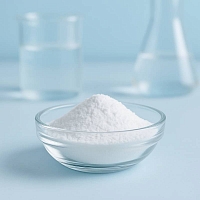
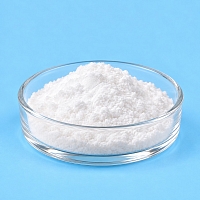
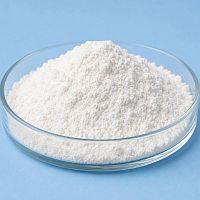
Color product colorless
Features All information presented on the site is for reference only
Input percentage compresses, sprays for hyperhidrosis - 1–4% aqueous solution, micellar water - 2% aqueous solution, atopic dry skin with cracks - 5% boric ointment and
Minimum count 1
Name Boric acid 1 kg
Packaging container for transportation
Packing 1 kg
Solubility water
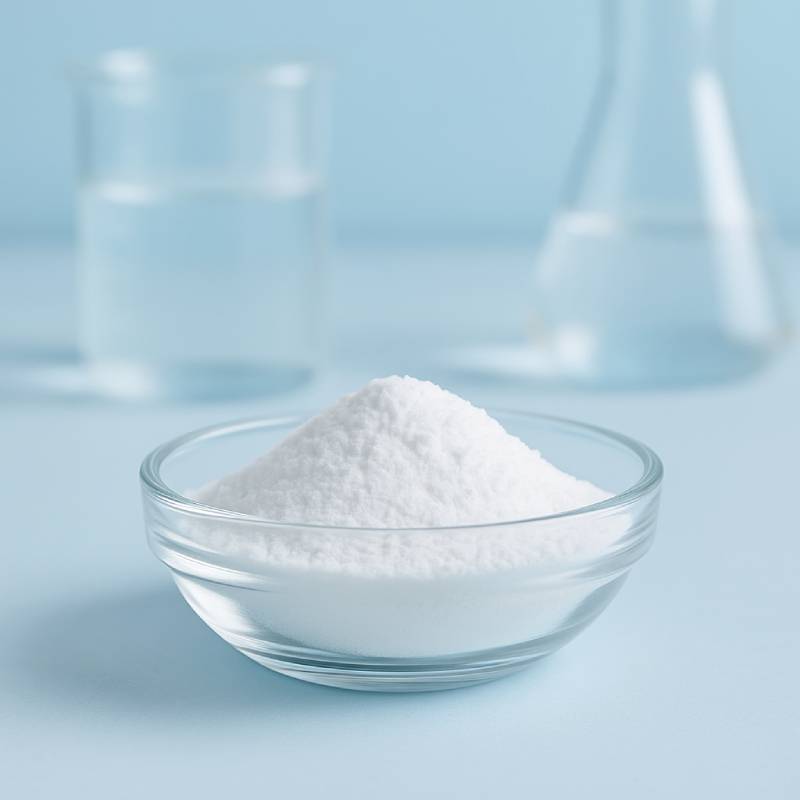
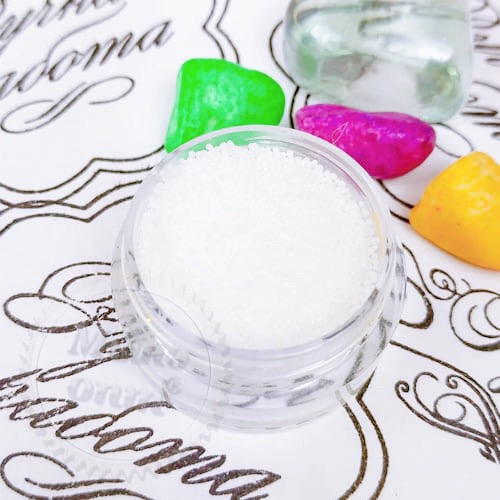
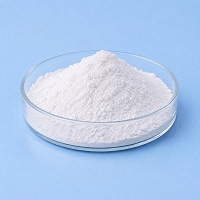
View powder
Valid until 10.2028
Reviews (6) Add a review
Product rating:
  • Date:
    today
    Author:
    Юля, Луцк
    Reviews

    Відмінний магазин! Великий вибір інгредієнтів для натуральної косметики.

    Is the review useful? Yes (0) No (0)
  • Date:
    9 September 2018
    Author:
    Оля, Киев
    Reviews

    Спасибо магазину, товар выслали как и договаривались, продавец звонил и говорил обо всех изменениях в заказе. Спасибо за товар, очень приятные в общении !!!!

    Is the review useful? Yes (0) No (0)
  • Date:
    today
    Author:
    Оля, Ивано-Франковск
    Reviews

    Всегда хорошое обслуживание, быстрые сроки доставки, качественный товар...только приятные впечатления от сотрудничества!

    Is the review useful? Yes (0) No (0)
  • Date:
    today
    Author:
    Нина, Днипро
    Reviews

    Якісна продукція, швидке обслуговування, ще звертатимусь із задоволенням

    Is the review useful? Yes (0) No (0)
  • Date:
    12 June 2017
    Author:
    Соня
    Reviews

    Заказ получила, товаром довольна. Спасибо.

    Is the review useful? Yes (0) No (0)
  • Date:
    12 June 2017
    Author:
    Вера
    Reviews

    Я уже давно знаю что борная кислота убирает любой зуд. Поэтому советую добавлять её в мазь от грибка.

    Is the review useful? Yes (0) No (0)
Show all reviews
Add a review
Your score:
Send feedback
Files
bornaiakislotacda.jpg Сертификат , 228.77 Kb
Error

Close window
Product added to cart
Total:
Request the price of the product
Fill in the details for the price request
Request a price Request a price