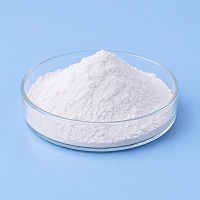
Meeting Global Demand for a Feed-Grade and Nutraceutical Essential Amino Acid
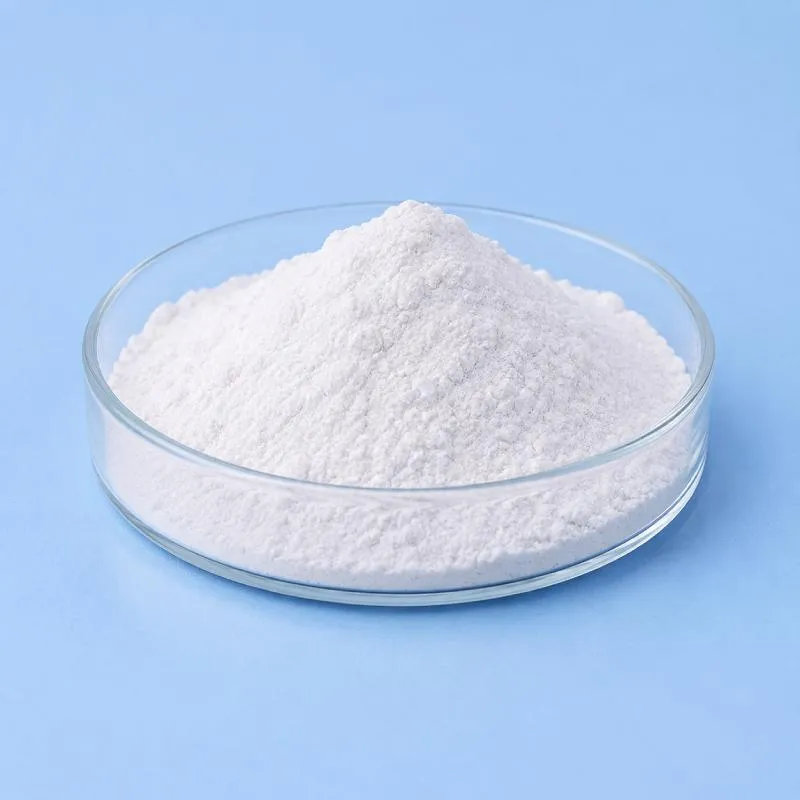
L-Tryptophan is one of the essential amino acids that neither humans nor livestock can synthesize on their own, which makes it a constant requirement across feed, food, and supplement formulations. This raw material belongs to the Amino Acids category, and the 1 kg packaging is built for manufacturing lines, feed mills, and capsule production facilities that need a consistent bulk supply rather than frequent small reorders.
The largest global demand segment for tryptophan comes from animal feed production. In poultry and swine diets, this amino acid is added because its deficiency directly reduces feed intake, slows weight gain, and worsens feed conversion ratios. Tryptophan is typically combined in premixes with lysine and methionine to correct the natural shortfall of this amino acid in grain and soy-based feed bases. Standard inclusion rates range from 0.05 to 0.3 percent of the finished feed, depending on animal species, age, and production stage.
The second major application area is food manufacturing and functional nutrition. Tryptophan is used to fortify sports and specialized nutrition products, as well as beverages and bars marketed for supporting normal sleep patterns and mood balance, since this amino acid is a metabolic precursor of serotonin and subsequently melatonin. It is usually introduced at the final stage of formulation, at temperatures not exceeding 40-50 degrees Celsius, to preserve molecular integrity during processing.
In the nutraceutical sector, tryptophan appears in capsule and powder supplements aimed at calm sleep support and mood stability. It is frequently paired with Glycine, which reinforces the relaxing profile of a formula, and with L-Theanine, valued for its mild calming action without sedation. Formulators seeking an antioxidant angle sometimes add SOPHORA JAPONICA RUTIN, contributing flavonoid support to the overall blend.
From a processing standpoint, tryptophan dissolves well in aqueous and mildly acidic systems, remains stable at room temperature, but must be protected from direct light and excess humidity. Store the raw material in a sealed container, in a dry area not exceeding 25 degrees Celsius, away from heat sources and strong oxidizers. With 1 kg packaging, resealing the original container tightly after each portion is drawn helps maintain powder flowability and prevents caking during storage.
For technologists working with large production batches, consistent raw material quality from lot to lot is essential, since even small fluctuations in active content can shift the effectiveness of a feed or supplement formula. This is exactly why bulk packaging is favored by conveyor-scale manufacturers that depend on predictable dosing across every production cycle.
Bedtime support capsule blend
L-Tryptophan 60 g
Glycine 40 g
L-Theanine 8 g
Magnesium stearate as flow agent 4 g
Weigh
and sift each powder separately to remove clumps, then combine in an industrial
powder blender for 15-20 minutes until the mixture reaches full uniformity.
Fill into capsules on standard encapsulation equipment, keeping processing
temperature below 40 degrees Celsius throughout. Store the finished batch in a
sealed, moisture-proof container away from direct light and heat sources.