What L-Tryptophan Represents
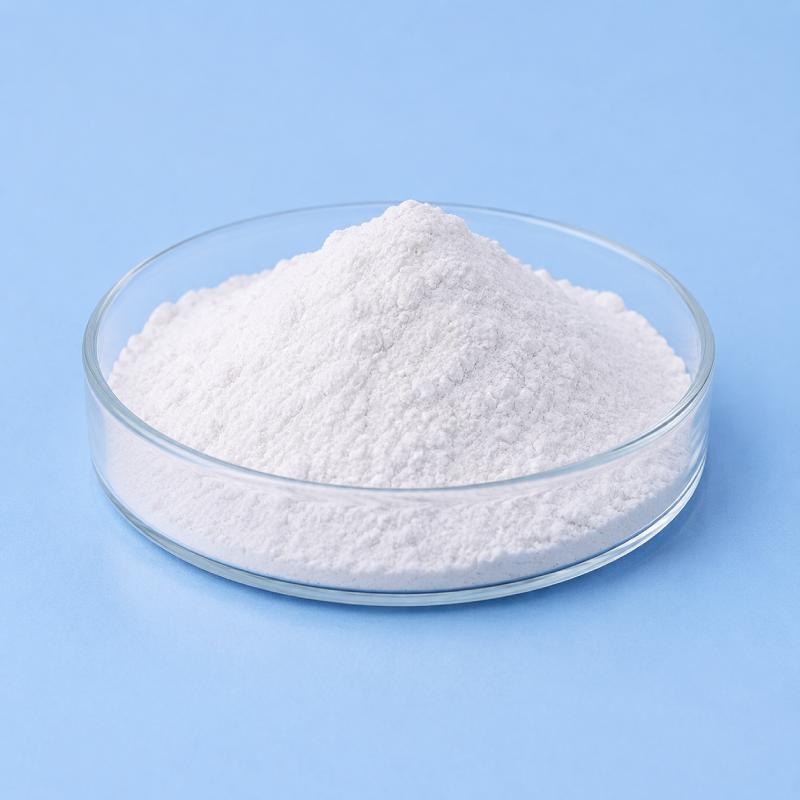
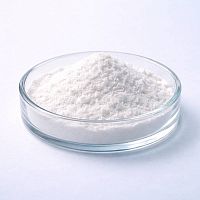
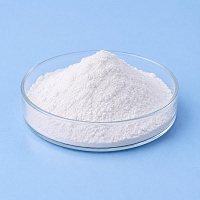
L-Tryptophan 100 g is an amino acid supplied as colorless crystals for use in cosmetic product development. This raw material supports formulators who work with precise ingredient selections in professional production settings. The 100 gram pack comes in a container designed for safe transportation and handling during manufacturing processes.
Key Characteristics
The INCI name for this substance is Tryptophan. It shows poor solubility in water but dissolves readily in alkalis. One recognized synonym is l-alpha-amino-beta-indolylpropionic acid. All presented information serves reference purposes only and requires verification before any production use. The material remains suitable for incorporation into various cosmetic bases where amino acid components are needed.
Applications in Cosmetic Production
This ingredient appears in multiple cosmetic formulations developed for skin care and related personal care items. Producers select it when building compositions that benefit from amino acid properties in the final texture and stability. It integrates into lines focused on active components available through the wholesale active ingredients section. Developers also evaluate it alongside materials from the figure correction actives range when creating balanced product lines.
How to Introduce the Ingredient
Introduction occurs after the primary emulsion stage once the mixture reaches a temperature compatible with the ingredient solubility profile. Typical addition takes place under controlled stirring to ensure even distribution. Recommended concentrations vary according to the desired outcome of each individual formula and must be tested for compatibility. An example cosmetic cream formulation uses the following amounts: 80 ml distilled water, 8 g emulsifying wax, 5 ml vegetable oil, 3 ml glycerin, 2 g L-Tryptophan, and 2 g preservative system. Heat the aqueous and oil phases separately to 70 degrees Celsius, combine under continuous agitation, allow cooling to 40 degrees Celsius, then disperse the L-Tryptophan and preservative while mixing until the cream achieves uniformity.
Compatibility and Technological Features
The substance pairs effectively with other actives commonly used in cosmetic manufacturing. Formulators working with vegetarian-derived components can consider combinations available in the vegetarian actives and peptides collection. Temperature limits during processing remain important to preserve the integrity of the crystals. Always conduct small-scale trials to confirm performance within the specific base chosen for the end product.
Storage Recommendations
Store the material in a cool, dry place protected from light. The indicated shelf period extends until 10.2028 under proper conditions. Keep the container sealed when not in use to maintain the quality of the colorless crystals.
FAQ
How does the solubility profile influence formulation work?
The limited solubility in water directs the choice of alkaline phases or compatible solvents to achieve uniform dispersion throughout the cosmetic base.
Can L-Tryptophan be used in larger production batches?
Yes, the 100 g pack serves both laboratory testing and small-scale manufacturing, with larger quantities available through the wholesale active ingredients section when required.
What factors determine suitable concentration levels?
Concentration decisions depend on the target product type, desired sensory properties, and results from stability testing performed on each specific formula.
Is the example cream recipe mandatory for all applications?
No, the provided amounts illustrate one possible approach. Each developer adjusts the recipe to meet the exact requirements of their intended cosmetic product.