How Fumaric Acid Supports Food, Feed, and Household Manufacturing
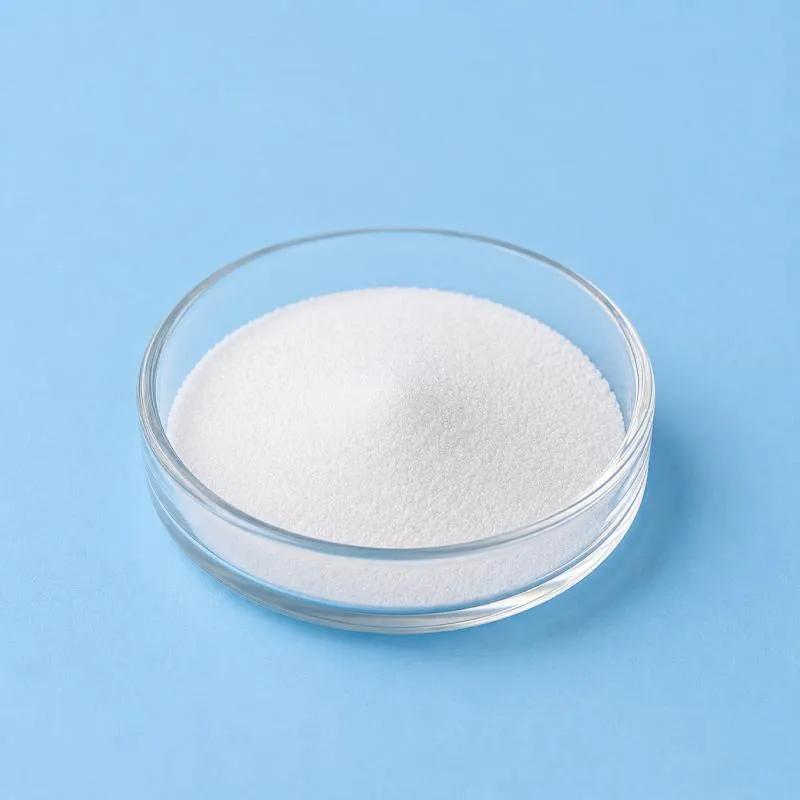
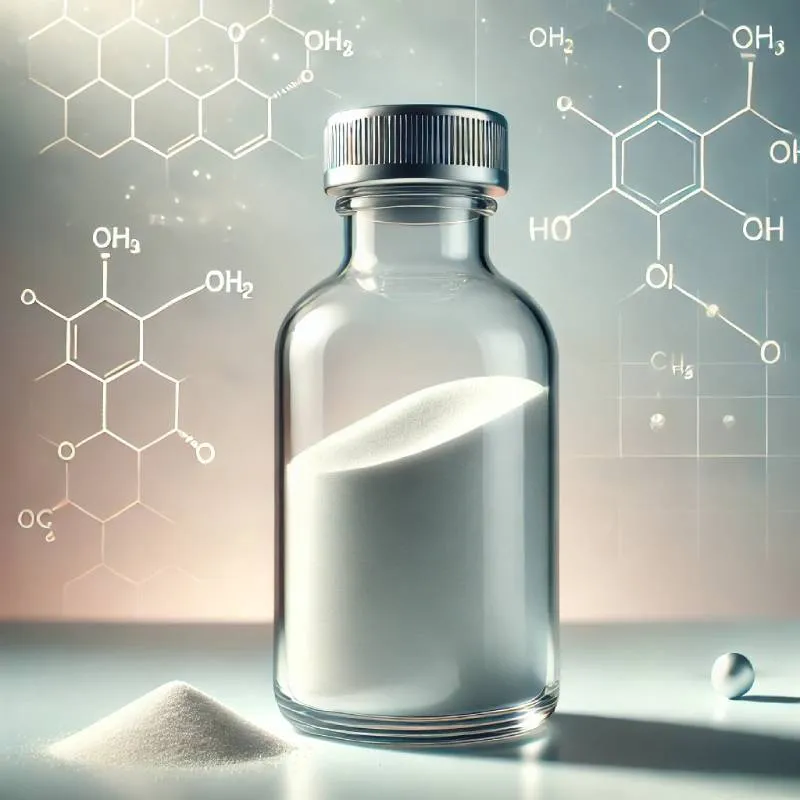
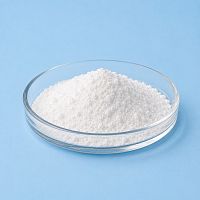
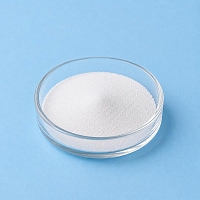
Fumaric acid is an organic compound that has moved well beyond laboratory use to become a widely applied acidulant in food manufacturing, animal feed production, construction chemistry, and household formulations. This item belongs to the Acids, Salts, Alcohols, and Alkalis category, which brings together components used for acidity control and formula stabilization across many production fields. The 50 gram size is a practical choice for home formulators and small studios who want to test a recipe or fine-tune dosage before committing to a larger batch.
The largest share of global demand for fumaric acid comes from the food industry, where it serves as an acidity regulator in beverages, gelatin desserts, confectionery, baking mixes, and seasoning blends, often used alongside or instead of citric acid. Because it delivers a stronger sour profile at lower concentrations, many manufacturers choose it to reduce raw material costs without compromising taste. In animal feed production, fumaric acid is added as an acidifier that helps stabilize gut microflora and improve feed digestibility, an application that accounts for a significant portion of worldwide consumption of this compound.
In construction chemistry, the acid is used as a component in certain additives for concrete mixes and plasters that regulate setting time. In household chemistry and home-based cosmetic production, fumaric acid is frequently used to create fizzing bath products and effervescent tablets, as well as a pH adjuster in cleaning formulations. In fizzing blends it is often paired with baking soda and other organic acids — for example, tartaric acid, which triggers a faster initial reaction, while fumaric acid contributes a prolonged fizz thanks to its slower dissolution rate.
When working with formulations, keep in mind that fumaric acid dissolves in water less readily than citric or tartaric acid, so in cold-process blends it should be added in smaller portions or pre-dissolved in a warm liquid phase. Typical dosage in food and household recipes ranges from 0.1 to 0.5 percent of total formula weight, while in bath fizzy blends it is around 5 to 10 grams per 100-150 gram portion. It is best introduced during the dry-mixing stage or into a room-temperature solution — the acid tolerates moderate heat well, but sharp temperature swings should be avoided to prevent premature reaction with alkaline components.
Fumaric acid pairs well with other organic acids: in combined formulations it is often used alongside adipic acid to achieve a balanced sour profile and extended fizzing, as well as with citric acid, which adds a softer and quicker reaction. This blending of acids with different dissolution speeds is a common technique among household chemistry developers and small cosmetic producers aiming for a long-lasting, even effect.
Store fumaric acid in a dry, well-ventilated area, in a tightly sealed container, away from moisture and alkaline substances to prevent premature reaction. Under proper storage conditions the product retains its properties for a long time without loss of activity.
Slow-Release Fizzing Bath Cubes
Baking soda 100 g
Fumaric acid 9 g
Citric acid 25 g
Cosmetic oil 8 ml
Distilled water 3 ml
Sift the dry ingredients and mix them thoroughly in a separate bowl until fully combined. Add the oil gradually, rubbing it into the mixture with a spoon to prevent clumping. Mist in the water drop by drop using a spray bottle, stirring constantly to avoid triggering the fizzing reaction too early. Pack the finished mixture firmly into molds, press down well, and let it dry at room temperature for at least 24 hours before carefully unmolding.