Bulk-Grade Vitamin C for Continuous Manufacturing Lines
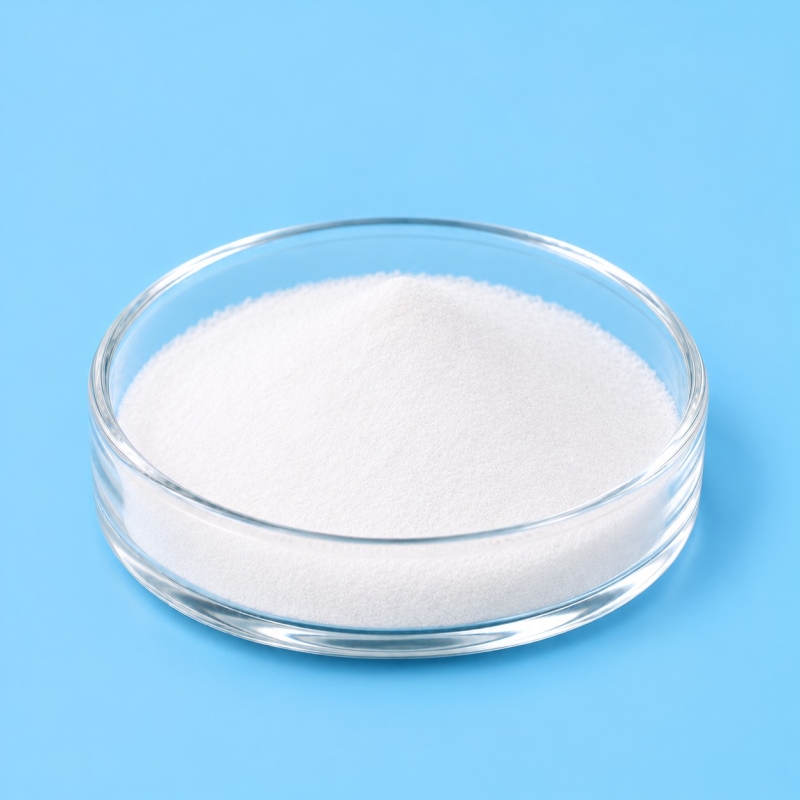
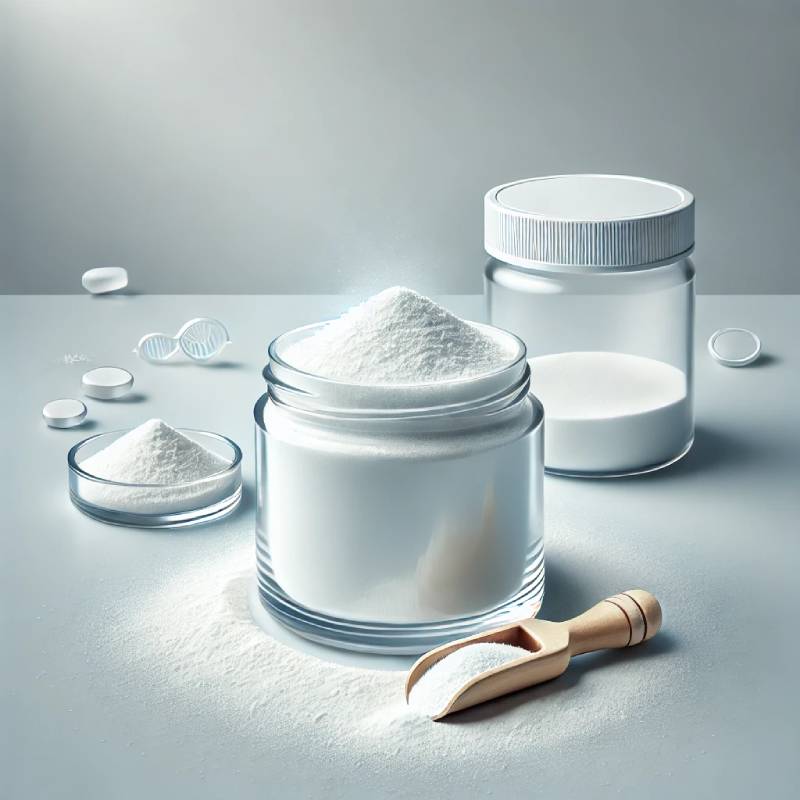
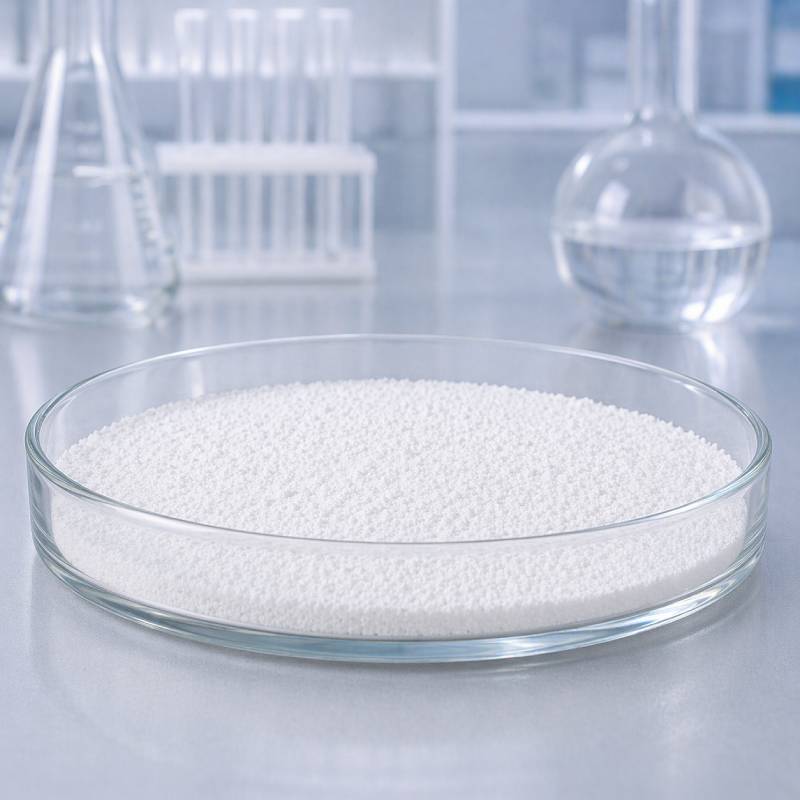
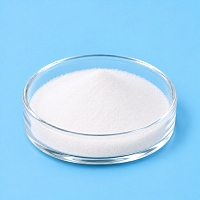
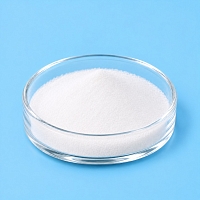
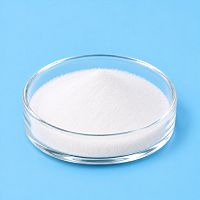
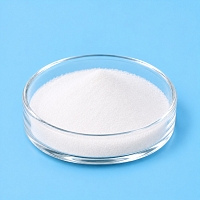
The 25 kg pack of ascorbic acid is built for manufacturers who need a dependable, large-volume supply of a core reducing agent and antioxidant. Global demand for this compound comes primarily from the food industry, where it functions as preservative E300 and a color-and-flavor stabilizer in beverages, meat processing and baked goods, followed closely by pharmaceutical manufacturing (vitamin blends, effervescent tablets, injectable solutions) and the cosmetic sector, where it serves as an antioxidant and brightening agent in serums and creams. This item belongs to the Acids and Alkalis Wholesale section, which brings together core pH-regulating reagents for production lines of any scale.
In food manufacturing the compound is typically introduced during raw material blending at a dosage between 0.01 and 0.1 percent of total mass, depending on whether the goal is fat oxidation control, meat color retention, or beverage fortification. Pharmaceutical formulations may use much higher concentrations, close to the pure substance in tablet form. In cosmetic formulation, the acid is dissolved in the water phase at temperatures not exceeding 40 degrees Celsius, since heat reduces its activity - it is best added at the final cooling stage after the main emulsion has formed. For industrial batches, mixing order matters: the compound is compatible with most organic acids and pairs well with alkaline agents to form buffered systems, such as combining it with Sodium Hydroxide to produce sodium ascorbate, a gentler derivative used in milder formulations.
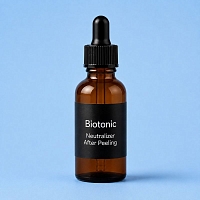
In household chemistry and food technology, ascorbic acid is frequently paired with alkaline buffers to fine-tune the acidity of finished blends - Sodium Bicarbonate is commonly used here, softening the sharpness of the acidic reaction in effervescent mixtures, cleaning formulations and food additives. For larger production lines that need to adjust the alkalinity of process solutions at scale, Washing Soda (Soda Ash) is applied during water treatment stages and for neutralizing residual acidity after processing.
The product should be stored in a dry area away from direct sunlight and moisture, as it is hygroscopic and sensitive to oxidation when exposed to air and metal surfaces. Plastic or glass containers are recommended for dosing, avoiding prolonged contact with iron or copper, which accelerate breakdown of the compound. The 25 kg format suits manufacturers working with steady consumption volumes and planning purchases several months ahead, reducing logistics costs and keeping formulations consistent across the full production cycle.
Brightening Facial Serum Base
Ascorbic acid - 12 g
Distilled water - 75 ml
Glycerin - 6 ml
Hyaluronic acid solution - 7 ml
Dissolve
the ascorbic acid in room-temperature distilled water, stirring until the
crystals fully disappear, then blend in the glycerin and hyaluronic acid
solution until the mixture is smooth and uniform. Transfer the finished serum
into a dark glass bottle and keep refrigerated for no longer than four weeks,
applying it to clean skin before heavier creams.