Why this simple white powder still runs kitchens, factories, and clean-up formulas worldwide
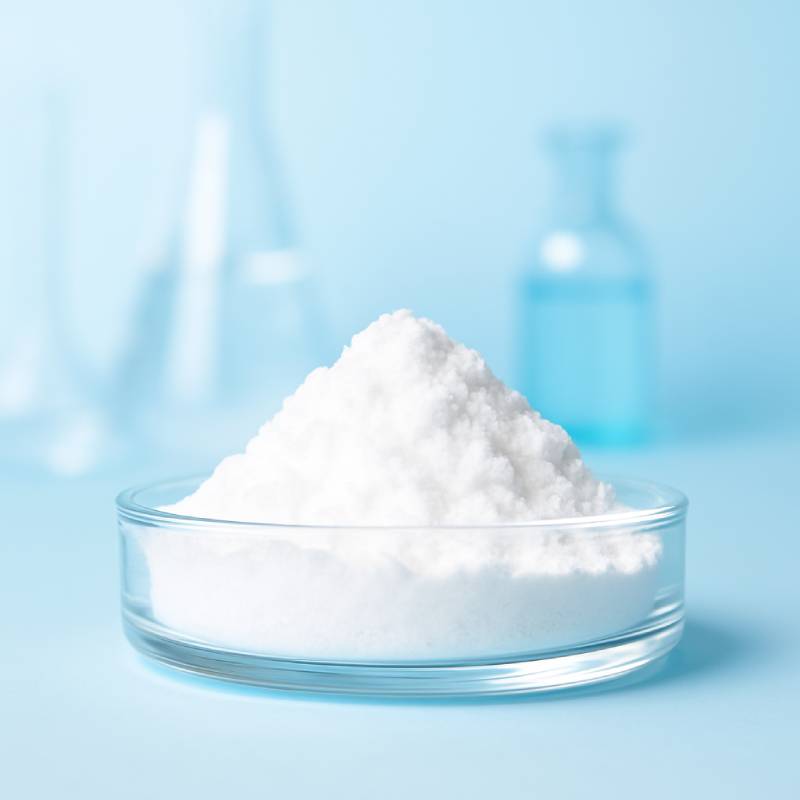
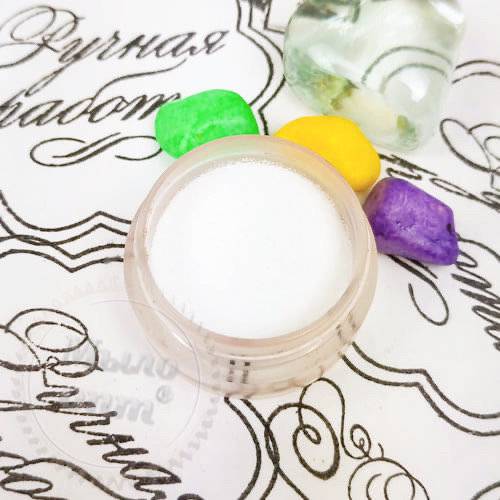
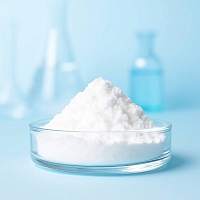
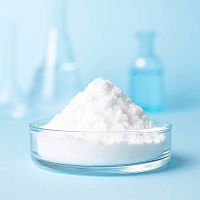
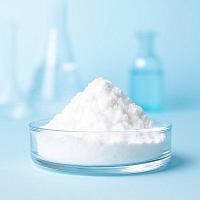
Sodium bicarbonate, widely known as baking soda, is one of the most versatile alkaline compounds on the market and belongs to the section Acids, Salts, Alcohols, and Alkalis, where reagents for pH adjustment and controlled chemical reactions across industries are gathered. The 500 gram package suits home bakers, small-batch cosmetic makers, and hobby chemists who need a steady reserve without reordering every few weeks. Far beyond a simple leavening agent, this compound is a workhorse in food manufacturing, pharmaceuticals, household cleaning, textile processing, and even metal treatment, where it neutralizes acidic residues on surfaces.
In the food industry, sodium bicarbonate remains the primary leavening agent for baked goods, and it is also used to soften legumes during cooking and to balance excess acidity in sauces and beverages. Household cleaning brands rely on it heavily for scouring powders, descaling agents, and odor absorbers, since it binds acidic molecules and neutralizes unwanted smells in refrigerators, footwear, and fabrics. In cosmetic manufacturing, the powder is a key ingredient in bath bombs, exfoliating scrubs, and deodorant formulas, reacting with acids to create the classic fizzing effect and a mild brightening action on skin. Traditional soap making sometimes uses small amounts of it to fine-tune lather texture, though this remains a minor application compared to its industrial and household roles.
Sodium bicarbonate blends smoothly with citric or lactic acid to produce a controlled fizzing reaction, and it pairs well with bulking and texturizing agents in dry formulations. In powdered blend recipes, manufacturers often combine it with Maltodextrin, which acts as a binder and anti-clumping agent during storage. Sports and dietary supplement formulators sometimes include it alongside L-Carnitine in buffering blends aimed at supporting acid balance during intense physical activity. For dry cleaning pastes and mild abrasive compounds, it is frequently paired with Calcium Carbonate, which boosts mechanical scrubbing power without scratching delicate surfaces.
Recommended dosage varies by formula: baking typically calls for 3 to 10 grams per kilogram of flour, bath bomb recipes use 40 to 50 percent of total dry weight, and cleaning pastes range from 20 to 100 percent concentration depending on intended strength. It should be combined with acids only right before use, since the fizzing reaction starts quickly and loses potency after prolonged exposure to moisture. There is no strict temperature limit for adding it into formulas, as it remains stable at room temperature and even under moderate heating up to around 60 degrees Celsius, which is convenient for hot-process blends.
Store sodium bicarbonate in a tightly sealed, moisture-proof container away from strong odors, as the powder readily absorbs ambient humidity and can lose some reactivity if left exposed to open air for long periods. Keep the storage area cool, shielded from direct sunlight, and away from concentrated acids to prevent premature reaction inside the packaging.
Fizzing Kitchen Descaling Paste
Sodium bicarbonate 150 g
White vinegar 100 ml
Warm water 50 ml
Liquid castile soap 20 ml
Lemon essential oil 5 ml
Combine the sodium bicarbonate with warm water in a bowl until a thick paste forms, then slowly fold in the liquid soap and lemon oil while stirring gently. Add the vinegar in small splashes only right before application, since the mixture will begin fizzing immediately, and use the active paste right away on kettles, faucets, or tiled surfaces before rinsing thoroughly with clean water.