Why This Reagent Is a Workhorse for Rust Removal, Wood Bleaching and Metal Treatment
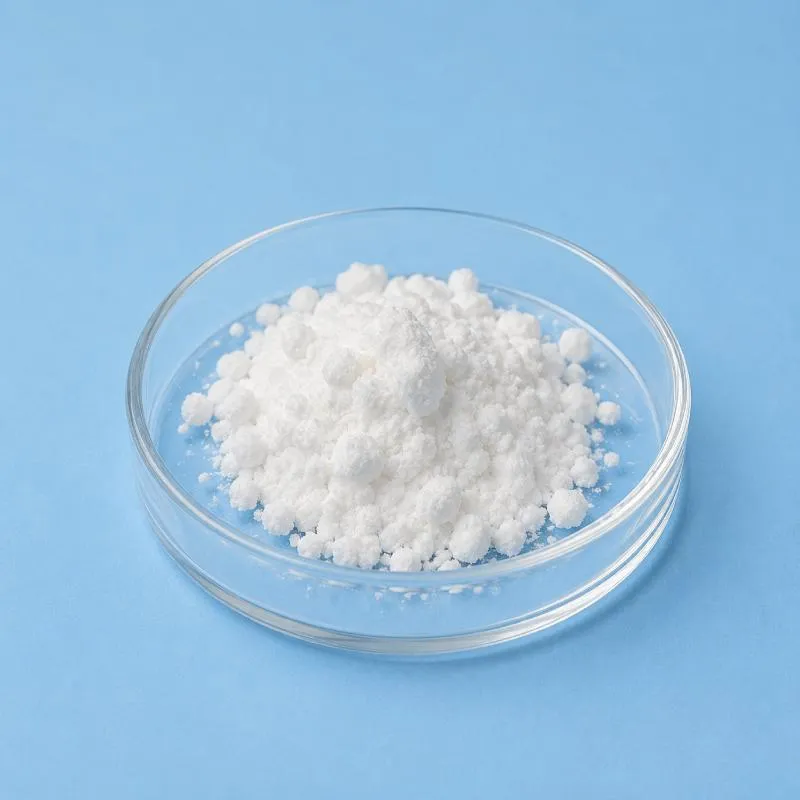
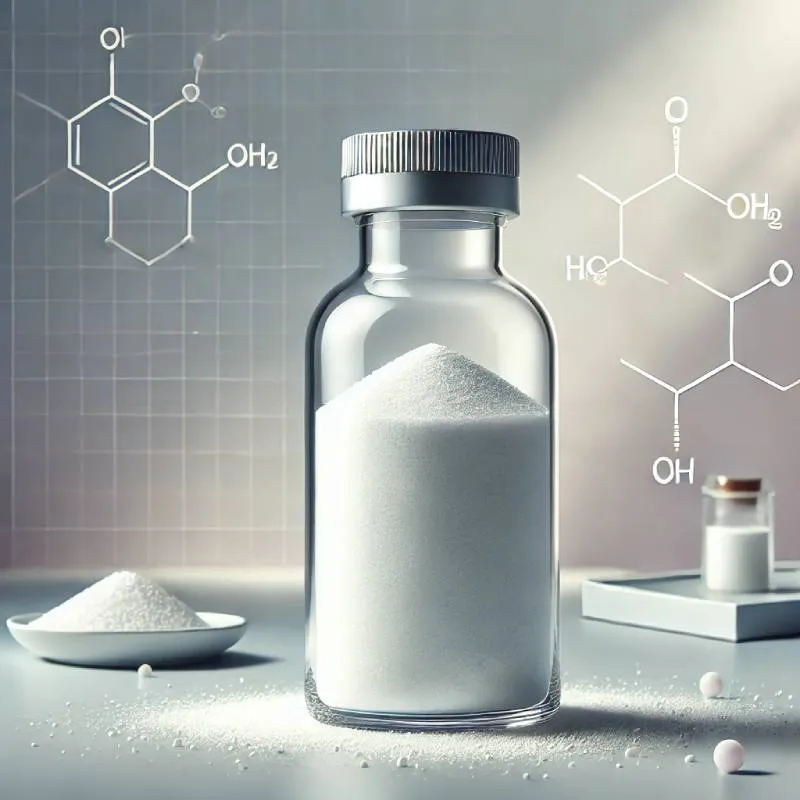
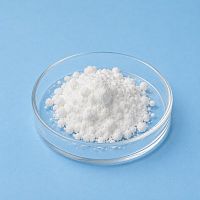
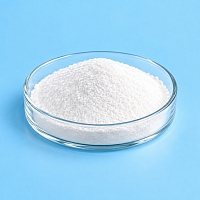
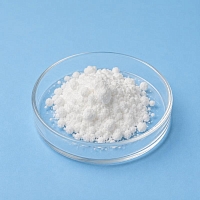
Oxalic acid in a 1 kg pack belongs to the group of technical acids from the Acids, Salts, Alcohols, and Alkalis section, which brings together reagents for laboratory, industrial and household tasks. The compound has strong reducing and chelating properties, binding iron and calcium ions into soluble complexes, which is why it handles stains and deposits that ordinary detergents cannot remove. The main users of this raw material are metalworking shops, woodworking and restoration studios, textile mills, professional cleaning companies and analytical laboratories.
The most common application is removing rust and mineral deposits from metal surfaces: tools, machine parts, radiators, plumbing fixtures and industrial equipment. A working solution is prepared at a rate of 30-50 g of acid per liter of warm water at 40-50 degrees Celsius; parts are soaked for 15 minutes up to several hours depending on the level of contamination, then rinsed thoroughly with clean water. In woodworking, oxalic acid is traditionally used to bleach timber and remove dark stains caused by rust and tannins before restoring furniture, flooring or barrels; the concentration for this task is higher, usually 80-100 g per liter, applied with a brush and followed by neutralization.
In textile production the acid serves as a mordant during dyeing and as a component in stain-removal formulas for ink, fruit and rust marks on cotton and linen fibers. In electroplating and metallurgy it is used for surface etching before coating, while in analytical chemistry it acts as a standard titration reagent. Within household and industrial chemical formulations, it is a common ingredient in descaling agents for boilers and heat exchangers, as well as cleaners for plumbing fixtures, tiles and metal cookware.
Oxalic acid combines well with other organic acids when formulating multi-component cleaning and etching blends, though it should always be stored separately from alkalis and oxidizers. Small workshops and home laboratories often keep it alongside Citric Acid, used for milder household cleaning and food-grade needs, and Succinic Acid, valued in cosmetic and food formulations as an antioxidant. For gentle skincare formulas with an exfoliating effect, formulators usually reach for Phytic Acid instead — both products sit in the same category but serve completely different purposes.
When working with this reagent, use plastic, glass or enameled containers, since contact with untreated metal speeds up the reaction and reduces the solution's effectiveness. Store the acid in a dry, well-ventilated place, tightly sealed, away from food products, alkalis and oxidizers. The 1 kg pack suits regular use in a workshop, cleaning company or small production line, providing enough reagent on hand without frequent reordering or supply gaps.
Metal Rust Removal Soak
Oxalic acid 45 g
Warm water 1000 ml
Dish soap 5 ml
Dissolve
the acid completely in warm water, then add the dish soap to improve surface
wetting. Submerge the metal parts for 20-40 minutes, checking periodically
until the rust loosens, then scrub gently, rinse with clean water and dry
thoroughly. Prepare the solution fresh each time, use it within 24 hours, and
always work with gloves in a well-ventilated area.