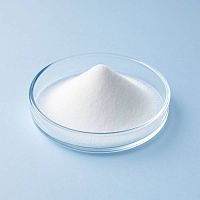
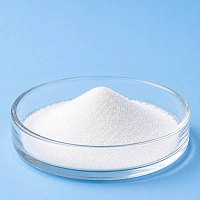
A Small-Batch Compound With Roles in Agriculture, Food and Skincare
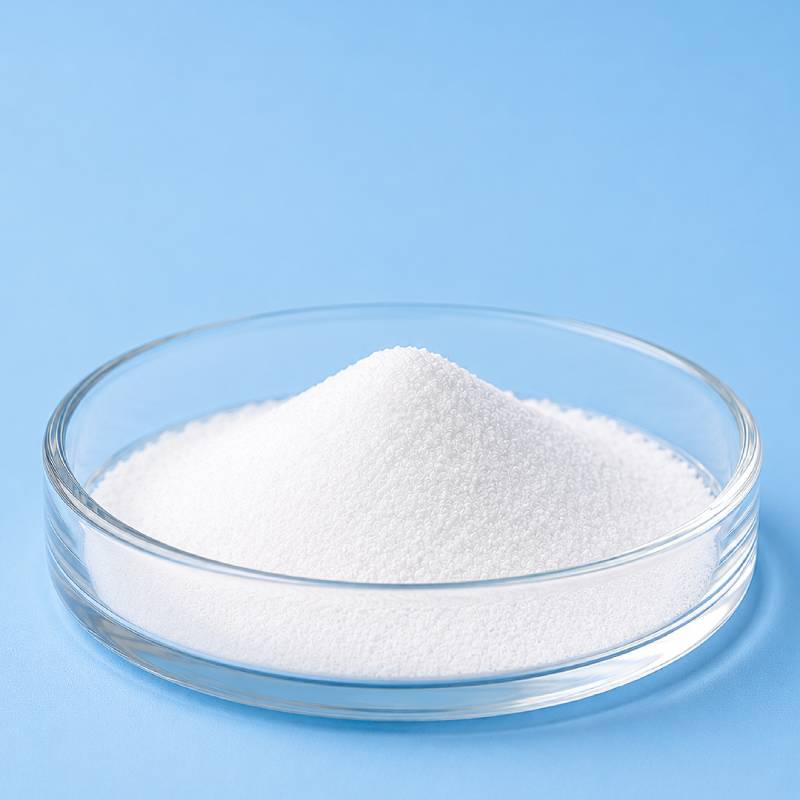
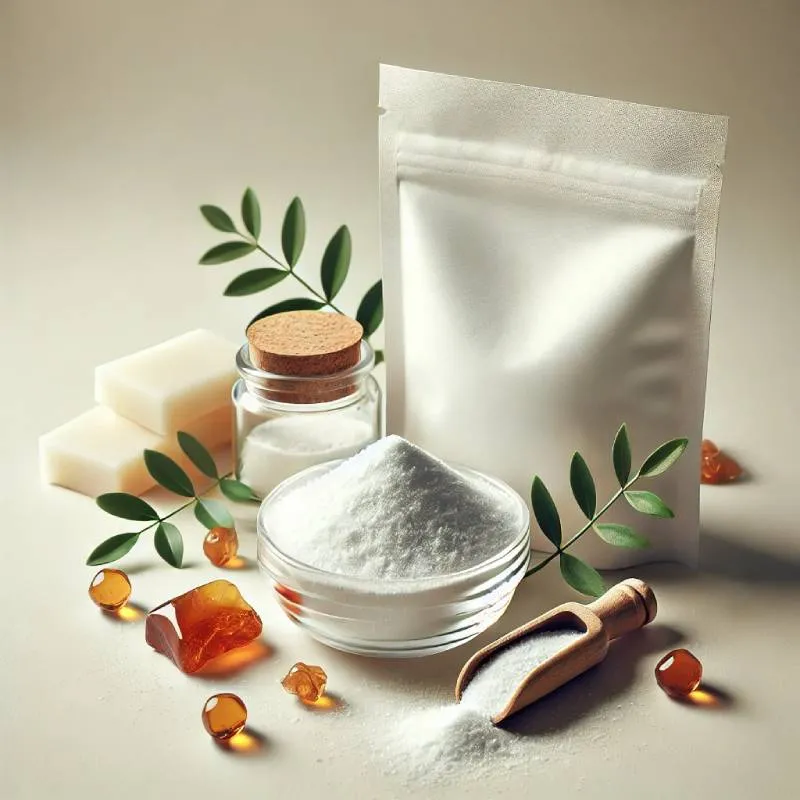
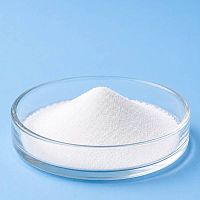
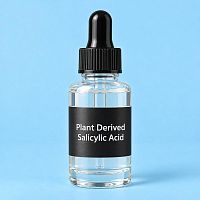
Succinic Acid in a 25 g package is a practical choice for trial batches or for anyone who applies the compound in small, precise doses without needing a bulk supply. This item belongs to the Acids, Salts, Alcohols, and Alkalis section, which brings together organic and inorganic compounds used across many production fields. Despite the modest package size, the substance is highly active at low concentrations, so it lasts a long time even with regular use.
The largest global demand for succinic acid comes from agriculture and home gardening. Growers soak seeds and cuttings in a diluted solution before planting, and use it to feed seedlings and mature plants to encourage stronger root development and better resistance to stress factors such as transplanting shock, drought or sudden temperature changes. A typical dilution is one to two grams per ten liters of water, meaning even a 25 g pack can cover several growing seasons of garden or greenhouse work.
The second major area of use is the food industry and dietary supplement manufacturing, where the compound functions as an acidity regulator and antioxidant that helps extend shelf life and stabilize the taste of beverages, confectionery and preserved goods. In pharmaceutical production, it is included in formulations supporting cellular energy metabolism.
In cosmetic manufacturing, succinic acid is valued for its antioxidant properties and its ability to improve skin firmness. It is added to toners, serums and masks for home formulation at a concentration of 0.5 to 2 percent of the total batch weight, introduced at the final stage of preparation at a temperature not exceeding 40 degrees Celsius to preserve its activity. It combines well with other compounds from the acids and salts section: for example, with Borax 10-hydrate (sodium tetraborate) 50 g in cream emulsions where borax acts as an emulsifier, and with Lauric Acid 50 g in formulas targeting blemish-prone skin, where the fatty acid adds antibacterial support. For scalp and hair growth formulations, succinic acid is often paired with Nicotinic Acid 10 g, since both ingredients support better microcirculation.
In household chemistry, the compound is used to remove limescale and mineral deposits from surfaces, and in candle making small amounts are sometimes added to influence the scent released during burning. Store the acid in a dry, cool place, tightly sealed and protected from moisture and direct sunlight, since it is hygroscopic and can clump when exposed to air.
Antioxidant Facial Mist
Distilled water 90 ml
Glycerin 5 ml
Succinic Acid 0.5 g
Aloe vera juice 4 ml
Preservative as directed by manufacturer
Dissolve the succinic acid completely in room-temperature distilled water, then blend in the glycerin and aloe vera juice using a clean silicone spatula. Add the preservative last, transfer the finished mixture into a clean spray bottle and mist over cleansed skin morning and evening, gently patting to help absorption.