Why Succinic Acid Matters Across Agriculture, Food, and Cosmetic Manufacturing
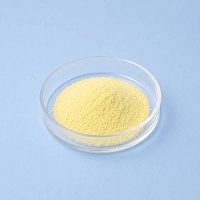
Succinic acid is one of those versatile organic compounds with steady demand across several distinct industries, making it a staple raw material rather than a niche ingredient. A 1 kg package is suited for labs, small workshops, and studio-scale production that require dependable stock without constant reordering of small quantities. This compound belongs to the category of Acids, Salts, Alcohols, and Alkalis, which brings together related reagents used for pH adjustment, formulation stability, and chemical synthesis.
The largest share of global consumption of succinic acid comes from agriculture, where it serves as a plant growth stimulant and soil bioactivator, improving seedling survival rates and overall crop yield. In food manufacturing, the compound functions as an acidity regulator and natural antioxidant, slowing oxidative changes in beverages and processed goods. Pharmaceutical and nutraceutical producers include it in supplements that support cellular metabolism, while the chemical industry relies on it as a building block for esters, resins, and biodegradable polymers used in packaging and coatings.
In cosmetic formulation, succinic acid is valued as an antioxidant and a component that helps regulate sebum production, so it appears in serums and treatments for oily or blemish-prone skin at low usage rates, typically between 0.1 and 2 percent of the total formula weight. It should be added once the main phase has cooled to around 40 degrees Celsius, since prolonged exposure to high heat can reduce its effectiveness. For fine-tuning the acidity of finished blends, formulators often pair it with tartaric acid, which enhances gentle exfoliation, while mandelic acid is added when a mild antibacterial action on congested skin is needed.
In household chemistry and agricultural blends, succinic acid is sometimes combined with alkaline reagents such as potassium hydroxide KOH to produce salts with specific technical properties, for example in the synthesis of certain fertilizers or surfactant intermediates. When working with acids and alkalis together, it is important to follow the correct mixing order and ensure adequate ventilation, since neutralization reactions release noticeable heat.
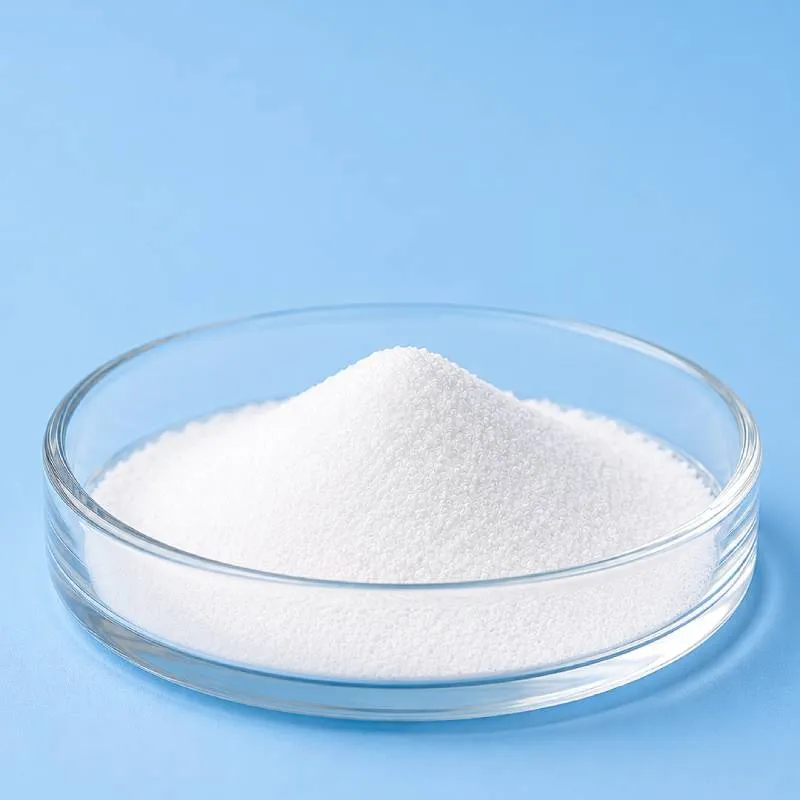
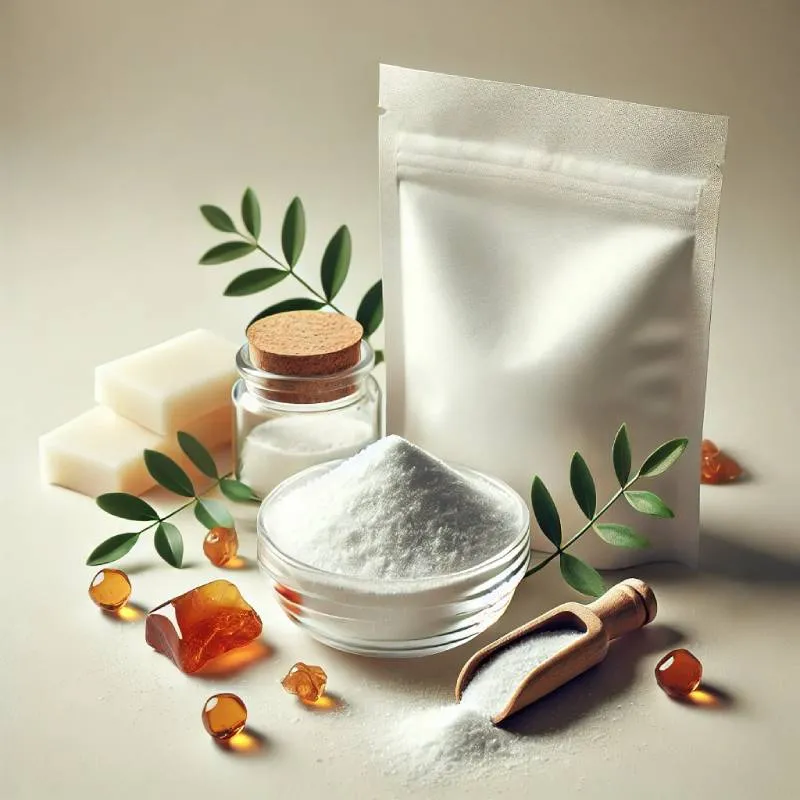
The compound should be stored in a dry area at room temperature, in a tightly sealed container protected from moisture and direct sunlight, which preserves its crystalline structure and activity over time. The 1 kg format works well for laboratories and small production sites that use the ingredient regularly and prefer a stable supply on hand rather than frequent small purchases.
Root-Boosting Watering Solution for Young Plants
Succinic acid 2 g
Warm water 10000 ml
Dissolve the crystals completely in a small amount of warm water, then top up with the remaining room temperature water to reach the full volume. Use the resulting solution to water seedlings at the root every two weeks, which helps strengthen root development and improves plant resilience after transplanting.