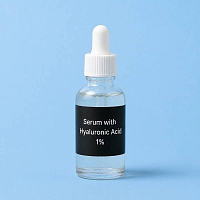
Why Manufacturers Rely on Low Molecular Weight Hyaluronic Acid for Deep Hydration Formulas
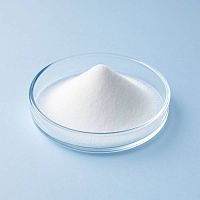
Low molecular weight hyaluronic acid stands out among hydrating actives for its ability to penetrate deeper into the epidermis rather than simply sitting on the skin surface, which is typical for larger molecular fractions. This property has made it one of the most sought-after ingredients across the global skincare and personal care industry, widely used in serums, creams, emulsions, and professional treatment lines. This product belongs to the category Hyaluronic Acid and Actives for Cosmetic, which brings together molecular fractions suited to different formulation goals.
The 500 gram package is designed primarily for industrial and conveyor-line manufacturing, where consistent raw material quality across large batches is essential. This format suits contract manufacturers, private label producers, and companies supplying professional care lines to salons and aesthetic clinics. Beyond cosmetics, low molecular weight hyaluronic acid is also applied in pharmaceutical production for topical gels and solutions, as well as in nutraceutical manufacturing and functional beverages, thanks to its pronounced water-binding capacity at the cellular level.
Because of its small molecular size, this fraction is frequently combined with high molecular weight hyaluronic acid to achieve a layered hydration effect: the larger molecule forms a surface film while the smaller one penetrates deeper layers, creating a reservoir of moisture beneath the skin surface. For such combined formulas, high molecular weight hyaluronic acid is often paired with the low molecular fraction to build this multi-level hydration approach. Medium molecular weight fractions are also commonly used in industrial recipes, represented by medium molecular weight hyaluronic acid, allowing formulators to cover the full spectrum of molecular weights within a single product.
The ingredient should be introduced into the cold water phase at a temperature not exceeding 40 degrees Celsius, since higher temperatures may cause partial breakdown of the polymer chain and reduce the viscosity of the finished formula. Typical recommended dosage in finished products ranges from 0.1 to 1 percent depending on the desired texture and active concentration. Before adding, the powder should be pre-dispersed in a small amount of water and allowed to fully swell, then introduced into the main phase under constant stirring until a smooth, lump-free mixture is achieved.
Low molecular weight hyaluronic acid shows strong synergy with panthenol, niacinamide, algae extracts, plant-derived polysaccharides, and peptide complexes that support the skin barrier. For small-batch testing or pilot formulations, a more compact option such as Hyaluronic Acid HySilk may be more practical before scaling up to full production volume.
The raw material should be stored in a dry place protected from direct sunlight, in a tightly sealed container, since the compound is highly hygroscopic and readily absorbs moisture from the air, which can affect its handling properties over time. When stored correctly and introduced at the proper temperature, the product maintains stable performance throughout its full shelf life, which is particularly important for manufacturers working on regular supply schedules.
Industrial-Scale Hydrating Gel Base
Distilled water 920 g
Low molecular weight hyaluronic acid 4 g
Glycerin 28 g
Panthenol 18 g
Preservative 10 g
Aloe vera extract 45 g
Fragrance 5 g
Disperse
the hyaluronic acid powder into 130 grams of cold water and let it swell for
about 40 minutes until a smooth, lump-free gel forms. Combine the remaining
water with glycerin and aloe vera extract, then slowly blend in the swollen
hyaluronic acid gel under continuous stirring. Add panthenol, preservative, and
fragrance, mix thoroughly until fully homogeneous, and transfer the finished
gel into prepared containers for quality control and batch packaging.