Why Glycine Powder Matters Across Food, Sports and Cosmetic Industries
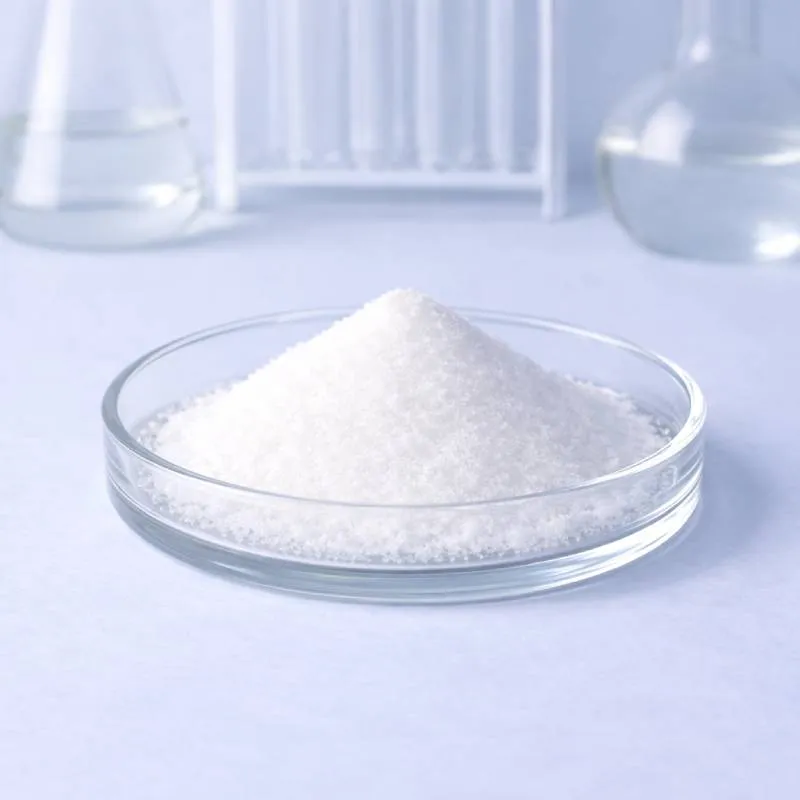
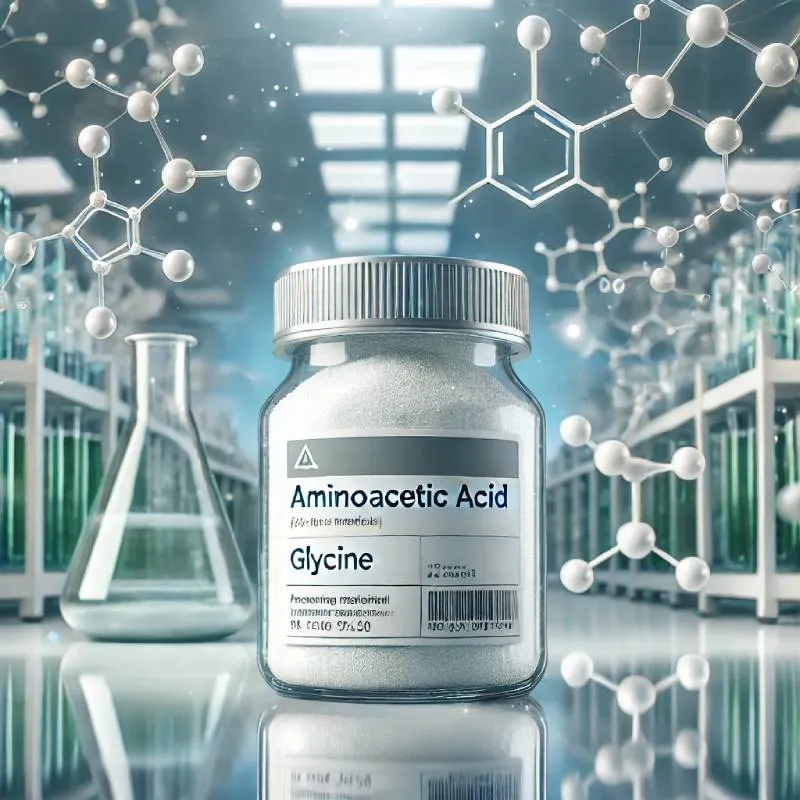
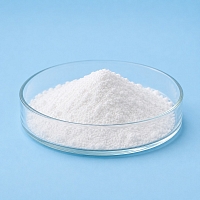
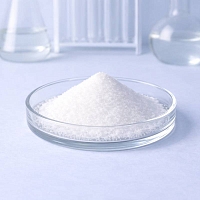
Aminoacetic acid, commonly known as glycine, is the simplest amino acid with applications reaching far beyond a single field. This product belongs to the category of Amino Acids, and it is widely used in food manufacturing, sports nutrition, pharmaceutical production and cosmetic formulation. The 100 gram package is well suited for home use, recipe testing and small trial batches when a formulator needs to check dosage before scaling up to larger production.
In the food industry, glycine works as a flavor enhancer and a natural preservative that slows the growth of certain bacteria, which is why it appears in meat and fish preparations, canned goods and snack products. Its mildly sweet taste allows it to serve as a partial sugar replacement in some formulations without leaving an unpleasant aftertaste. In sports and functional nutrition, glycine is valued for supporting normal nervous system function, contributing to collagen and creatine synthesis, and helping with better quality sleep. Athletes often pair it with other amino acids, such as Citrulline in pre-workout blends or L-Glutamine for post-workout recovery support.
Within cosmetic manufacturing, glycine acts as a humectant and conditioning agent, and it also functions as a pH buffer that stabilizes the acidity of the finished formula. It is commonly introduced into serums, creams, hair care products and occasionally into soap recipes, where it works gently alongside surfactants. A typical dosage for cosmetic emulsions ranges from 0.5 to 3 percent of total weight, added during the final water phase at temperatures not exceeding 40-45 degrees Celsius to avoid breaking down the molecule through prolonged heating.
The pharmaceutical sector uses aminoacetic acid as an auxiliary substance in tablet and solution manufacturing, as well as a component of buffer systems for injectable preparations. In the chemical industry, glycine serves as a reagent for synthesizing metal complex compounds, is applied in electroplating solutions, and is used in household cleaning formulations where it helps bind metal ions.
Glycine is compatible with nearly all water-soluble amino acids and mineral additives without causing unwanted reactions. When building complex formulas, it is frequently combined with L-Arginine Hydrochloride to strengthen the overall amino acid profile for sports or personal care applications.
Store the powder in a dry place protected from direct sunlight, at room temperature, in a tightly sealed container to prevent moisture absorption from the air. When storage conditions are properly maintained, the shelf life typically extends to several years.
Calming Evening Glycine Tonic
Glycine powder 2 g
Warm water 200 ml
Honey 10 g
Fresh orange juice 15 ml
Dissolve the glycine powder completely in warm water, then stir in honey until fully blended and add fresh orange juice for flavor. Drink slowly in the evening, about an hour before bedtime, and keep the remaining powder in an airtight container between uses.