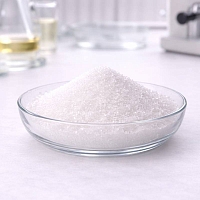
The Industrial and Household Power of Citric Acid Monohydrate
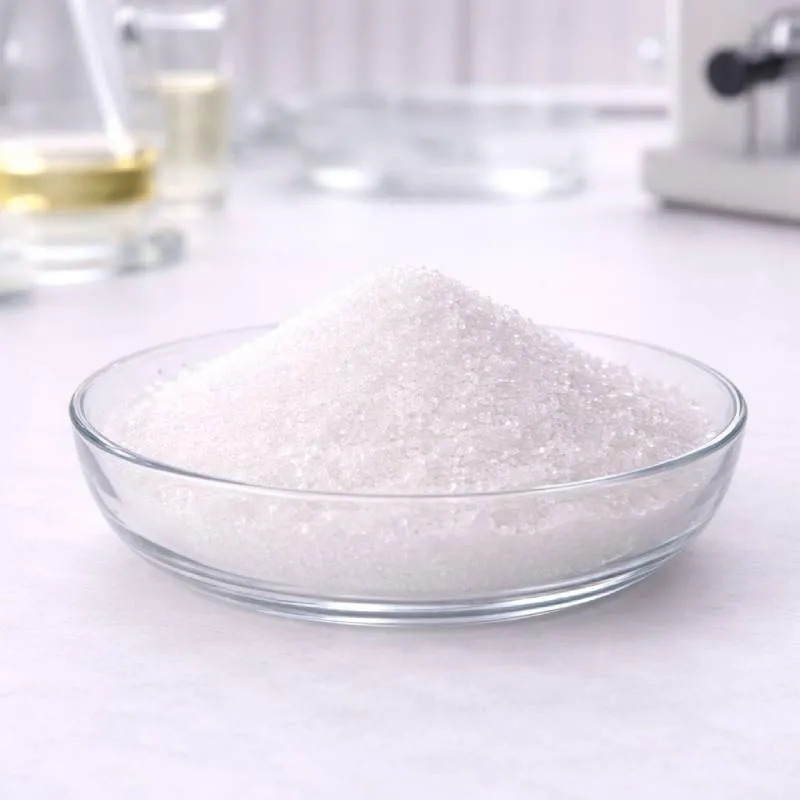
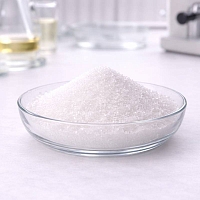
Citric acid monohydrate ranks among the most globally demanded organic acid raw materials, with the largest share of demand coming from the food industry, household cleaning formulations, and descaling products, followed by cosmetic and pharmaceutical applications. As part of the broader group of acidic and alkaline reagents, this ingredient belongs to the Acids, Salts, Alcohols, and Alkalis section, which brings together compounds used for pH adjustment and neutralization of alkaline systems.
In food manufacturing, citric acid functions as an acidity regulator and natural preservative extending shelf life in beverages, sauces, confectionery, and canned goods. Typical dosage ranges between 0.1 and 1% of product mass, introduced at the final stage of processing to avoid degrading preservative properties during prolonged heating. In household chemistry, the acid is a cornerstone ingredient for descaling and limescale removers, with higher concentrations of 5 to 20%, working effectively in both cold and warm water heated to 40-50°C, dissolving carbonate deposits in kettles, washing machines, and dishwashers.
A separate area of application is neutralizing excess alkalinity in technical solutions. When a strong alkaline reagent such as Potassium Hydroxide KOH 500 g is used in a production process, citric acid allows for a gentle adjustment of the solution toward neutral pH values, which is important when preparing liquid cleaning compounds and industrial blends. For smaller test batches, the reduced pack Potassium Hydroxide KOH 100 g is a convenient option when precise alkali dosing is required before neutralization.
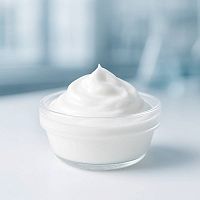
In cosmetic manufacturing, citric acid is used to adjust the acidity of finished creams, toners, shampoos, and cleansing gels to values comfortable for skin, typically within 0.1-2% of the phase mass. It is added during the cooling stage of the base mixture, below 40°C, to avoid degrading active emulsion components. It pairs well with acidic exfoliation systems, including professional peels such as Salicylic Acid 20% Peel 10 ml, where the acid balance of the finished product is critical for safe application.
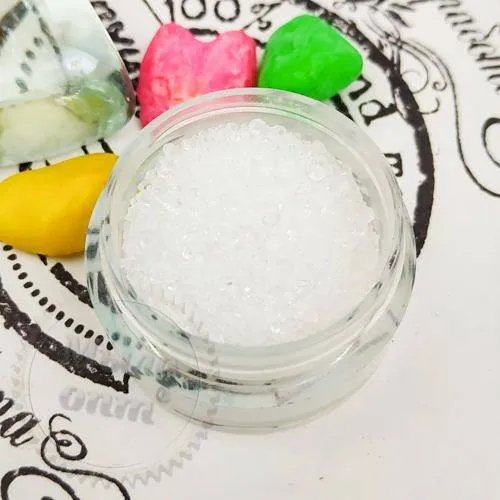
The 500 g pack size is well suited for home formulation projects, household cleaning blends, and small trial batches in workshops, offering enough material to test a formula before scaling to larger production volumes. Store the acid in a dry, tightly sealed container away from moisture and direct sunlight, as the monohydrate form is sensitive to humidity and may clump if storage conditions are not maintained.
Citric acid is broadly compatible with food additives, mineral salts, surfactants, and plant extracts, but requires caution around metal containers, since prolonged contact with dissolved solutions may cause corrosion over time.
Homemade Descaling Solution for Kitchen Appliances
Citric acid monohydrate 50 g
Warm water 450 ml
White vinegar 20 ml
Dissolve the citric acid in warm water heated to about 45°C, stirring until the crystals fully dissolve. Once the solution cools slightly, add the vinegar and mix gently. Pour the mixture into the reservoir of a kettle, coffee maker, or dishwasher and run a standard cycle, then rinse thoroughly with clean water to remove any residue before regular use.