Why Sodium Hydroxide Remains a Backbone Reagent for Manufacturing
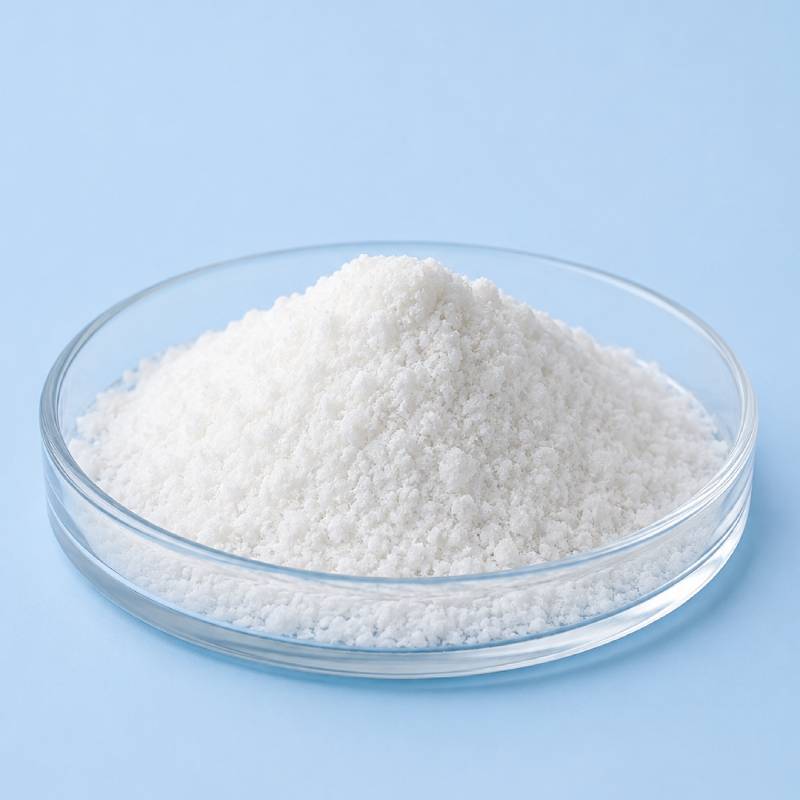
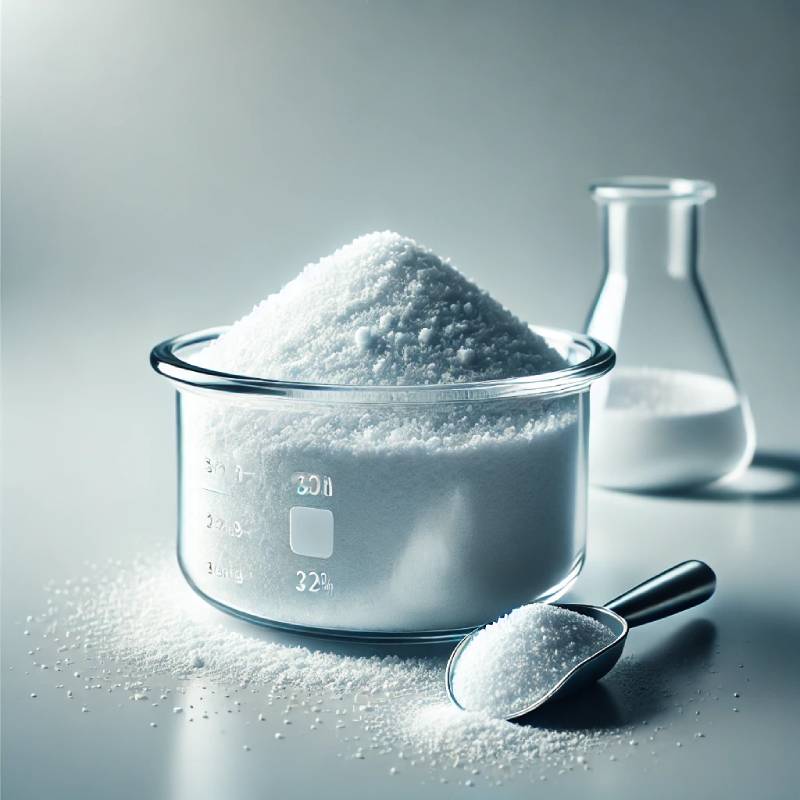
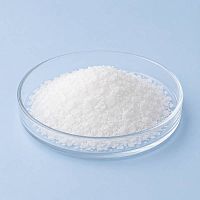
Sodium Hydroxide, widely known as caustic soda or lye, is one of the most demanded alkaline reagents across global manufacturing. The 1 kg package suits small workshops, teaching laboratories, and studio-scale production runs where a formulation is tested before scaling up to larger volumes. This product belongs to the category Acids, Salts, Alcohols, and Alkalis, which brings together reagents used for pH adjustment, neutralization, and industrial synthesis.
The largest share of worldwide demand for sodium hydroxide comes from pulp and paper manufacturing, textile processing, drinking water and wastewater treatment, petrochemical refining, and biodiesel production from used cooking oils. In food processing it is used for surface treatment of certain baked goods, cleaning of tanks and equipment, and pH adjustment during olive and cocoa bean processing. Household chemistry relies on it for drain cleaners, heavy-duty degreasers, and oven cleaners. A well-known but narrower application is solid soap making through cold or hot process saponification, where the alkali reacts with vegetable and animal fats.
Handling the reagent requires a strict mixing order: the lye is always added into water in a thin stream, never the reverse, since the dissolution reaction is strongly exothermic and the solution temperature can exceed seventy degrees Celsius. Gloves and eye protection are recommended, along with adequate ventilation. After preparation, the solution should cool down to the working temperature, typically thirty five to forty five degrees Celsius for most saponification recipes.
Dosage depends entirely on the intended task. For fat saponification the exact amount is calculated individually using a saponification calculator, usually around six to nine percent of the total oil weight with an allowance for superfat. For drain cleaning solutions the concentration is considerably higher, reaching ten to fifteen percent. In laboratories and manufacturing settings, sodium hydroxide is used for preparing buffer solutions, titration, and neutralizing acidic effluents.
After saponification is complete, residual free alkali is sometimes neutralized with a mild solution based on Citric Acid Monohydrate, which helps fine-tune the final product balance more gently. In household chemistry, caustic soda is often paired with Isopropyl Alcohol Absolute to formulate strong degreasing concentrates, where the alcohol improves surface wetting and speeds up removal of oily residue. In food processing lines, after alkaline treatment steps, Maltodextrin is frequently used as a technological filler in dry blends for further raw material processing.
Sodium hydroxide should be stored in a tightly sealed container, in a dry place away from moisture and direct sunlight, since the substance actively absorbs water from the air and loses its original properties over time. Containers must be made of materials resistant to alkali, aluminum vessels are unsuitable for handling it.
Small-Batch Biodiesel Feedstock Cleanup Solution
Sodium Hydroxide 8 g
Methanol 200 ml
Used cooking oil 1000 ml
Warm water 500 ml for washing
Dissolve
the sodium hydroxide completely in methanol using a heat-resistant container,
stirring until no granules remain, then combine this mixture with the warmed
used cooking oil and stir vigorously for ten minutes. Let the mixture settle
for several hours until glycerin separates at the bottom, drain it off, then
wash the remaining biodiesel layer gently with warm water several times until
the rinse water runs clear.