Product Description
Sourcing and specification details
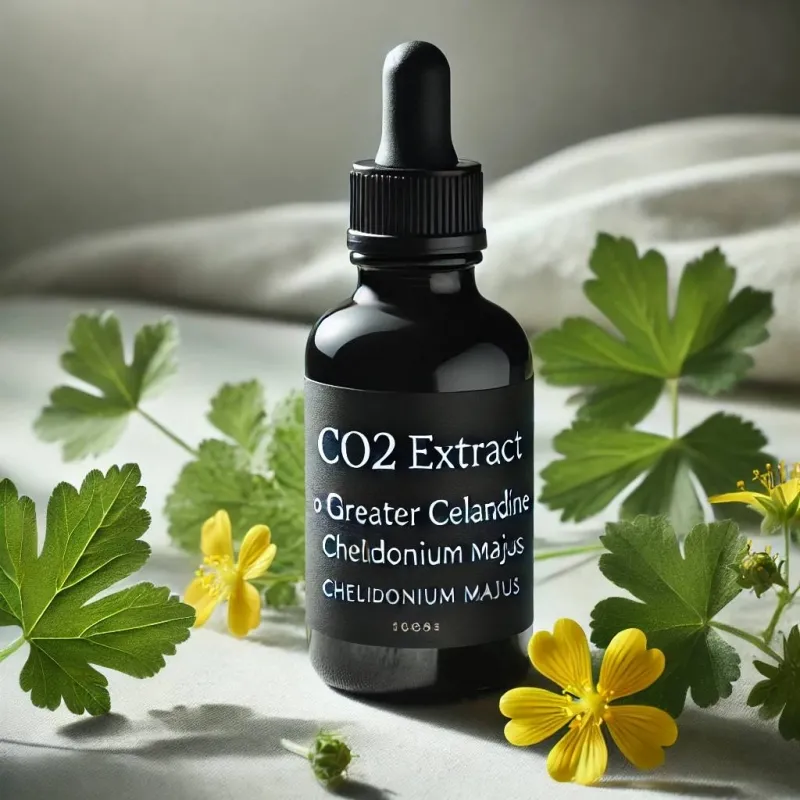
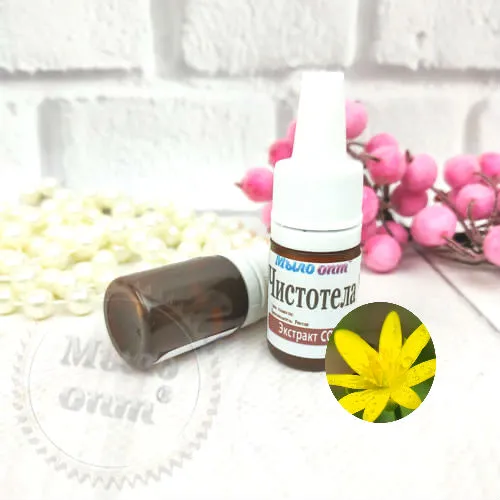
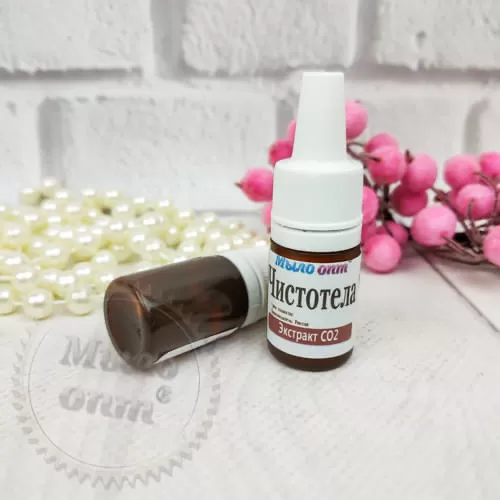
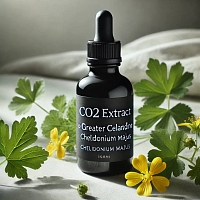
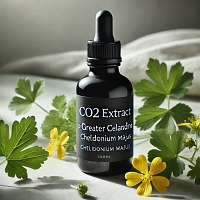
Celandine CO2 Extract is produced from Chelidonium majus L. herb sourced in Ukraine. The material appears as an oily mass rich in flavonoids, phytosterols including dihydrochondrillasterol and dihydrospinasterone, terpenes and fatty acids. Each 100 g unit is packed in transport-grade containers suitable for global shipment. Buyers in supplement and food manufacturing sectors source this botanical raw material through CO2 Extracts Wholesale channels.
Technical parameters for formulation
Recommended input level ranges from 0.01 to 2 percent. The extract dissolves exclusively in oils and lipids, requiring incorporation into the oil phase below 40 degrees Celsius. Shelf life extends to December 2028 when stored in a clean dry location. These parameters support consistent performance across cosmetic, supplement and food-grade applications.
Role in cosmetic laboratory work
Formulators incorporate the extract into serums and body balms to support skin comfort and elasticity. In hair and scalp preparations it assists in maintaining balance for oily conditions. The lipophilic nature ensures even distribution within emulsions and anhydrous systems.
Use by supplement and food manufacturers
International B2B clients purchase the extract as a botanical ingredient for dietary supplements and functional food blends. Confectionery producers and beverage factories include it in drink mixes and nutritional products as a plant-derived component. Retail and wholesale volumes are available alongside larger formats such as Celandine CO2 Extract 1 kg.
Example formulation for a lipid serum
Jojoba oil 40 g, shea butter 20 g, extract 1 g, tocopherol 0.5 g. Melt butters and oils together, add extract at 35 degrees Celsius, stir until homogeneous, then package. The resulting anhydrous serum suits targeted application on body and scalp areas.
Storage guidelines and FAQ
What packaging options exist beyond 100 g?
Additional sizes are offered through the Extracts Wholesale section for industrial buyers.
Does the extract require special handling during transport?
Standard temperature-controlled shipping maintains integrity; avoid prolonged exposure above 40 degrees Celsius.
Is it suitable for anhydrous products only?
Primary use is in lipid-based systems, though emulsions are possible with appropriate emulsifiers.
How does it behave in heated processing?
Stability remains intact below 40 degrees Celsius; higher temperatures may alter viscosity and require reformulation testing.