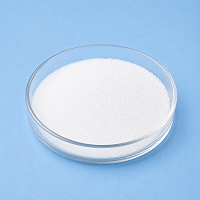
What makes fructose valuable beyond the food industry
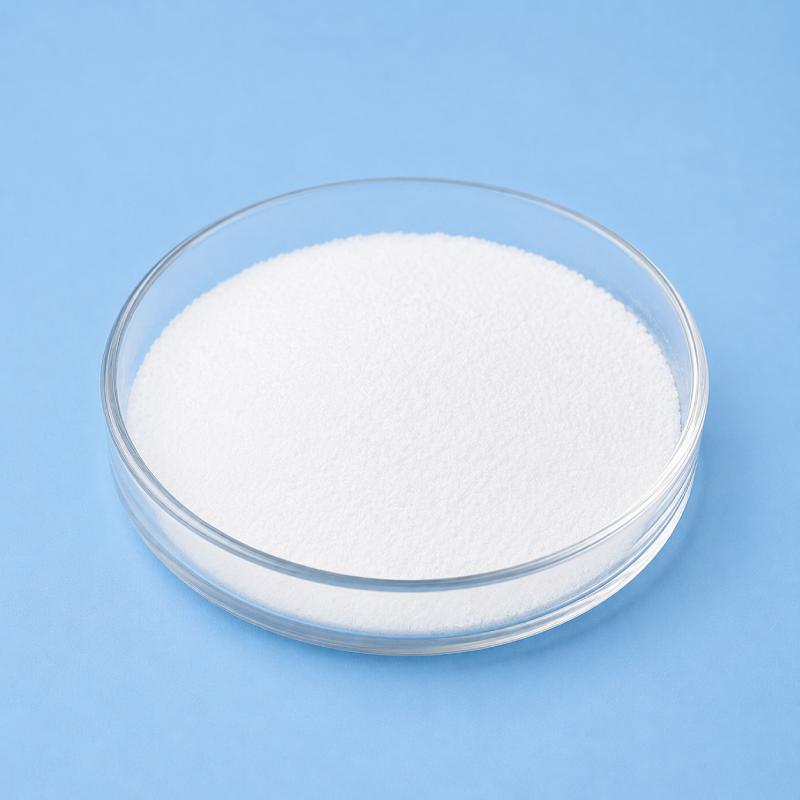
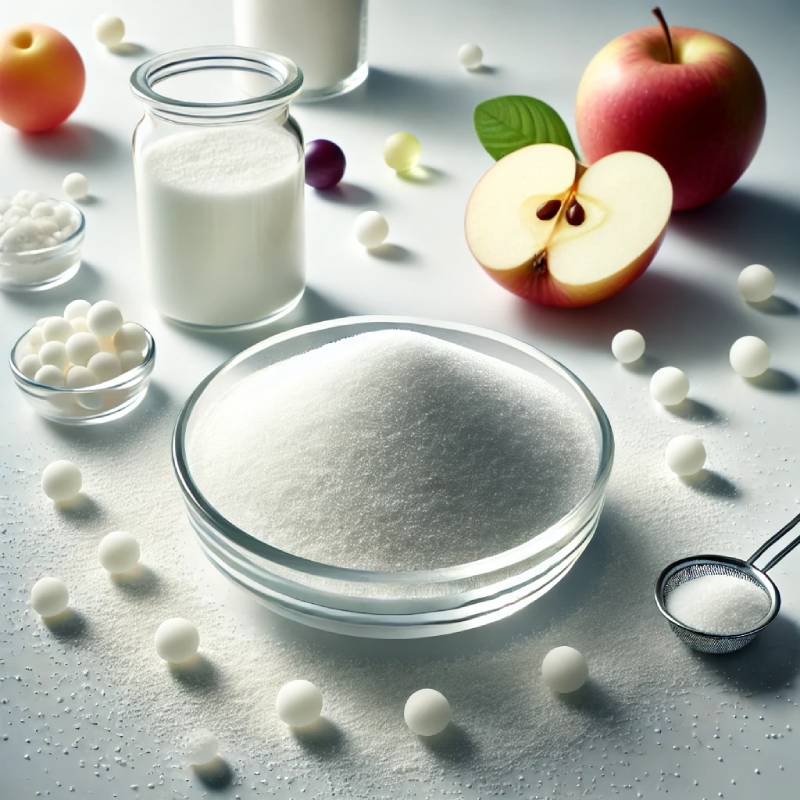
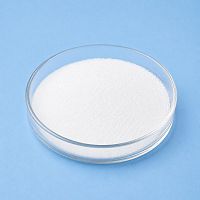
Fructose is widely recognized as a natural sugar used in food manufacturing — syrups, beverages, confectionery, infant nutrition and diet products all rely on this ingredient for its pronounced sweetness at a comparatively lower glycemic impact. Yet the real demand for fructose extends well beyond the kitchen. In pharmaceuticals it serves as a filler and sweetening agent in syrups and dissolvable dosage forms, while in cosmetic manufacturing it is valued for its hygroscopic nature — the ability to attract and retain moisture in the upper layers of the skin. That is why this raw material belongs to the Cosmetic Raw Materials section, gathering components used for both home formulation and industrial production of personal care goods.
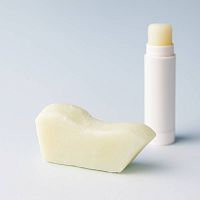
In cosmetic formulas fructose is introduced into moisturizing creams, lotions, toners, masks and lip balms as a natural humectant, frequently paired with glycerin, sorbitol or panthenol — this combination improves moisture retention and gives the finished product a more comfortable texture. Typical dosage in finished cosmetic formulations ranges from 1 to 5 percent, and the ingredient is best introduced into the water phase at 40-60 degrees Celsius after being pre-dissolved in a small amount of water. Prolonged heating above 100 degrees should be avoided, since fructose tends to caramelize under strong heat, altering the properties of the final product.
Another notable application area is handmade and small-batch soap making, where fructose is blended into melted base to increase clarity and softness of the lather. This technique is commonly used by crafters working with Cream Soap Base 1 kg, while larger production volumes are better served by SLS Free Soap Base 12 kg and SLS Free Soap Base 46 kg for studio or line production.
The 1 kg packaging is aimed primarily at home crafters, beginner formulators and small trial batches — this quantity is sufficient for repeated testing of moisturizing cream recipes, syrups, toothpaste bases or transparent soap experiments without unnecessary expense. Fructose should be stored in an airtight container, in a dry and cool place away from moisture, since its high hygroscopicity makes the product sensitive to humidity and prone to clumping. Under proper storage conditions the shelf life remains long without loss of properties.
Compatibility of fructose with other ingredients is practically unrestricted: it blends well with plant extracts, essential oils, preservatives and thickeners, and does not conflict with most surfactants or emulsifiers, making it a convenient universal ingredient for cosmetic emulsions as well as food and pharmaceutical compositions.
Hydrating fructose facial mist
Purified water 150 ml
Fructose 8 g
Glycerin 5 ml
Aloe vera extract 10 ml
Chamomile essential oil 1 ml
Preservative 1 ml
Dissolve the fructose in warm water at around 50 degrees Celsius until fully dissolved, then add the glycerin and aloe vera extract, stirring thoroughly. Once the mixture cools to room temperature, add the chamomile essential oil and preservative, pour the finished mist into a clean spray bottle and apply to the face morning and evening for a light moisture boost.