Supporting Skin Renewal and Barrier Repair with a Botanical Complex
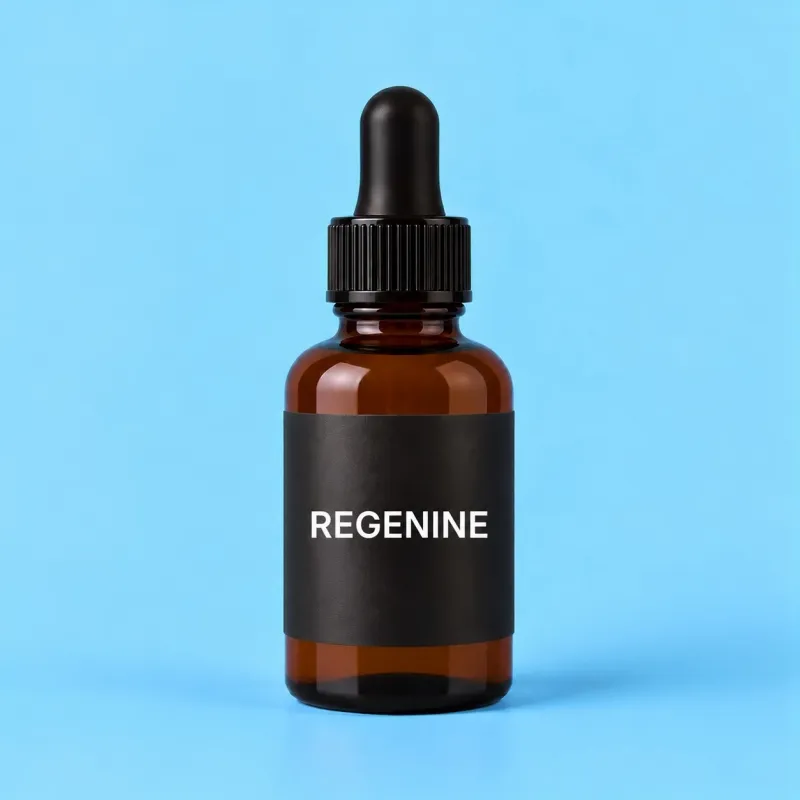
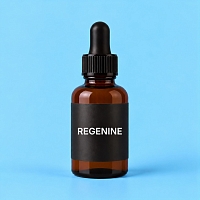
Formulators working on repair-focused and anti-aging skincare increasingly rely on multi-component plant extract blends that can simultaneously stimulate cell turnover, calm stressed tissue and reinforce the skin's natural barrier. REGENINE belongs to exactly this category and is listed within the Botanical Extract Complexes section. The 1 liter format is aimed at studio-scale and small-batch manufacturers who have already moved past pilot testing into regular limited production runs and need consistent, repeatable raw material performance.
The primary application area is skincare for mature or environmentally stressed skin, post-procedure care after peels or resurfacing treatments, and after-shave or post-depilation products where fast irritation relief matters. Beyond that, regenerating extract blends are widely used in dermo-cosmetic formulations, products for blemish-prone skin, and after-sun care lines where the skin needs help restoring its lipid layer quickly. A separate demand segment comes from professional and clinical skincare brands supplying salons and aesthetic medicine practices, where concentrated regenerating complexes are typically dosed into serums, ampoules and intensive treatment masks.
From a formulation standpoint, REGENINE should be added to the cool phase of an emulsion, at a temperature no higher than 35-40 degrees Celsius, to preserve the activity of the botanical actives. A typical working dosage for creams, serums and lotions ranges from 1 to 5 grams per 100 grams of the finished formula, while intensive ampoule concentrates can go up to 8-10 grams following stability and compatibility testing. The complex pairs well with hyaluronic acid, panthenol, carrier oils and other extract blends, giving formulators flexibility to build multifunctional recipes for a specific skin concern.
An interesting formulation direction is combining REGENINE with raw materials rich in natural saponins and phytosterol precursors, such as Dioscorea Caucasian - rhizomes, 1 kg, commonly used in combined anti-aging and firming recipes. For larger production runs, the same root is available as Dioscorea Caucasian - rhizomes, 10 kg, which is convenient when scaling a formula from pilot batches to serial output. When the project extends into scalp and hair care, a regenerating complex is logically complemented by Complex CO2 Control Oily hair 1 kg, which helps balance sebum production within combined hair care ranges.
REGENINE should be stored in a tightly closed container, away from direct sunlight, ideally at a temperature between 4 and 20 degrees Celsius, avoiding sharp temperature swings and prolonged air exposure once the packaging is opened. Following proper storage and addition temperature keeps the complex performing as expected throughout its shelf life, which matters for labs that reorder raw materials on a regular schedule.
Repair Serum for Post-Procedure Skin
Distilled water 70 g
Glycerin 5 g
Lightweight serum emulsifier 3 g
REGENINE botanical complex 22 g
Panthenol 3 g
Centella asiatica extract 5 g
Broad spectrum preservative 2 g
Dissolve the emulsifier and glycerin in the water phase and warm gently to 40 degrees Celsius over a water bath, then remove from heat and let it cool to 35 degrees. Blend in the REGENINE complex, panthenol and centella extract, stirring until fully homogeneous, then add the preservative and mix again thoroughly. Transfer the finished serum into a dark glass bottle with a pump dispenser and allow it to stabilize at room temperature for 24 hours before first use.