Enzyme Facial Peel for powder cleansers gel masks and spa formulations
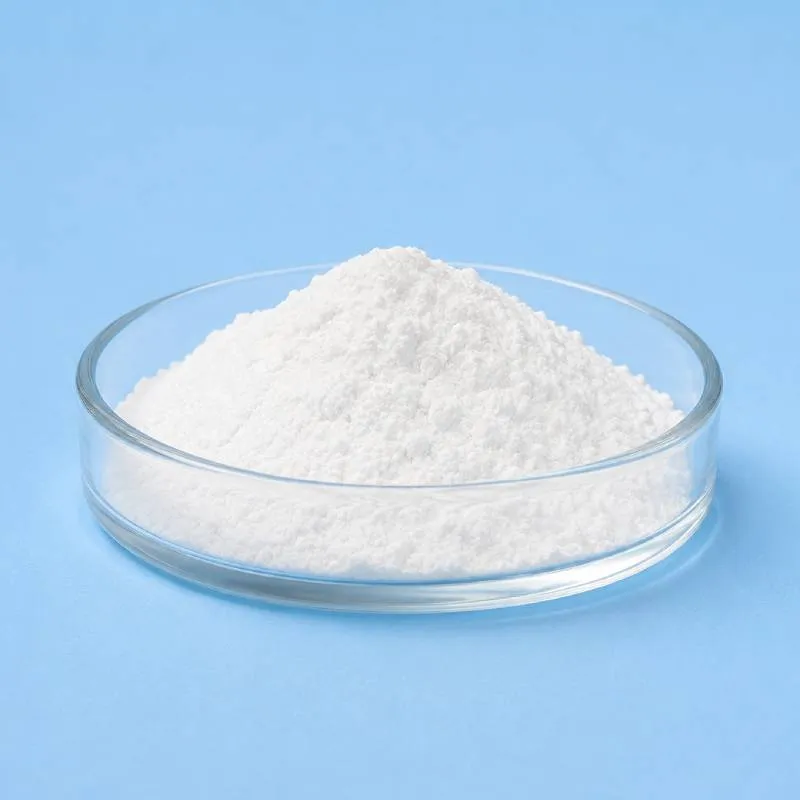
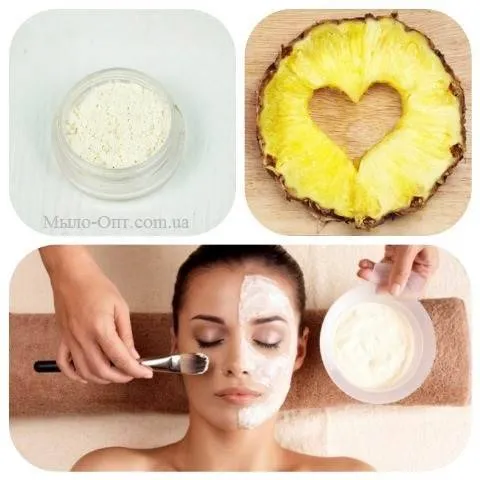
An Enzyme Facial Peel is a cosmetic exfoliating format built around enzymes rather than coarse abrasive particles. Depending on the exact product, the functional enzyme system may contain papain, bromelain or a commercial multi-enzyme complex. There is no single universal INCI for every product sold under the general name Enzyme Facial Peel. The correct ingredient declaration must follow the actual composition of the specific product, including carriers, mineral powders, botanical materials, stabilizers and preservation ingredients when present.
For cosmetic formulators, enzyme products offer significant flexibility. A brand can create a dry powder activated immediately before use, a ready-to-use gel, a creamy rinse-off mask or a professional spa treatment. These formats are not interchangeable from a manufacturing perspective. A dry powder requires moisture control and uniform blending, while a water-based gel requires preservation, pH control and long-term evaluation of the complete enzyme-containing system.
Understanding the formulation architecture
An enzyme peel should be designed by assigning a clear function to each ingredient group. The enzyme system defines the central concept. Humectants modify the sensory character of the water phase. Polymers create viscosity and application control. Powder carriers provide bulk and determine the texture of a freshly mixed paste. Chelating ingredients, preservation systems and packaging support the technical design of the finished product.
Papain and bromelain are proteolytic enzymes commonly associated with cosmetic enzyme formulations. Their behavior depends on the characteristics of the supplied raw material and the environment in which they are placed.
A formulator should review the activity specification and processing information of the actual enzyme grade. Two commercial materials carrying a similar ingredient name may not be equivalent in concentration or activity. Direct weight-for-weight substitution should therefore be validated before production.
Water-based enzyme gels
A ready-to-use gel is convenient for consumer skin care lines because no mixing step is required. The formula can be dispensed from a tube or suitable pump and spread in a controlled layer.
The rheology system needs to remain stable in the complete formulation environment. Hydroxyethylcellulose and other compatible polymers may be considered depending on the intended texture and processing method.
A practical development sequence is to build the gel base first, confirm polymer hydration and then introduce the enzyme system during the appropriate cool-down stage. Adding enzyme powder before the polymer has fully hydrated can make troubleshooting more difficult.
Humectants such as glycerin and betaine can be included in a balanced way. Excessive loading of multiple humectants may create tackiness, which is particularly noticeable in a facial product applied as a thin layer.
Powder enzyme formats
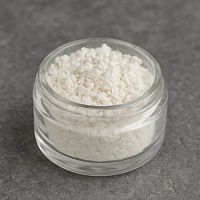
Dry enzyme powders are suitable for retail skin care, travel products and professional treatment concepts. The consumer or practitioner combines the powder with a defined amount of water or activator immediately before use.
Carrier selection is important. Rice starch creates a different paste structure from kaolin, colloidal oatmeal or tapioca starch. A blend of carriers can be designed to improve mixing and application.
If the product concept is based on enzyme exfoliation rather than physical scrubbing, the powder base should not contain unnecessarily coarse particles. Particle feel should be evaluated in the freshly prepared wet product rather than only in the dry blend.
Manufacturing conditions should remain dry. Hygroscopic ingredients and exposure to humid air can affect powder flow and storage behavior. Packaging should limit moisture exposure during repeated consumer use.
Cream masks and emulsion technology
A creamy enzyme mask can provide a different sensory experience from a clear gel. The product contains an emulsion structure with a water phase, lipid phase, emulsifier and supporting rheology materials.
The enzyme does not stabilize the emulsion. The cream base must be technically sound before the enzyme system is introduced.
Light esters and moderate levels of plant oils can be used when the desired product should spread easily and rinse according to the intended use directions. A dense butter-rich system creates a very different application profile and should only be used when it supports the product concept.
Professional spa product development
Professional spa use creates opportunities for controlled two-part systems. A dry enzyme powder can be supplied with a separate activating liquid. The practitioner combines measured quantities immediately before the cosmetic procedure.
The liquid activator can be designed around purified water, a hydrosol and selected compatible humectants. Because the activator is a separate water-based product, it requires its own preservation strategy and stability assessment.
Accurate mixing instructions are important. A professional formula should specify a reproducible powder-to-liquid ratio that creates the intended consistency.
Ingredient pairing and formula restraint
Enzyme products can be combined with aloe, oat-derived ingredients, betaine, glycerin, inulin and selected botanical extracts. The formula should remain focused rather than becoming a collection of unrelated trending ingredients.
Acids require particular attention. If a product is designed as an enzyme and acid combination, the complete pH environment and compatibility with the actual enzyme grade must be evaluated. Adding a strong acid system to an existing enzyme gel without redevelopment can change the formulation environment substantially.
Fragrance is another design decision. Facial products do not require a strong fragrance load. If fragrance is used in a water-based gel, solubilization and compatibility must be addressed as part of the formula.
Packaging as part of the product design
A tube can be practical for a ready-to-use gel because it supports controlled dispensing. An airless package may work for certain rheologies, but pump performance must be tested with the actual formula.
Dry powders can be filled into moisture-resistant containers with controlled dispensing. Single-use sachets are useful for professional treatment protocols and travel formats.
A two-part system requires clear labeling so that the dry product and activator are used in the intended ratio. Packaging design should support the actual procedure rather than only the visual identity of the range.
Oat and aloe enzyme gel mask 1000 g
Purified water 810 ml
Aloe hydrosol 60 ml
Glycerin 35 g
Betaine 25 g
Colloidal oat extract water soluble 15 g
Papain 8 g
Bromelain 5 g
Inulin 12 g
Panthenol 10 g
Hydroxyethylcellulose 6 g
Sodium phytate 2 g
Preservative 8 g
Prepared lactic acid solution 2 g
Sodium PCA 2 g
Total batch weight: 1000 g
Premix hydroxyethylcellulose with glycerin until the polymer particles are evenly wetted. Charge purified water into the main vessel and gradually add the polymer dispersion under controlled agitation. Allow sufficient time for complete hydration.
Add aloe hydrosol, betaine, inulin and Sodium PCA. Continue mixing until the water phase is uniform. Introduce the water-soluble oat extract and panthenol, followed by sodium phytate.
Prepare the enzyme addition separately by blending papain and bromelain into a small portion of the cooled aqueous base. Avoid using heated water for this step. Add the enzyme mixture gradually to the main batch with gentle agitation.
Add the selected preservative according to the processing requirements of that material. Measure the actual pH of the complete product. Use the prepared lactic acid solution only as needed for controlled adjustment and verify the value again after mixing.
Allow the gel to rest so that entrained air can escape and the polymer structure can equilibrate. Before filling, evaluate homogeneity, viscosity, appearance and dispensing performance with the selected package.
Manufacturing control and finished product evaluation
The manufacturing process should document water quality, ingredient addition order, temperature during enzyme incorporation, mixing conditions and final pH. Batch records are particularly important when scaling from laboratory samples to larger production volumes.
The complete finished product should be evaluated for physical stability and preservation suitability according to the type of formula and intended market. A stable appearance immediately after production does not replace a structured evaluation program.
For powder formats, moisture control and blend uniformity are major quality parameters. For gels and cream masks, viscosity, separation, odor development and packaging compatibility also need attention.
An Enzyme Facial Peel can become the center of a complete cosmetic collection that includes a powder treatment, a ready-to-use gel and a professional two-part spa format. The most useful product design comes from matching the enzyme system to the correct base, controlling the manufacturing environment and providing precise instructions for the actual product format.