Enzyme facial peel for gentle exfoliating cosmetic concepts
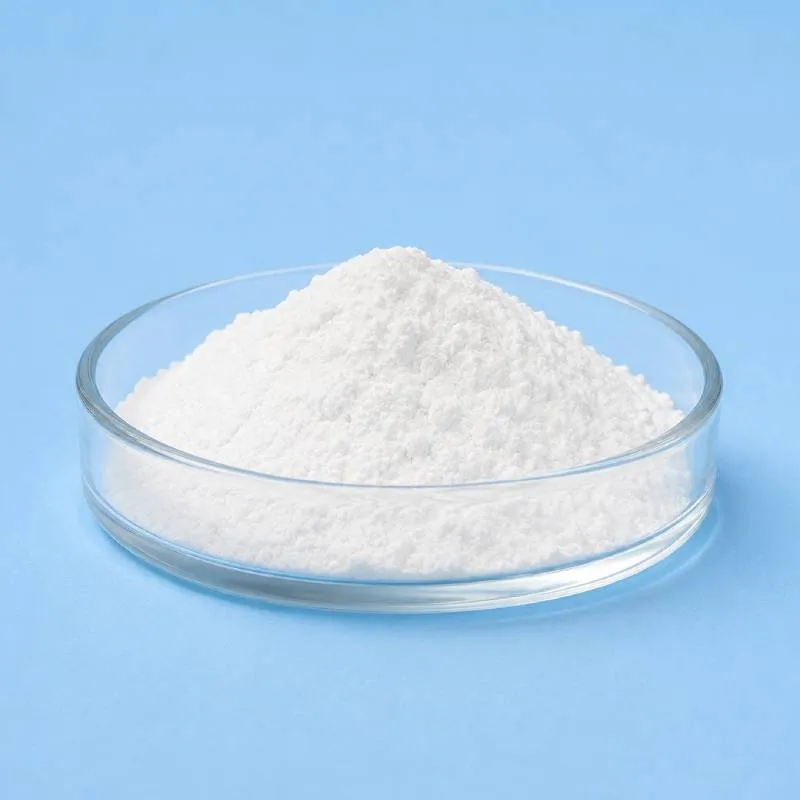
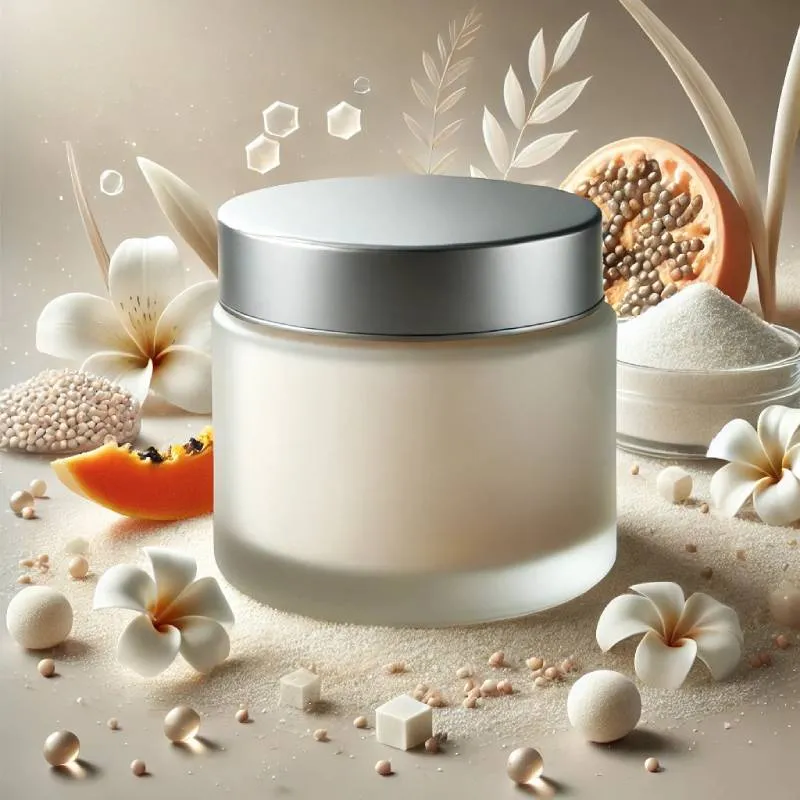
An enzyme facial peel is a cosmetic product designed around enzymatic ingredients such as papain, bromelain or selected enzyme complexes. Unlike abrasive scrub systems, this format focuses on a smooth application method without mechanical particles. It is suitable for facial masks, gel peels, powder to paste treatments, spa products and private label skin care collections.
Formula function
The main functional group in an enzyme peel is the enzyme system. However, the final product is not defined by enzymes alone. Water quality, pH, stabilizers, humectants, texture modifiers, preservation and packaging all influence the quality of the finished formula.
A well designed enzyme peel may include glycerin, betaine, panthenol, allantoin, aloe extract, hydrosols, polysaccharides and mild rheology modifiers. These ingredients help create a comfortable texture and support product aesthetics, while the enzyme system remains the key functional concept.
Product formats
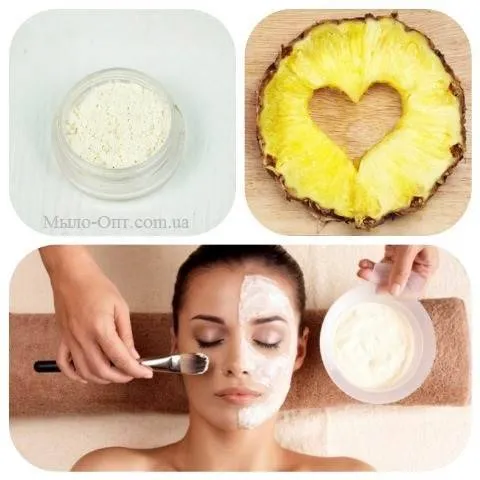
Enzyme facial peels can be produced as ready to use gels, creamy masks or dry powders activated before use. A gel is convenient for retail skin care because it is easy to apply. A cream mask gives a richer texture but needs emulsion stability. A powder format can be attractive for spa and professional use because it is mixed with water or hydrosol immediately before application.
The selected format determines the technology. A ready to use water based product requires a complete preservation system. A dry powder requires moisture control, dry filling conditions and suitable packaging.
Processing principles
Enzymes should not be exposed to unnecessary heat. In water based gels, they are usually added after the gel structure has formed and the batch has cooled. If the product contains polymers, the polymer should be hydrated first to avoid uneven texture.
Final pH must be measured instrumentally after the complete formula is assembled. Enzyme stability depends strongly on the formulation environment, so pH control is not optional.
Creamy enzyme facial mask 1000 g
Purified water 694 ml
Aloe hydrosol 80 ml
Glycerin 40 g
Light emulsifying system 45 g
Caprylic capric triglycerides 35 g
Cetearyl alcohol 20 g
Papain 8 g
Bromelain 7 g
Panthenol 15 g
Betaine 18 g
Allantoin 3 g
Hydroxyethylcellulose 4 g
Preservative 8 g
Fragrance allergen conscious 2 g
Prepared citric acid solution 1 g
Sodium phytate 20 g
Total batch weight: 1000 g
Disperse hydroxyethylcellulose in glycerin. Combine purified water and aloe hydrosol in the main vessel, then add the dispersion under moderate mixing and allow full hydration.
In a separate vessel, combine the light emulsifying system, caprylic capric triglycerides and cetearyl alcohol. Heat only the emulsion phase as required for melting. Combine the phases according to the emulsifier process and mix until uniform.
Begin cooling. Add betaine, panthenol, allantoin and sodium phytate. Pre disperse papain and bromelain in a small portion of the cooled base, then add them to the full batch with gentle mixing.
Add the preservative at the recommended dosage. Measure pH and adjust with prepared citric acid solution only if needed. Add fragrance only after compatibility is confirmed. Allow the mask to rest before filling and check texture, homogeneity, pH and packaging behavior.
Quality control
A finished enzyme peel should be checked for appearance, pH, viscosity, odor, preservation suitability, enzyme stability and packaging compatibility. For powder products, moisture control and flowability are critical. For ready to use gels and creams, microbial control must be designed for the complete formula.
An enzyme facial peel is a strong product concept for brands that want a modern exfoliating format with a smooth sensory profile. The most reliable result comes from a balanced formula, controlled processing and accurate product instructions.