What Makes Glycolic Acid a Go-To Ingredient for Peels and Industrial Descaling
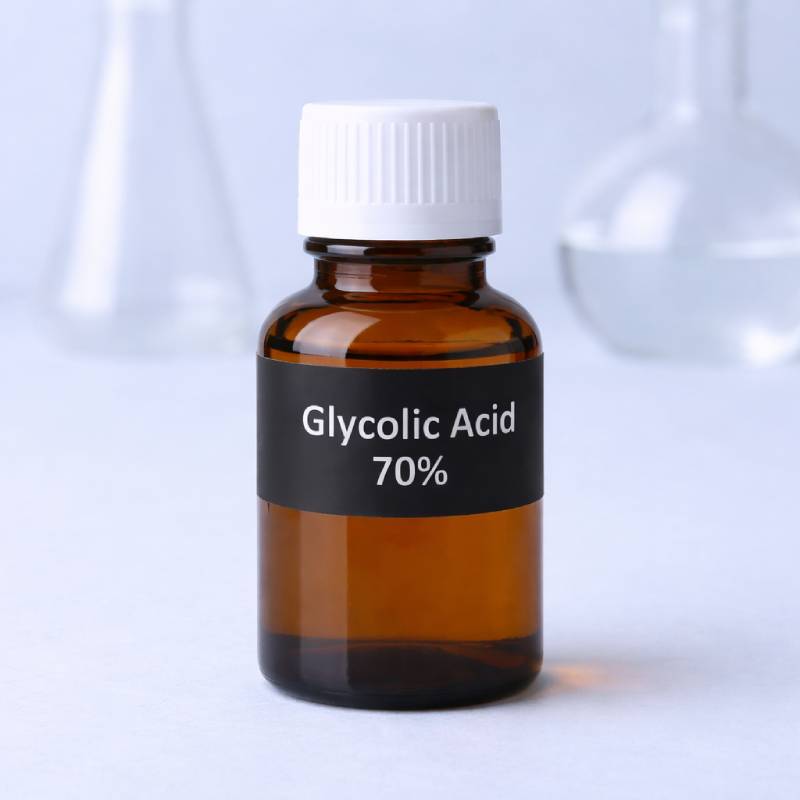
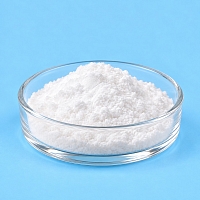
Glycolic acid is the smallest molecule among alpha-hydroxy acids, which allows it to penetrate the upper skin layers easily and makes it one of the most widely used actives in skincare and decorative cosmetics manufacturing. This item belongs to the broader category of Acids, Salts, Alcohols, and Alkalis, where pH-adjusting and reactive components for various formulations are collected. Beyond cosmetics, the compound is used in textile processing for dyeing and etching, in leather treatment, and in industrial cleaning to remove scale and mineral deposits from metal surfaces and pipelines.
The 5 g pack is designed mainly for home formulators and small trial batches. This amount is enough to prepare several test versions of serums, toners or exfoliating gels and to fine-tune the comfortable concentration before ordering a larger quantity for regular production.
In cosmetic formulas, glycolic acid 70% is almost always introduced in diluted form. For everyday leave-on products such as toners and light serums, the active substance in the finished product is typically kept around 2-5 g per 100 g of formula, while more intensive exfoliating gels may go up to 8-10 g per 100 g. Higher concentrations are reserved for professional surface peels with strict timing and neutralization control. The acid works well for smoothing skin texture, fading post-acne marks and pigmentation, refining enlarged pores and supporting epidermal renewal.
For multi-acid blends, glycolic acid pairs nicely with other organic acids. Citric acid offers a milder action with antioxidant benefits, while lactic acid 80% brings hydrating properties and a gentler exfoliation thanks to its larger molecule size. Combining these acids allows formulators to target different skin layers at once and generally reduces the risk of irritation compared to relying on a single concentrated acid.
Glycolic acid should be added at the final stage of formulation, once the base has cooled to 35-40 degrees, under continuous stirring. Adding it too early into a hot mixture can degrade the active compound and reduce the finished product's performance. After incorporation, it is worth checking the overall acidity of the batch and adjusting it if necessary. In some technical processes, alkaline compounds such as borax (sodium tetraborate) are used to partially neutralize excess acidity and stabilize the final system.
On the industrial side, glycolic acid is commonly used to clean metal surfaces from scale and oxide films, in electroplating preparation steps, and as a component of cleaning solutions for removing mineral buildup from pipelines and heat exchange equipment. This is possible because the acid dissolves carbonate and limescale deposits effectively without being overly aggressive toward most metals when dosed correctly.
Store the concentrate in a tightly sealed original container, in a dry, cool place away from direct sunlight and heat sources. Avoid contact with metal lids or tools prone to corrosion, and keep the substance out of reach of children.
Mini exfoliating spot gel
Glycolic acid 70% - 2 g
Distilled water - 20 g
Glycerin - 2 g
Niacinamide powder - 1 g
Aloe gel - 5 g
Warm the water, glycerin and aloe gel mixture to about 35 degrees, then let it cool to room temperature. Add the glycolic acid gradually while stirring continuously until fully dissolved, then blend in the niacinamide powder. Pour the finished gel into a small dark glass jar, let it rest for 24 hours before first use, and apply a thin layer to targeted areas for 5-8 minutes before rinsing off.