Choosing a Soft Purple Shade for Small-Batch Formulations
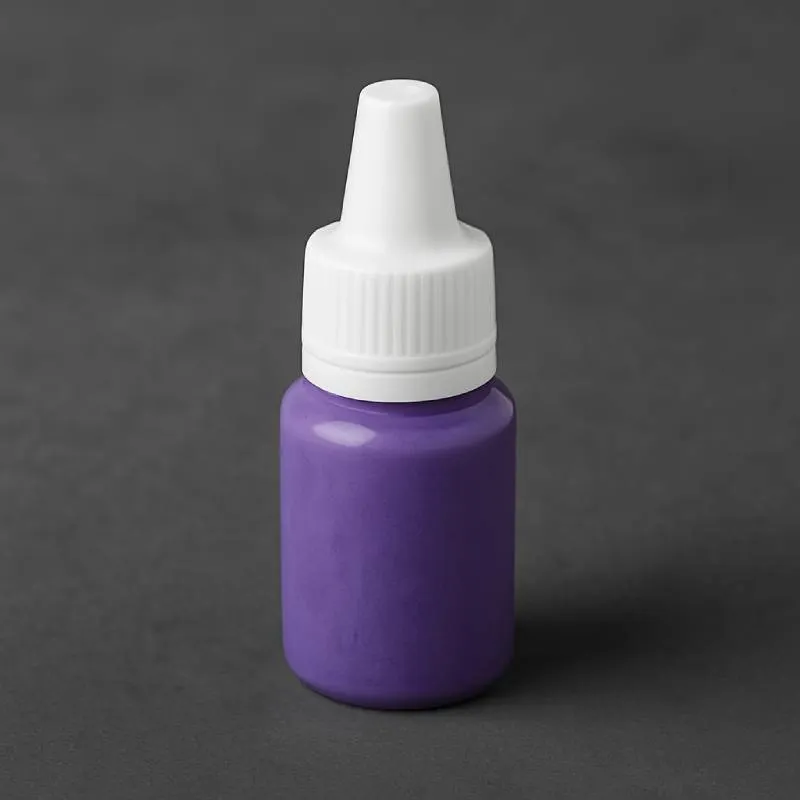
Pigment dye Lilac in a 10 ml bottle is designed for makers working with small production volumes who need a stable, predictable shade. This size is ideal for home-based cosmetic making, testing new formulas, and trial batches before scaling up to larger production runs. This pigment belongs to the Pigments Liquid category, which brings together formulations known for strong color retention and minimal migration in finished products.
The main application of this pigment lies in decorative and skincare cosmetics production: creams, balms, gels, scrubs, bath bombs, as well as candle products and items made from polymer clay or gypsum. Its liquid form allows direct incorporation without pre-dilution, which is convenient for beginners and experienced makers alike. The lilac shade is frequently chosen for spring and summer collections, floral-themed lines, and neutral pastel ranges where a soft, non-contrasting tone is preferred.
This pigment blends well with other liquid dyes from the same range, allowing makers to create intermediate shades and expand their palette without purchasing additional base colors. For instance, adding a small amount of Liquid pigment Blue shifts the lilac tone toward a cooler lavender hue, while combining it with Yellow Liquid Pigment produces muted rose-beige tones suitable for warm palettes. For deeper, muted lilac shades often used in autumn collections, a drop of Chocolate liquid Pigment can be introduced.
It is recommended to add the dye at the final stage of preparation, once the main mass has cooled to no more than 40-50 degrees, to prevent color breakdown from overheating and ensure an even distribution of the shade. A typical dosage ranges from a few drops up to 1-2 ml per 100 grams of base, with the exact amount determined through testing depending on the desired intensity and transparency of the final product. Running a small test batch before the main production run helps calculate the precise concentration needed for a given formula.
The pigment should be stored in a tightly sealed bottle, in a cool, dark place away from direct sunlight and heat sources, which helps maintain color stability over an extended period. Once opened, it is best used within the timeframe specified by the manufacturer, avoiding moisture or foreign particles entering the container.
Lilac Whipped Body Butter
Shea butter 60 g
Sweet almond oil 40 ml
Emulsifying wax 15 g
Pigment dye Lilac 2 ml
Fragrance oil 4 ml
Melt the shea butter and emulsifying wax together over low heat until fully combined, then remove from heat and stir in the almond oil. Once the mixture cools to around 45 degrees, add the pigment gradually while whisking until a smooth even lilac tone appears, then blend in the fragrance oil and whip the mass until light and fluffy before transferring it into jars.
Frequently asked questions
What dosage works for Lilac pigment in trial batches?
Begin at 0.3 percent and add drop by drop until the desired shade appears in a test batch. The maximum input rate is 5 percent. The 10 ml bottle fits recipe testing and home production.
How should the 10 ml Lilac pigment be stored?
Keep the bottle in a cool dark place in a tightly closed container until December 2041. Proper storage maintains color stability over the full period.
Which products can Lilac pigment color from a 10 ml pack?
It works in creams, balms, gels, scrubs, bath bombs, candle items, polymer clay and gypsum. The liquid form requires no pre-dilution and suits small volumes.
Is a certificate available for this Lilac pigment batch?
A certificate of analysis is provided on request to verify batch characteristics for production use.